
Lou Gehrig: life, career, and legacy of the Iron Horse
Overview of Lou Gehrig—New York Yankees first baseman famed for durability, batting excellence, his farewell speech, diagnosis with ALS, and lasting impact on baseball and public awareness.
Henry Louis "Lou" Gehrig (born Heinrich Ludwig Gehrig; June 19, 1903 – June 2, 1941) was an American baseball star best known for his long service with the New York Yankees and for a consecutive-games streak that earned him the nickname "the Iron Horse." A left-handed first baseman and powerful hitter, Gehrig became a central figure on Yankees teams that dominated Major League play during the 1920s and 1930s.
Image gallery
10 Images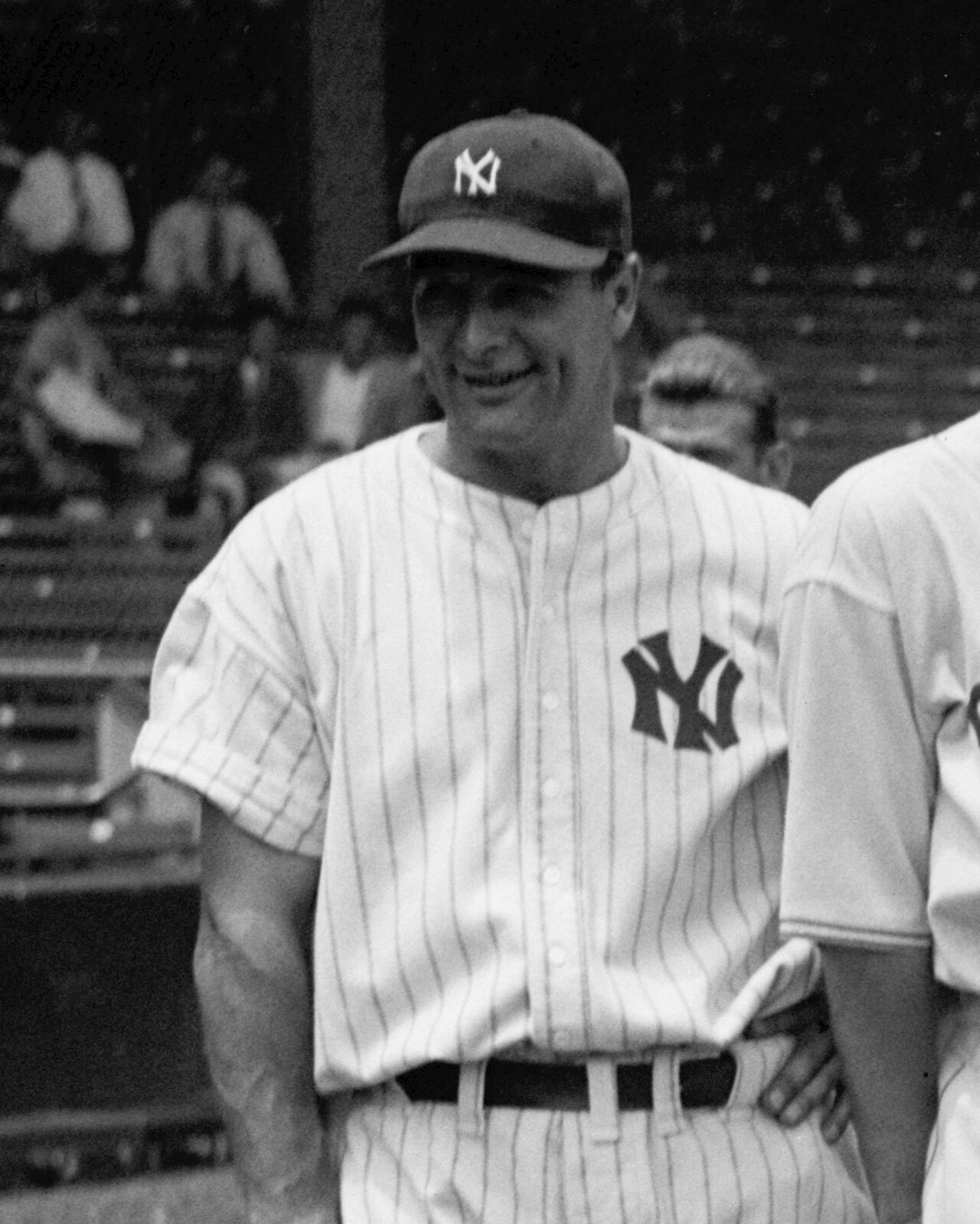



Career and playing style
Gehrig made his major-league debut in the 1920s and was a mainstay at first base through the end of the 1930s. He combined contact hitting, above-average power, and run-producing ability to anchor the middle of New York's lineup. Often paired with contemporaries such as Babe Ruth, he provided steady production and was valued as much for his consistency as for his raw numbers. Teammates and opponents alike praised his work ethic, routine preparation, and clutch hitting.
Durability and the consecutive-games record
Gehrig's consecutive-games streak reached 2,130 games, a mark that stood as the major league record for more than half a century. His streak exemplified his reputation for physical resilience and dependability; fans and sportswriters used the "Iron Horse" sobriquet to capture that image. The record was eventually surpassed in the 1990s, but Gehrig's streak remains a defining element of his career and of baseball lore.
Illness, farewell, and public response
In 1939 Gehrig's performance declined and medical evaluation revealed he was suffering from amyotrophic lateral sclerosis, now commonly known in the United States as Lou Gehrig's disease. On July 4, 1939, the Yankees held a widely attended ceremony at Yankee Stadium to honor him. In a brief, memorable address he called himself "the luckiest man on the face of the earth," sentiments that resonated well beyond the ballpark and helped focus public attention on the disease. The diagnosis ended his playing career and led to a premature death in New York City less than two years later.
Achievements and legacy
Gehrig was elected to the National Baseball Hall of Fame soon after his retirement, a recognition of both statistical accomplishment and symbolic stature. His name is associated with efforts to study and treat ALS, and his farewell speech and example of courage have been commemorated in books, films, and ceremonies. The endurance he displayed on the field and the grace with which he faced illness continue to shape his public memory.
Notable facts
- Longtime Yankee teammate and batting partner to icons such as Babe Ruth.
- Stood out for consecutive-game durability—2,130 games consecutively played.
- Diagnosed with amyotrophic lateral sclerosis; the condition became commonly known by his name.
- Honored by fans, teammates, and civic leaders in the wake of his retirement and throughout his posthumous reputation; public figures in New York City and beyond acknowledged his contribution.
- Associated with the New York Yankees' golden era; a fixture of the club from the early 1920s until 1939.
For further reading about the sport and the era in which Gehrig played, see general resources on baseball and the history of the New York Yankees. Biographical and medical discussions often reference his status as one of the most admired athletes of his generation and as a catalyst for increased awareness of ALS in the decades following his death.
Related articles
Author
AlegsaOnline.com Lou Gehrig: life, career, and legacy of the Iron Horse Leandro Alegsa
URL: https://en.alegsaonline.com/art/125428