
Lou Pearlman: Pop Music Entrepreneur and Convicted Fraudster
Music manager and producer behind major 1990s boy bands, later exposed for a large financial fraud; convicted in 2008 and died in federal custody in 2016.
Louis "Lou" Pearlman was an American music manager and entrepreneur who built and promoted some of the most successful pop groups of the 1990s and early 2000s, and later became infamous for orchestrating a long-running financial fraud. As a record producer and music executive, he helped launch careers that reached international audiences, but his legacy is overshadowed by criminal convictions as a fraudster.
Image gallery
1 Image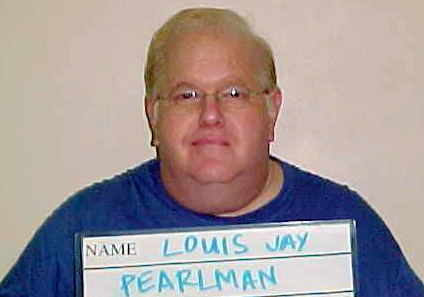
Early life and base of operations
Pearlman was born in Flushing, in the borough of Queens, New York City. He later relocated to central Florida, where he became a prominent figure in the Orlando music scene and established his businesses and talent-development operations, maintaining ties to Orlando and the state of Florida.
Career in music
Pearlman organized and managed several high-profile pop acts, most notably boy bands that achieved global commercial success. He is widely credited with creating or managing major groups that dominated radio and charts in the 1990s and 2000s. His business model combined artist development, aggressive marketing, and tightly controlled management contracts. These groups brought substantial attention and revenue to his companies and elevated his profile in the industry.
Business practices and legal downfall
Alongside his music enterprises, Pearlman ran a complex set of companies and investment schemes. Over time federal and state authorities uncovered a scheme in which he solicited investments and diverted funds in ways that constituted a large-scale fraud. He was indicted and, in 2008, convicted on multiple charges related to fraud and money laundering. The case revealed that investors and business partners had been misled over many years.
Conviction, imprisonment and death
Following his 2008 conviction, Pearlman was sentenced to a lengthy prison term. He served his sentence in federal custody and died while incarcerated in 2016; reports attributed his death to a medical emergency, noting a stroke in a federal prison facility in Texarkana, Texas. His criminal case remains a frequent reference point in discussions about investor protections and the risks of celebrity-led enterprises.
Legacy and notable facts
- Pearlman played a central role in the 1990s resurgence of manufactured pop groups and the international boy-band phenomenon.
- His conviction highlighted the vulnerabilities of both investors and artists who signed contracts without fully understanding the business structures behind management firms.
- The juxtaposition of commercial success in entertainment and later criminal judgment makes his career a subject of study in music business ethics and legal discussions.
Pearlman's story is often cited as a cautionary tale about the combination of charismatic promotion, fast commercial success, and inadequate oversight. Readers interested in detailed legal documents, artist perspectives, and timelines can consult archival reporting and court records for primary sources.
Questions and answers
Q: When was Louis Jay Pearlman born?
A: Louis Jay Pearlman was born on June 19, 1954.
Q: Where was he born?
A: He was born in Flushing, Queens, New York City.
Q: Where did he live before his conviction?
A: Before his conviction, he used to live in Orlando, Florida.
Q: What happened to him in 2008?
A: In 2008, Pearlman was convicted and sentenced to up to 25 years in prison.
Q: Where did he die?
A: He died of a stroke in prison in Texarkana, Texas.
Q: What caused his death? A: He died of a stroke.
Related articles
Author
AlegsaOnline.com Lou Pearlman: Pop Music Entrepreneur and Convicted Fraudster Leandro Alegsa
URL: https://en.alegsaonline.com/art/125432