
Louis de Funès: French comic actor and film star (1914–1983)
Profile of Louis de Funès, his comic style, career highlights, major films and collaborators, cultural impact in France, and circumstances of his death in 1983.
Overview
Louis de Funès (born Louis Germain David de Funès de Galarza; 31 July 1914 – 27 January 1983) was one of France's most beloved comic actors. With a distinctive facial expressiveness, rapid-fire gestures and precise timing, he became a central figure of French cinema from the 1950s through the 1970s. He appeared in more than 200 films and brought a unique physical energy to both supporting and leading roles.
Image gallery
8 Images
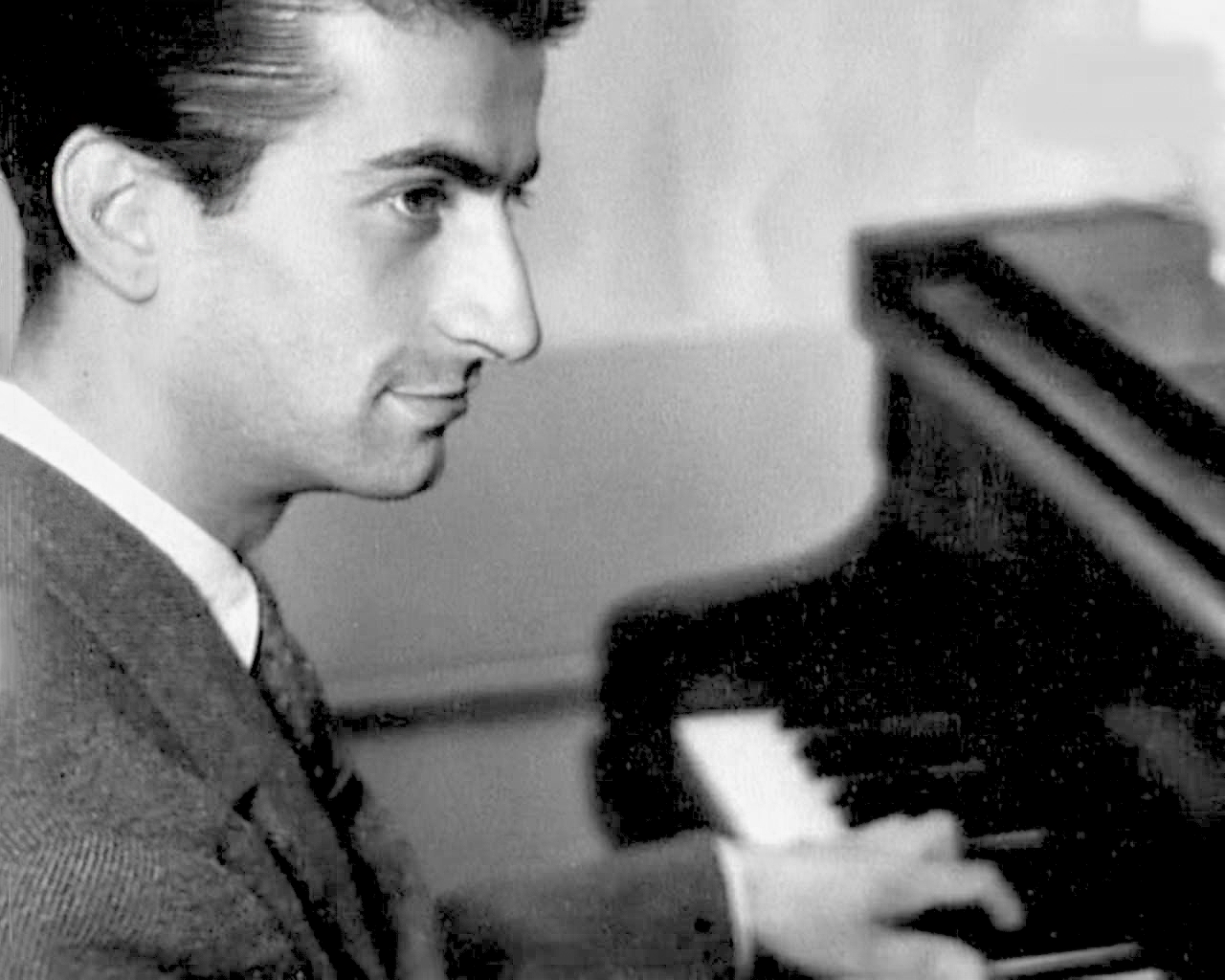


Career and style
De Funès developed his craft in theatre and small film parts after World War II, gradually moving to larger roles. He is widely remembered for his frenetic, hyper-expressive performances: abrupt brows, shuddering mannerisms, explosive verbal bursts and a meticulous sense of comic rhythm. Directors and audiences praised his ability to turn bureaucratic indignation, petty vanity or domestic exasperation into sustained humor without descending into caricature.
Major films and collaborators
His popularity rose dramatically in the 1960s. Key films include:
- La Grande Vadrouille (1966) — a wartime comedy that became one of France's most successful box-office hits;
- Le Corniaud (1965) and collaborations with director Gérard Oury;
- Le Gendarme series — a long-running set of comedies about an overzealous small-town policeman;
- Les Aventures de Rabbi Jacob and La Folie des grandeurs — among other popular features.
He often shared the screen with prominent French comic actors such as Bourvil and had parallels with performers like Fernandel, while working with leading directors of his era.
Legacy and importance
De Funès helped define postwar French popular comedy. His images and catchphrases remain widely recognized in francophone culture, and his films continue to be broadcast and celebrated in retrospectives. Critics note his technical control, timing and expressive face as a major contribution to film comedy, distinct from the verbal or situational humor of other traditions.
Life events and death
Born to a family with Iberian roots, he rose from modest theatrical beginnings to national stardom. Late in life he reduced his workload for health reasons. Louis de Funès died on 27 January 1983 in Nantes, France, after suffering a serious cerebrovascular event; contemporary accounts describe the cause as a stroke (cerebrovascular accident). He was 68. His death prompted a widespread public outpouring of grief and reaffirmed his place in French popular memory.
Notable facts
- He appeared in over 200 films across nearly four decades.
- Although mainly known as an actor, his influence extended into television and stage revivals of his film characters.
- Retrospectives and commemorations continue to examine his technique and cultural role.
Together, these elements portray Louis de Funès as a figure who transformed physical precision and expressive intensity into enduring, broadly appealing comic art.
Related articles
Author
AlegsaOnline.com Louis de Funès: French comic actor and film star (1914–1983) Leandro Alegsa
URL: https://en.alegsaonline.com/art/125373