
Louise of Orléans (1812–1850), queen consort of the Belgians
Princess Louise of Orléans (1812–1850), eldest daughter of King Louis Philippe I, became the second wife of King Leopold I of Belgium and mother of Leopold II; remembered for dynastic ties and her children's roles.
Overview
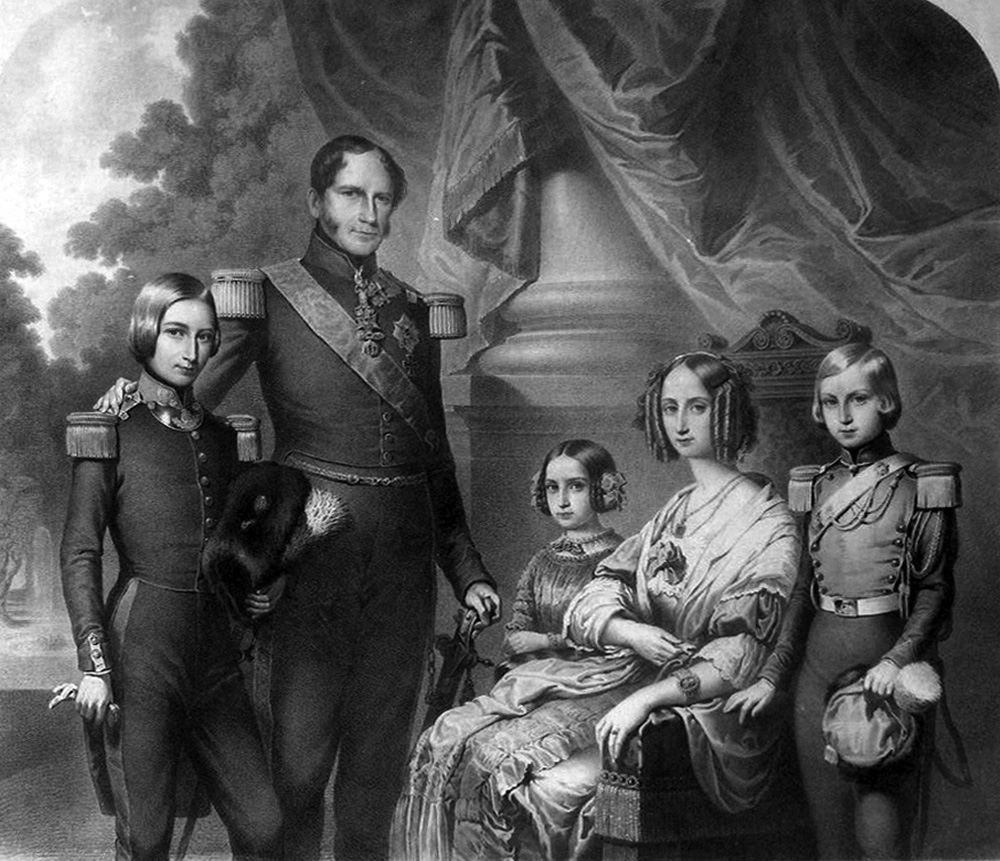
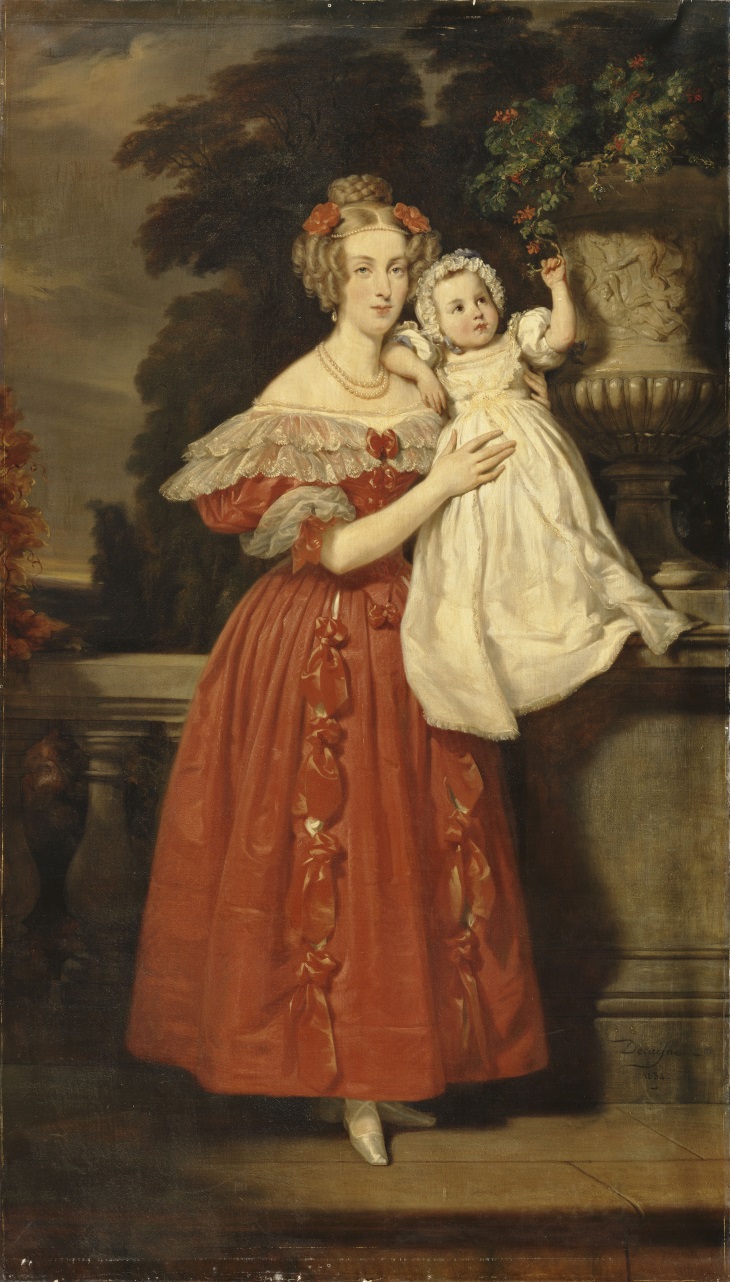
Louise Marie Thérèse Charlotte Isabelle of Orléans (3 April 1812 – 11 October 1850) was a French princess who became queen consort of the Belgians when she married King Leopold I in August 1832. Born into the House of Orléans, she was the eldest daughter of King Louis Philippe I of the French and a member of a family that played a central role in post-revolutionary French politics.
Image gallery
6 Images


Family background and early life
Louise grew up amid the shifting alliances of European royal houses. Her paternal family had risen to the French throne after the July Revolution of 1830. On her mother’s side she was connected to the imperial Habsburg circle and to earlier pre-revolutionary courts; contemporaries often noted the family's links to figures such as Marie Antoinette, reflecting the interwoven relationships among Europe's dynasties.
Marriage and children
Her marriage to Leopold I, already King of the Belgians, reinforced political and social links between France and the young Belgian kingdom. As Leopold’s second wife she bore several children who later played important public roles. Notable among them were:
- Leopold II — who succeeded as King of the Belgians and whose rule became associated with the brutal exploitation of the Congo Free State (Leopold II and Belgian Congo).
- Princess Charlotte — who became Empress Carlota of Mexico during the 1860s.
Role and public life
As queen consort Louise performed the ceremonial and dynastic duties expected of a nineteenth-century royal: public appearances, patronage, and the upbringing of heirs. Her marriage strengthened Leopold’s legitimacy in a Europe sensitive to revolutionary change and dynastic claims. Through her children and connections, she linked the Belgian court to several other ruling houses, including that of Queen Victoria and her relatives.
Death and historical perspective
Louise died in 1850 at the age of 38. Historians note her chiefly for the dynastic role she played rather than for a dominant political career of her own. Her legacy is frequently discussed in relation to her offspring and to the wider nineteenth-century patterns of monarchy, colonial expansion and international marriage alliances that shaped European affairs.
Questions and answers
Q: Who was Princess Louise of Orléans?
A: Princess Louise of Orléans was the eldest daughter of King Louis Philippe I of the French.
Q: When was Princess Louise of Orléans born?
A: Princess Louise of Orléans was born on April 3rd, 1812.
Q: Who was Princess Louise of Orléans' husband?
A: Princess Louise of Orléans' husband was Leopold I of Belgium, the first King of the Belgians.
Q: Who was Queen Victoria?
A: Queen Victoria was the Queen of the United Kingdom from 1837 to 1901.
Q: Who was Prince Albert?
A: Prince Albert was the husband of Queen Victoria.
Q: Who was King Leopold II of Belgium?
A: King Leopold II of Belgium was the son of Princess Louise of Orléans and Leopold I of Belgium, and he is known to history for his exploitation of the Belgian Congo.
Q: Who was Marie Antoinette?
A: Marie Antoinette was the Queen of France during the late 18th century, and she was also the niece of Princess Louise of Orléans' mother.
Related articles
Author
AlegsaOnline.com Louise of Orléans (1812–1850), queen consort of the Belgians Leandro Alegsa
URL: https://en.alegsaonline.com/art/125361