
Unused and Defunct New York City Subway Services
Overview of retired, avoided, or reserved NYC Subway route letters and numbers, why certain designations fell out of use, notable examples, and how service labeling has changed over time.
The New York City Subway system has evolved for more than a century, and its route labels have changed with consolidations, line closures and operational reorganizations. The Metropolitan Transportation Authority MTA and the transit network commonly called the New York City Subway subway use a set of letters and numbers for active services, but some identifiers are no longer used, were retired, or are simply avoided.
Image gallery
10 Images


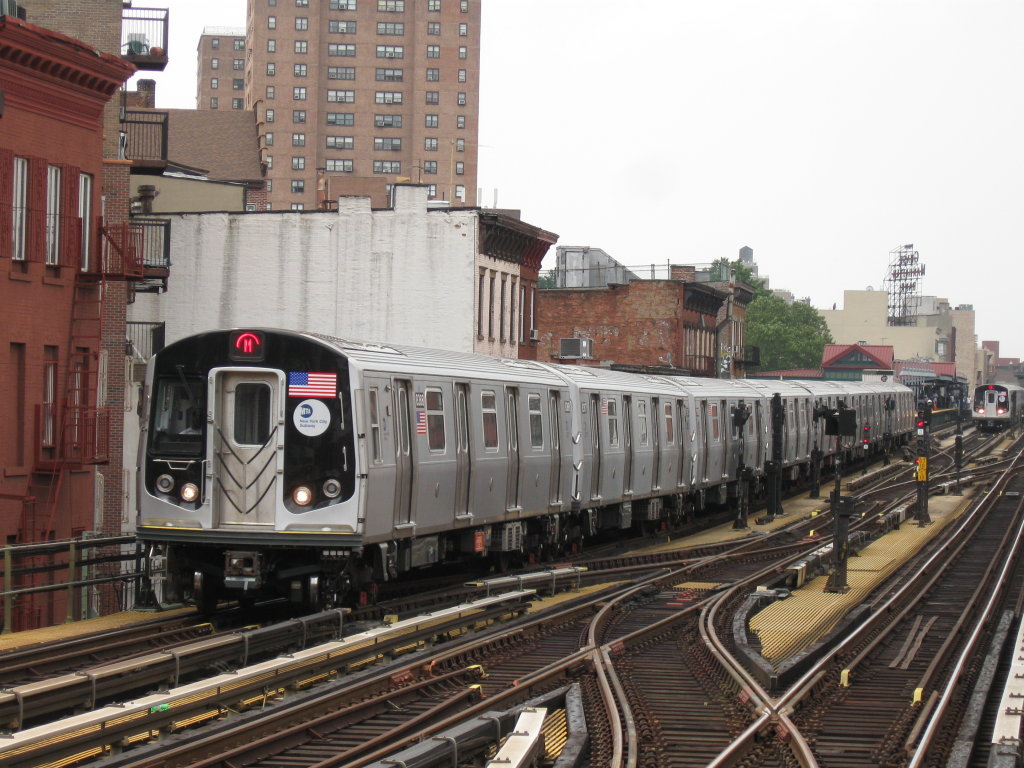

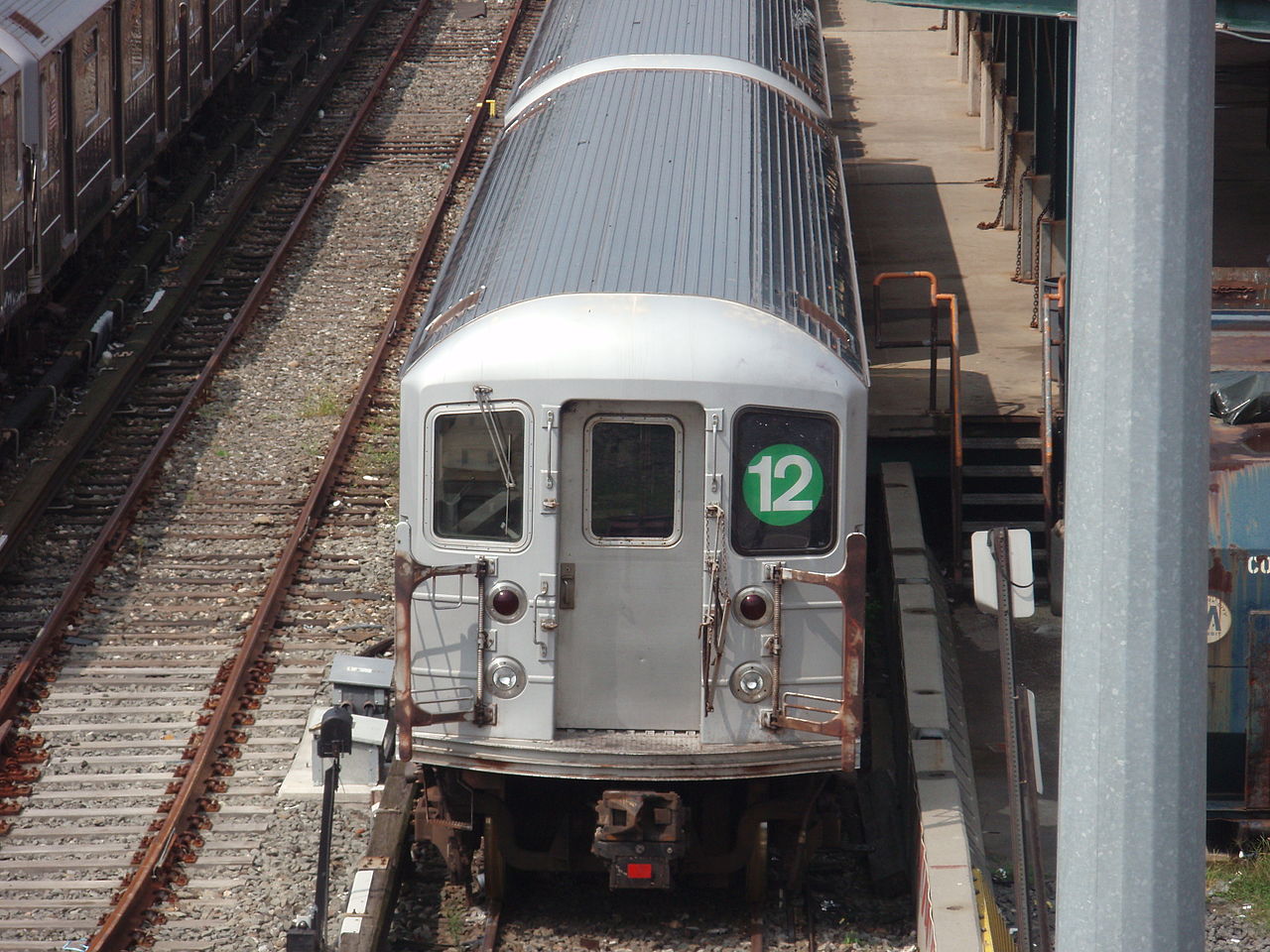


Why labels are retired or avoided
Route designations stop being used for several practical reasons: the physical line or branch may be demolished (especially many elevated lines), two services can be merged, operational patterns (express vs. local) change, or a label causes potential rider confusion. In some cases the authority intentionally avoids certain characters—most notably the letters I and O—because they resemble the numerals 1 and 0.
Notable examples
- 8 — Historically assigned to the IRT Third Avenue Elevated route; the designation ceased when that elevated service in the Bronx was taken out of service in the mid-20th century.
- 9 — Used as a skip-stop companion to the 1 train for many years; the 9 was discontinued in 2005 after the skip-stop pattern ended and ridership patterns changed.
- Double letters — The system once used double-letter names to distinguish local from express variants on some lines; that convention was phased out and single letters are now standard.
Categories of unused designations
- Retired numbers/letters tied to demolished elevated lines or closed branches.
- Labels removed when services were merged or simplified.
- Characters avoided to prevent confusion (for example I and O).
- Reserved symbols for future planned services, such as a letter planned for a new line.
These changes reflect operational needs and rider clarity more than historical trivia. When new lines or major reconfigurations occur, the MTA may reuse or reserve letters and numbers, while many older designations remain as part of the subway's layered history of growth, consolidation and modernization.
Related articles
Author
AlegsaOnline.com Unused and Defunct New York City Subway Services Leandro Alegsa
URL: https://en.alegsaonline.com/art/125215