
List of railway stations in Melbourne
Overview of Melbourne's suburban railway stations: network layout, station categories, ticketing zones, heritage lines, history and practical notes for travellers.
Overview
Melbourne, Melbourne in Australia, is served by an extensive suburban network that currently comprises about 200 operating suburban railway stations (around 216 if outer metropolitan stops are included). These stations are arranged along 16 principal railway lines radiating from the centre and are linked by the central underground City Loop. A small number of additional lines beyond the suburban footprint are sometimes considered part of the greater metropolitan system.
Image gallery
6 Images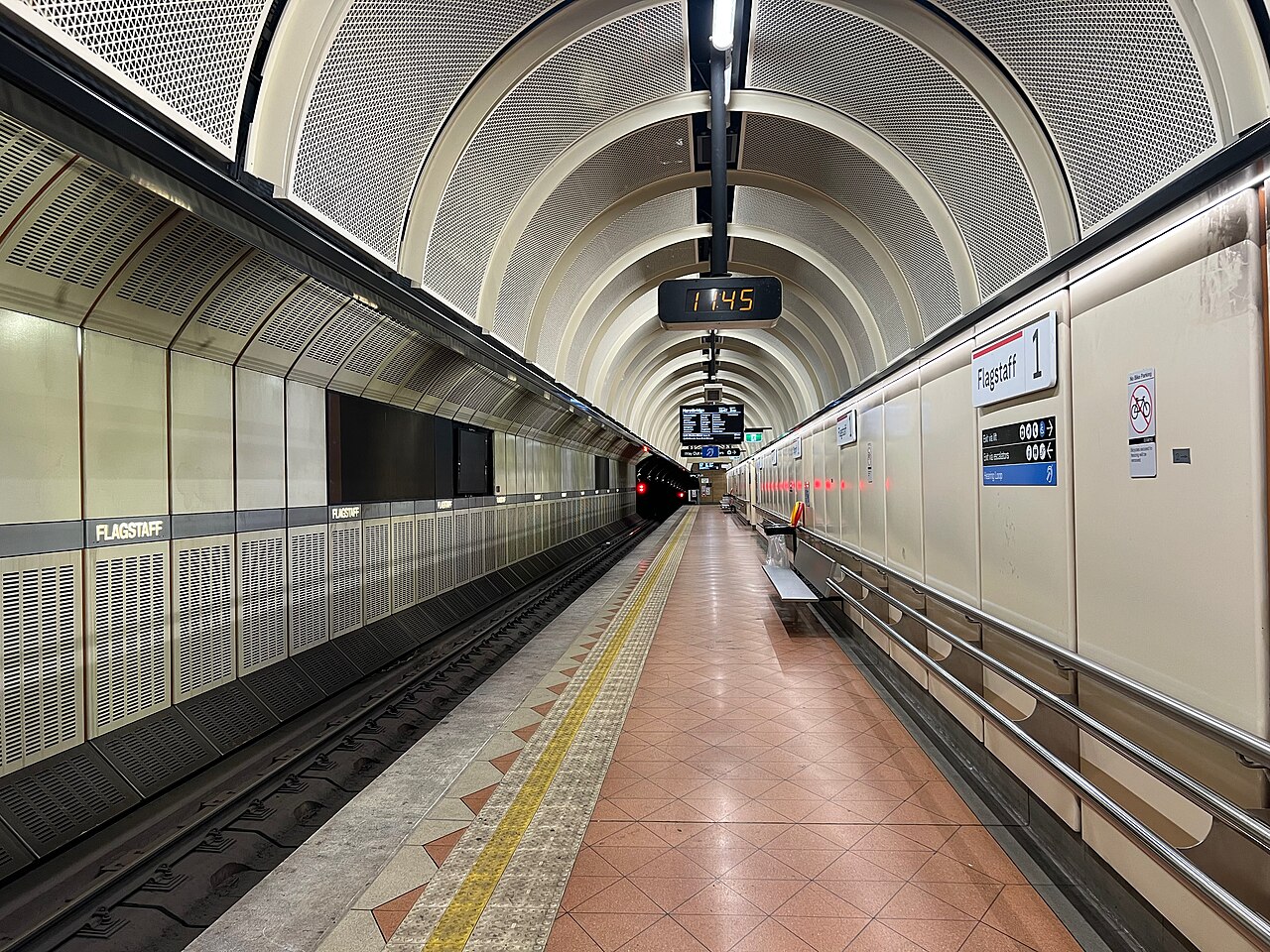

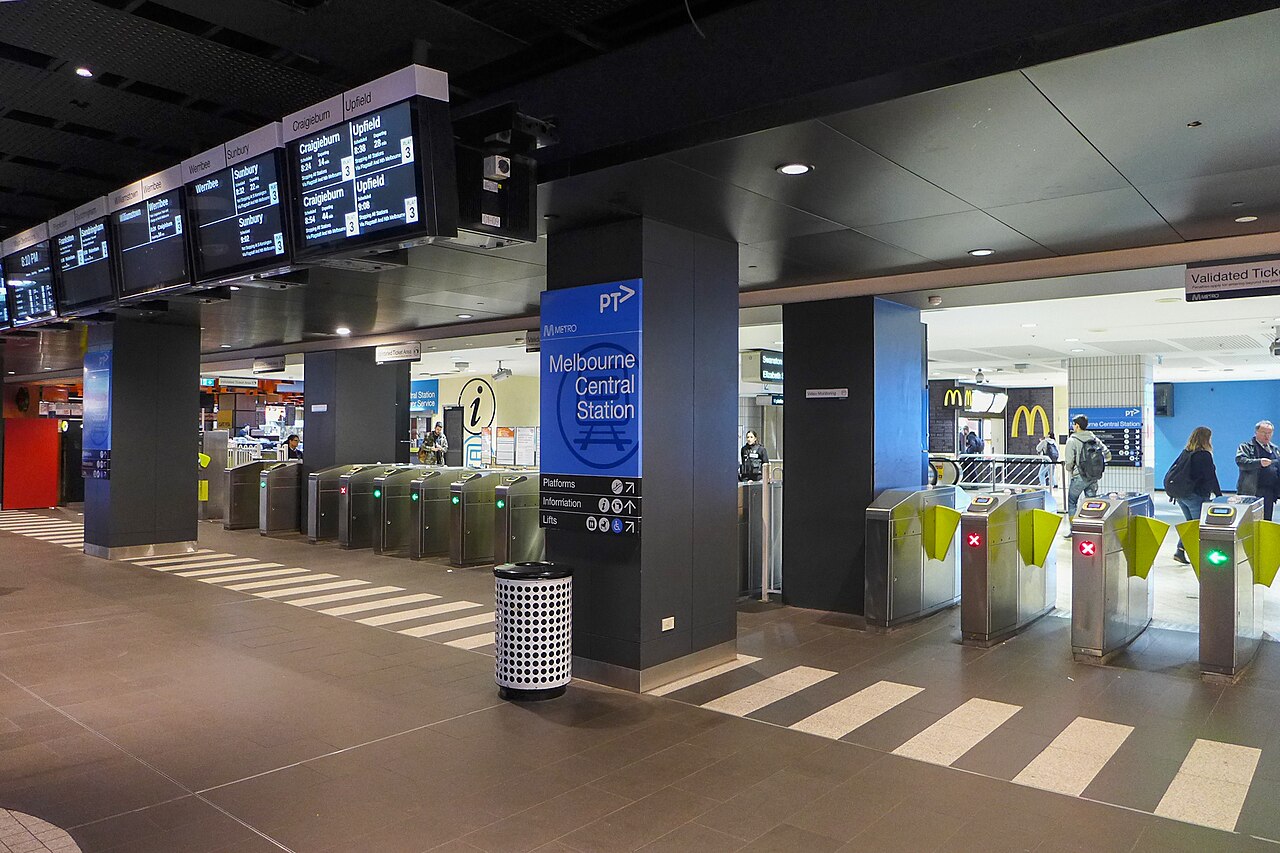


Network structure and operations
The network is largely radial, with most lines running from the central business district to suburban termini. Trains may operate the full length of a line, terminate at intermediate endpoints or run as short shuttle services between selected stations. The network is predominantly electrified and operated to broad-gauge standards. Central routing through the City Loop provides multiple city stations for arrival and departure, while outer sections of some lines serve lower-density suburbs and industrial areas.
Station classifications
Stations in the suburban network are commonly described by a few operational categories:
- Terminus stations: end-of-line stops where many services reverse or terminate.
- Premium stations: staffed from first to last train and offering more passenger assistance and facilities; see premium stations for the classification definition.
- Host stations: staffed during morning and/or evening peak hours to manage higher commuter flows.
- Station codes: three-letter abbreviations used by control and timetable systems; these 3-letter codes appear in many journey-planning tools.
Ticketing and zoning
Public transport fares are managed with a smartcard system called Myki. The suburban rail network is divided into two main fare areas: Zone 1 and Zone 2; a small central area is designated the City Saver for short inner-city trips. A former Zone 3 was merged into Zone 2 on March 4, 2007, simplifying fares for many outer suburbs. Some stations sit on the boundary and accept tickets for either zone.
Heritage and tourist lines
Separately from the suburban network, there are volunteer-operated and tourist railway lines that serve heritage stations. About 19 stations on three such railways remain active for tourist and heritage services but are not integrated into the regular suburban timetable; these are described under tourist railways.
History, importance and practical notes
The suburban rail system has evolved over more than a century, reflecting Melbourne's growth, electrification projects and periods of network consolidation and expansion. The rail system is a primary mode of transport for daily commuters and for connecting suburban centres to the city. Staffed stations provide assistance to commuters, while timetables and station codes help passengers plan journeys and receive service alerts. For authoritative, up-to-date travel information consult the official network or operator pages linked from the main suburban network portal at suburban network resources.
Useful references
- Network maps and line lists for all 16 principal routes (see railway lines).
- Fares, zones and smartcard policies on the Myki pages.
- Definitions of premium stations and staffing levels, and peak staffing rules (peak hours).
- Historic and heritage service information via regional tourist rail pages (tourist railways).
When using station lists it is common to see formatting conventions such as bold or italic markers to denote termini and staffing levels; these help interpret timetables, shuttle services and long-distance connections. For the most reliable day-to-day guidance check the operator's timetable and station pages referenced above.
Questions and answers
Q: What is the total number of suburban railway stations in Melbourne, Australia?
A: There are currently 200 operating suburban railway stations (216 including greater metropolitan stations) in Melbourne, Australia.
Q: How many railway lines go out from the city?
A: There are 16 railway lines going out from the city (and 4 greater metropolitan lines).
Q: Are there any volunteer-operated tourist railways included in this list?
A: No, these are not a part of the suburban network. There are 19 stations on 3 old, volunteer-operated, tourist railways that are not included in this list.
Q: How many Myki ticketing zones exist for these stations?
A: There are 2 Myki ticketing zones (some stations are included in both zones), as well as the City Saver area within Zone 1 which covers the central business district. On March 4, 2007 zone 3 was made part of zone 2.
Q: What do terminus and premium station mean?
A: Stations listed in bold are "terminus" stations where trains sometimes stop and change direction. Stations listed in italics are "premium" stations that are manned first to last train by staff who provide extra help and information to commuters.
Q: What is a host station?
A: Host stations (marked with a star (*))are manned during peak hours only - some only during morning peak while others may be staffed during both morning and evening peaks.
Q: Is there an easy way to look up travel information for these suburban railway stations?
A: Yes, you can use the three letter codes listed after each station when looking up Connex SMS Timetable or visit Metlink website for detailed travel information.
Related articles
Author
AlegsaOnline.com List of railway stations in Melbourne Leandro Alegsa
URL: https://en.alegsaonline.com/art/124827
Sources
- metlinkmelbourne.com.au : "Public transport now has just two zones"