
List of United States Cabinets
Overview and guide to lists of U.S. presidential cabinets: composition, history, how lists are organized, and notable distinctions about members and cabinet-level positions.
Overview
The phrase "United States Cabinet" commonly refers to the principal advisors to the President of the United States, typically the heads of the federal executive departments and certain additional officials designated by the president. Catalogs or "lists of United States Cabinets" compile who served in these roles under each president and are useful for historical reference, research, and public record.
Image gallery
10 Images


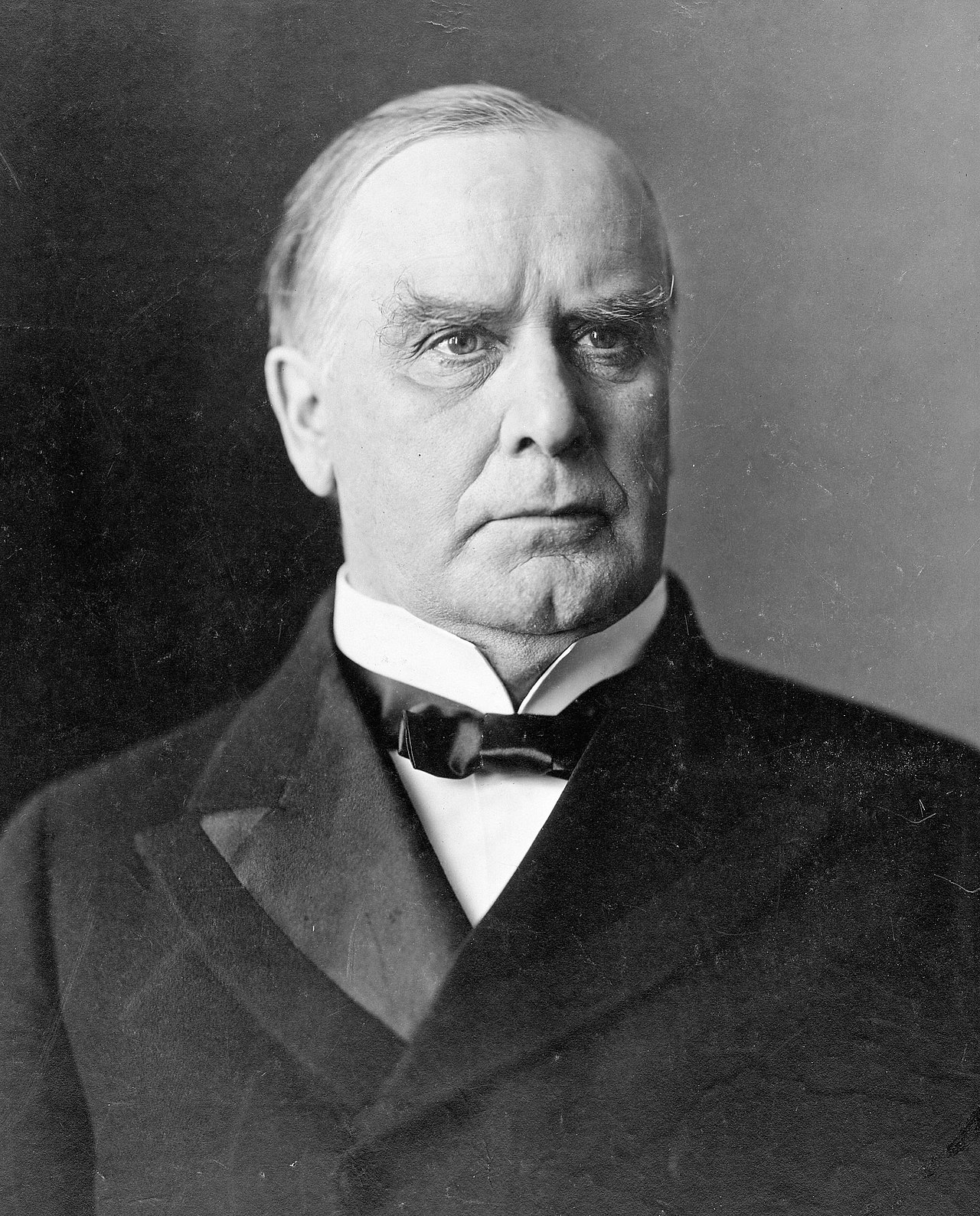


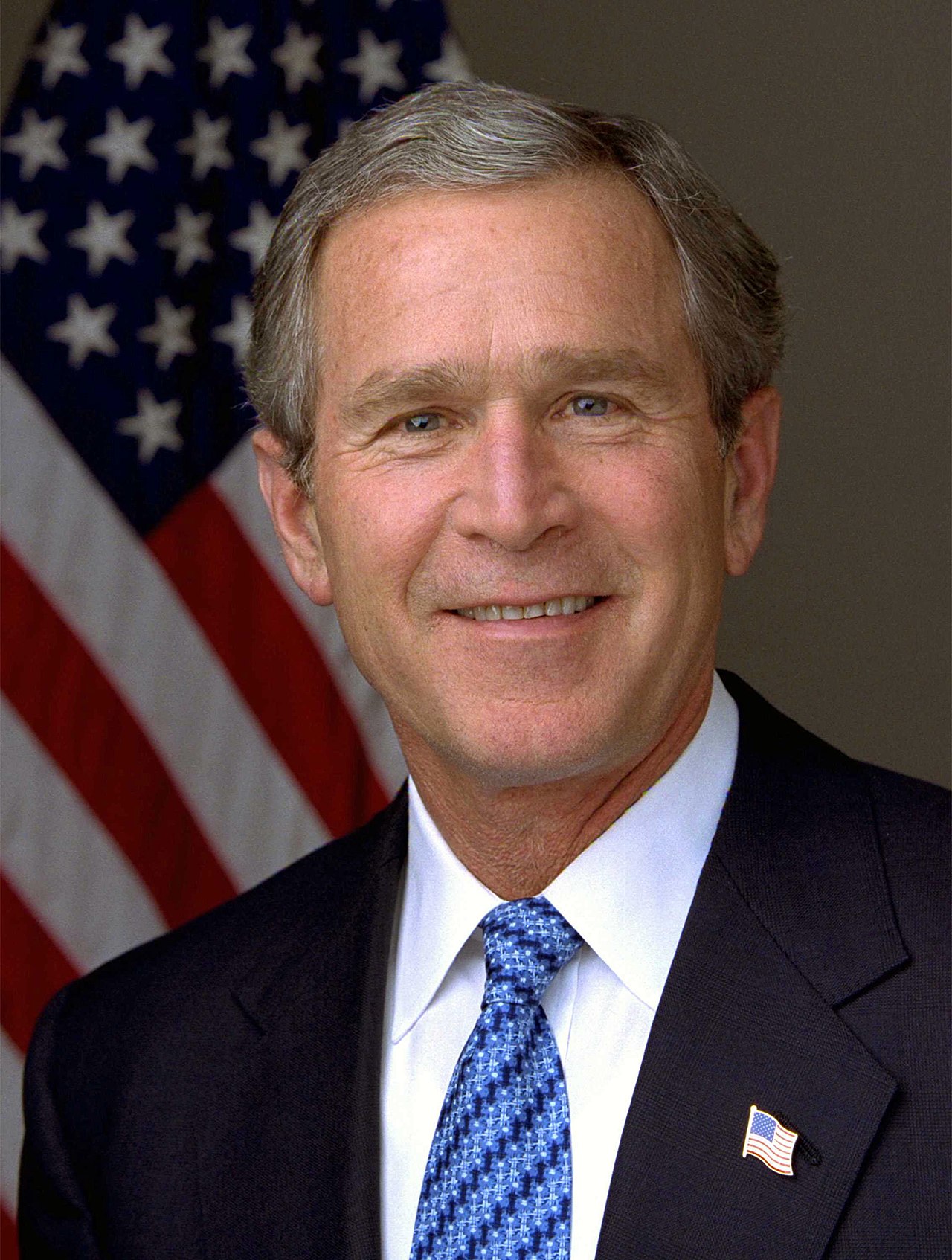

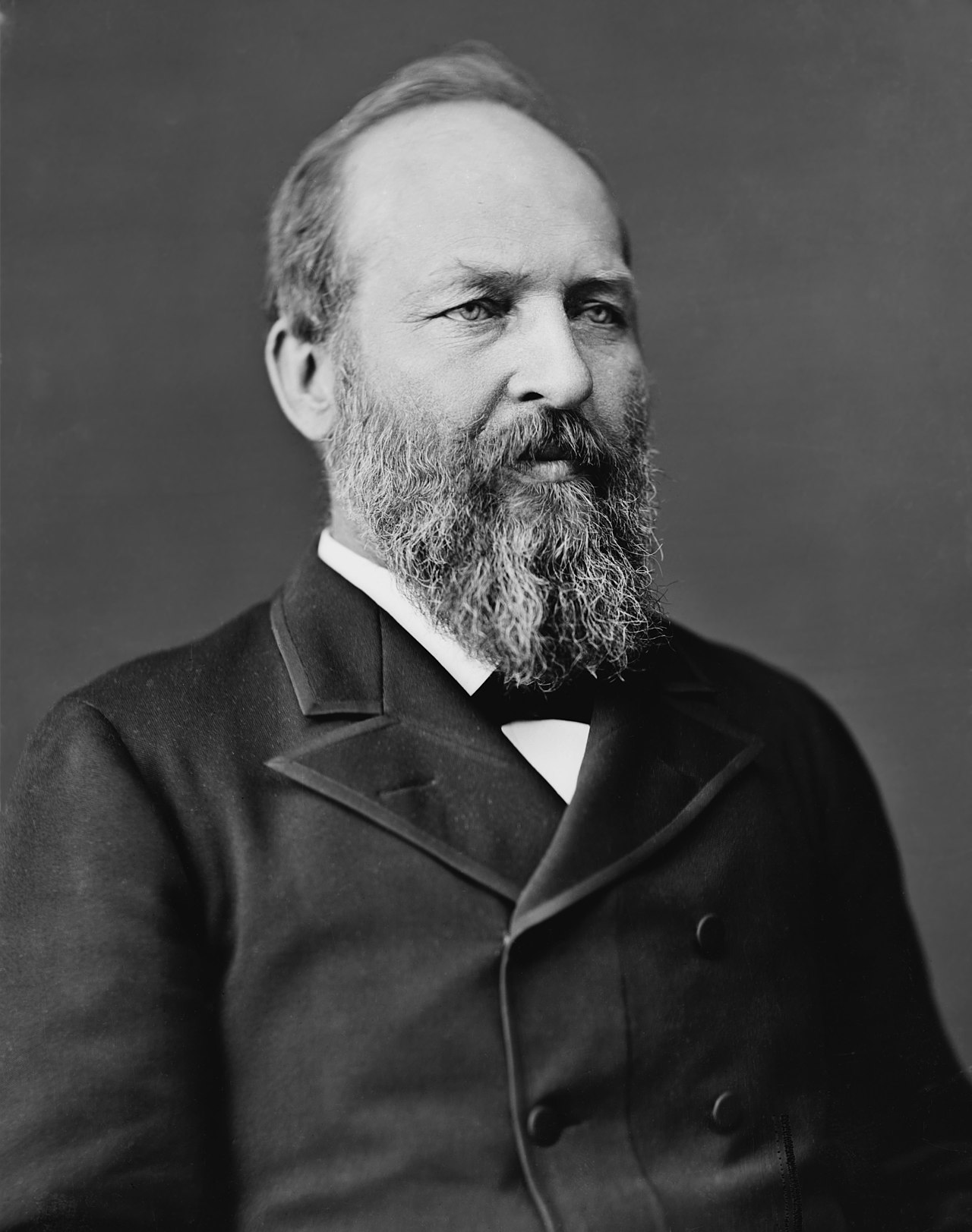
Composition and roles
A presidential cabinet list ordinarily records the cabinet secretaries and other cabinet-level officers who advised a given president. Most cabinet members are department secretaries who lead one of the executive departments; together they form a core policy team. Cabinet-level status may also be granted to officials who do not head a department. Many appointments require Senate confirmation, and lists often note acting officeholders.
History and development
The cabinet originated by presidential practice rather than direct constitutional text, beginning with the nation's early administrations. Over time the number and nature of departments and cabinet-level offices expanded and adapted to new governmental responsibilities. Modern cabinets reflect that institutional evolution while preserving the advisory role established in the republic's early years.
How lists are organized
Typical entries in a list of cabinets are arranged by president and include items such as:
- the president's name and term;
- each cabinet position and the person who held it;
- dates of service and notes on acting or interim status;
- any cabinet-level officials beyond department heads.
Uses and notable facts
These compilations help track administrative continuity, policy priorities, and professional backgrounds of advisors. They also highlight notable shifts—such as the creation of new departments or the periodic reclassification of cabinet-level posts—that shape executive governance.
Further reading
For structured, president-by-president compilations and detailed rosters, see specialized references and archival resources. A convenient starting point for organized lists is comprehensive lists of United States cabinets by president, which group cabinet membership under each administration.
Related articles
Author
AlegsaOnline.com List of United States Cabinets Leandro Alegsa
URL: https://en.alegsaonline.com/art/125202