
List of prime ministers of India
Overview and chronological list of India's prime ministers, their role, historical development, notable holders and political context from independence to the present.
The prime minister of India is the head of government and the central figure in the executive branch. Appointed by the president, the prime minister leads the Council of Ministers, sets policy priorities, and must retain the confidence of the elected lower house of Parliament. While the president is the constitutional head of state, the prime minister is the chief executive in day-to-day governance and international representation.
Image gallery
10 Images


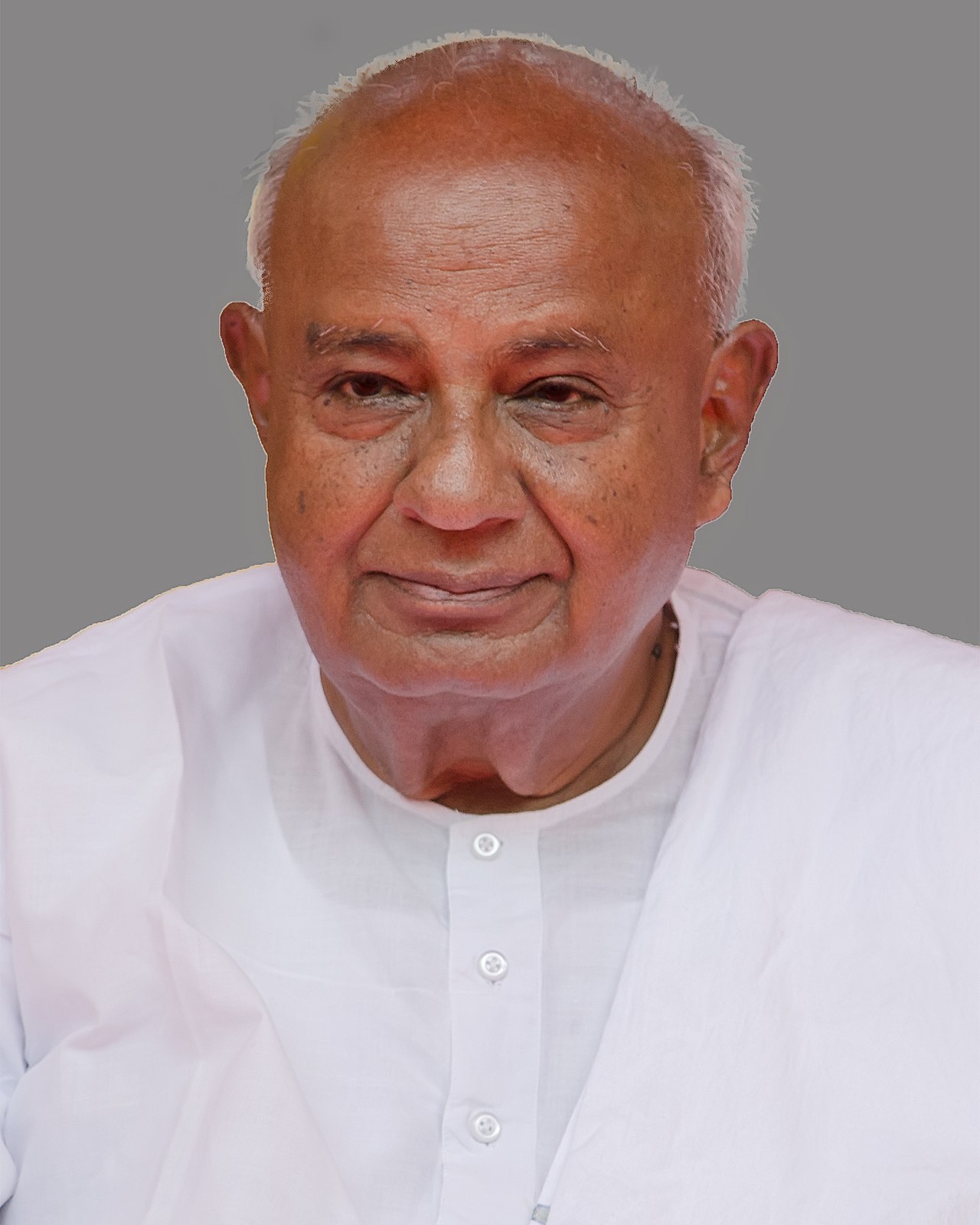


Role and selection
The office combines political leadership, administrative responsibility and coordination of Cabinet decisions. By convention, the leader of the party or coalition with a majority in the Lok Sabha (the lower house) is invited by the president to form the government. The prime minister advises the president on ministerial appointments, allocates portfolios and chairs Cabinet meetings. The position depends on parliamentary support and can change with elections, coalition shifts or loss of confidence.
Historical development
Since independence in 1947 India has been led by a succession of national leaders who shaped the office and the polity. The first prime minister was Jawaharlal Nehru, a dominant figure in the early decades and the longest-serving occupant of the post. Many early prime ministers were drawn from the Indian National Congress, reflecting that party's central role in the independence movement and early governing coalitions. From the late 1970s onward, coalition governments and regional parties became more prominent, producing multi-party cabinets and shorter tenures for some holders of the office.
Importance and functions
The prime minister drives national policy on economics, defence, foreign affairs and social programmes. In parliamentary practice the office also mediates among coalition partners, manages legislative strategy, and represents India abroad. The role has evolved from single-party dominance to an era in which coalition management and consensus-building are often decisive. The prime minister’s influence depends on parliamentary arithmetic, party organisation and public mandate.
Chronological list of prime ministers (noting major figures)
- Jawaharlal Nehru — first prime minister and major architect of independent India; associated with early state-building and foreign policy principles. link
- Gulzarilal Nanda — served as acting prime minister on two brief occasions during transitions.
- Lal Bahadur Shastri — noted for leadership during national challenges.
- Indira Gandhi — first and to date only woman prime minister, centralising figure in later 20th century politics.
- Morarji Desai, Charan Singh, Rajiv Gandhi, V. P. Singh, Chandra Shekhar — key leaders in the era of coalition politics and political realignment.
- P. V. Narasimha Rao — associated with major economic policy shifts.
- Atal Bihari Vajpayee — led multiple governments and is a prominent leader from the National Democratic side of politics.
- H. D. Deve Gowda and I. K. Gujral — figures from regional and coalition arrangements in the 1990s.
- Manmohan Singh — headed a coalition government and is known for economic stewardship in the early 21st century.
- Narendra Modi — the incumbent prime minister, leader of the Bharatiya Janata Party (BJP) since 2014; his tenure marks a significant period of political continuity at the national level. profile
In all, fifteen individuals have held the office of prime minister of India. The list includes acting prime ministers who served briefly between full-term administrations. Each occupant has left an imprint on the role, reflecting changes in party politics, federal relations and India’s position in the world.
For more detailed biographies and timelines, consult specialist political histories and official government records. Contemporary coverage and archival material provide further context on each prime minister's policies, challenges and legacy.
Questions and answers
Q: What is the prime minister of India?
A: The prime minister of India is the chief executive of the government of India.
Q: What does the prime minister of India do?
A: The prime minister leads the executive branch and chairs the Council of Ministers.
Q: How many prime ministers has India had since its independence?
A: India has had fifteen prime ministers since its independence.
Q: Who was the first prime minister of India?
A: The first prime minister of India was Jawaharlal Nehru of the Indian National Congress party.
Q: Who is the current prime minister of India?
A: The current prime minister of India is Narendra Modi of Bharatiya Janata Party (BJP) since 2014.
Q: Which political party does Narendra Modi belong to?
A: Narendra Modi belongs to Bharatiya Janata Party (BJP).
Q: What is the Council of Ministers?
A: The Council of Ministers is a body that consists of the prime minister, cabinet ministers, and other members who are appointed by the president of India.
Related articles
Author
AlegsaOnline.com List of prime ministers of India Leandro Alegsa
URL: https://en.alegsaonline.com/art/124938
Sources
- britannica.com : "Indian National Congress"
- pmindia.gov.in : "Former Prime Ministers"
- timesofindia.indiatimes.com : "Narendra Modi appointed Prime Minister, swearing in on May 26"