
Rivers of Slovenia: major waterways and drainage basins
Overview of Slovenia's rivers, their drainage basins, karst behavior, uses, and notable examples such as the Sava, Drava, Soča, Ljubljanica and Reka.
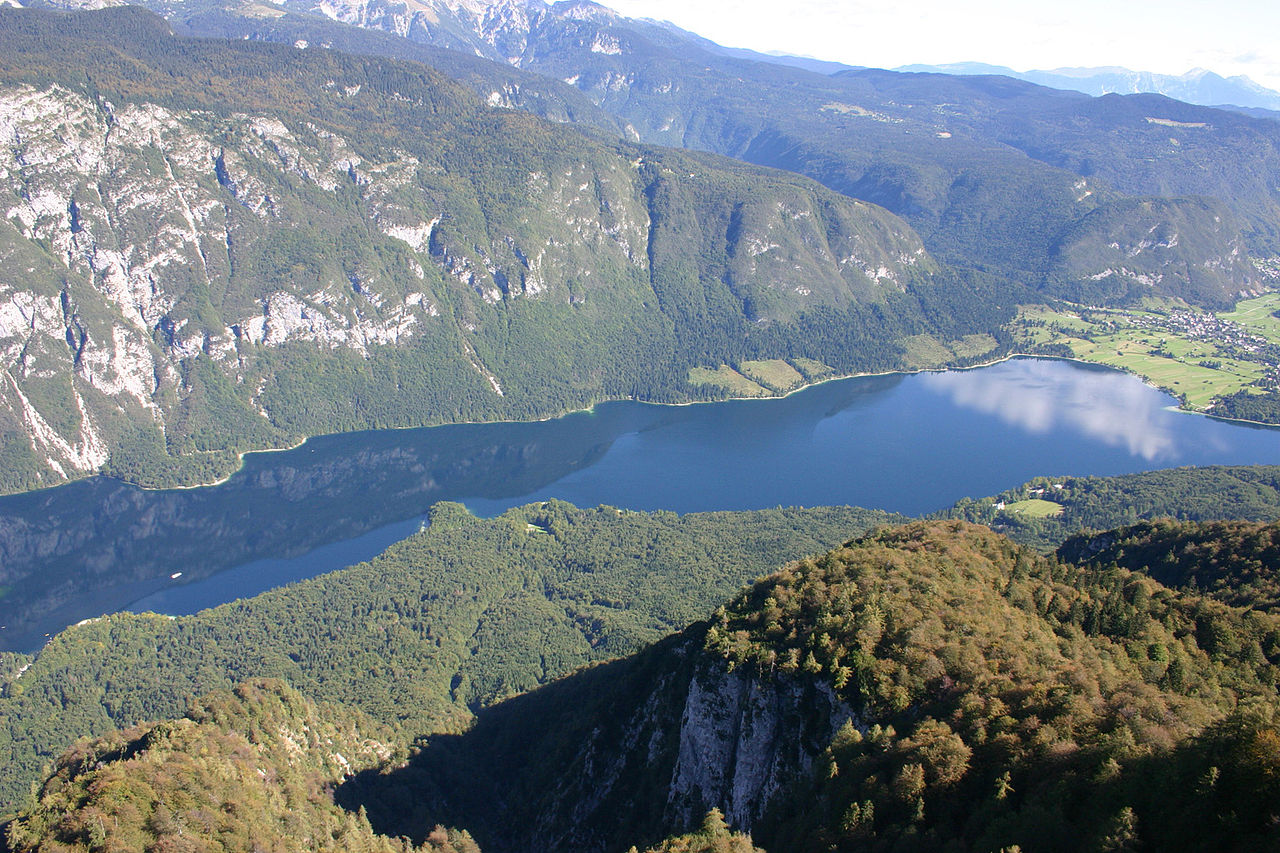
Slovenia's river network is shaped by Alpine valleys and karst plateaus. Rivers in the country feed into two principal marine basins: the Black Sea via the Danube system and the Adriatic Sea. Many well-known streams and rivers cross international borders, supply hydroelectric power, and form striking landscapes such as the emerald Soča valley. For a comprehensive index see the List of rivers of Slovenia.
Image gallery
2 Images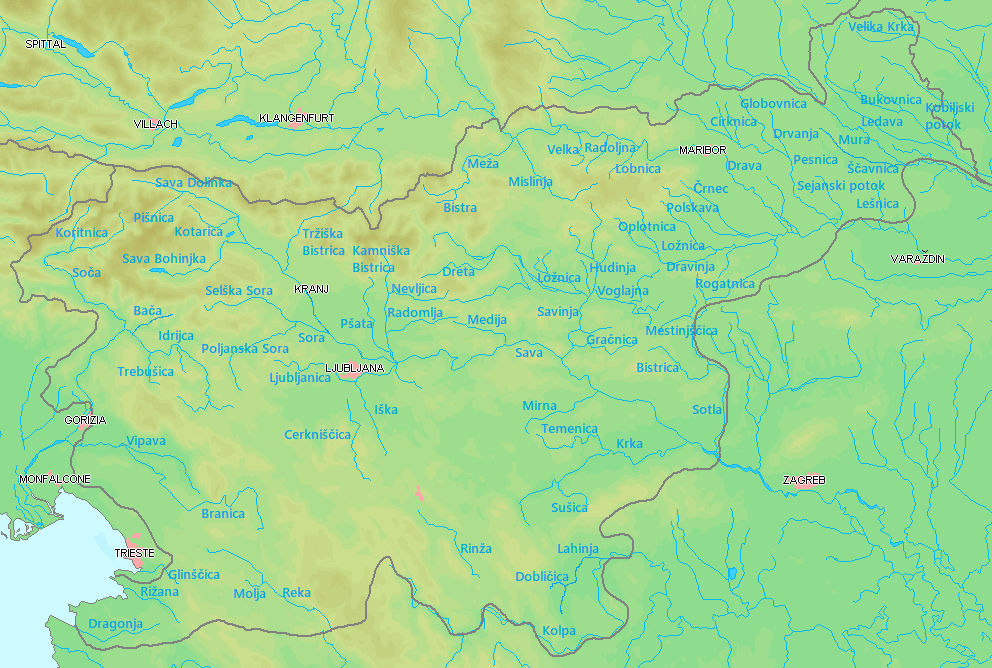
Major drainage basins and representative rivers
- Black Sea (Danube) basin: dominated by the Sava and Drava systems; important Slovenian waterways associated with this basin include the Sava and its tributaries, the Drava, and the Mura which joins the Drava downstream.
- Adriatic basin: includes the Soča and a number of short coastal rivers that run to the Gulf of Trieste. Karst rivers such as the Reka sink in Slovenia and re-emerge across the border.
- Border and transboundary rivers: rivers such as the Kolpa (Kupa) form or follow parts of Slovenia’s frontier with neighboring countries and flow onward into larger international systems.
Many Slovenian rivers are relatively short and steep where they descend from the mountains, creating fast currents, gorges and waterfalls. In contrast, lowland reaches such as the Sava valley develop broader floodplains. Karst hydrology is especially significant: some rivers disappear into sinkholes and reappear as springs elsewhere, a phenomenon that affects water management and ecology.
Uses of rivers include hydroelectric generation on larger streams, irrigation in agricultural areas, municipal water supply, and recreation. The Soča is famed for rafting, kayaking and trout fishing; urban rivers like the Ljubljanica are central to city landscapes and tourism. Flood control and river restoration projects address ecological and safety goals in populated basins.
Historically, rivers shaped settlement patterns, trade routes and battle lines. The Soča (Isonzo) region, for example, was the scene of important World War I campaigns. Rivers also appear in folklore and place names across Slovenia. Archaeological finds have been recovered from river sediments and riverbank sites.
Notable distinctions: Slovenia’s waterways illustrate the transition between Alpine, Pannonian and Mediterranean influences. The country contains both free-flowing mountain rivers and engineered river corridors, and features classic karst behavior exemplified by the Reka which vanishes underground in notable cave systems. For detailed lists and river-by-river entries consult the indexed compilation above.
Related articles
Author
AlegsaOnline.com Rivers of Slovenia: major waterways and drainage basins Leandro Alegsa
URL: https://en.alegsaonline.com/art/125074