
List of rivers of Switzerland: overview and major waterways
Survey of Switzerland's principal rivers, their drainage basins, roles in history and economy, and notable geographic and environmental features.
Switzerland is the source and crossroads of many important European rivers. Alpine headwaters give rise to streams that flow north, south, west and east into four different seas. For a compact reference see the List of rivers in Switzerland, and below is an organized overview of the main rivers, how they drain, and why they matter.
Image gallery
10 Images

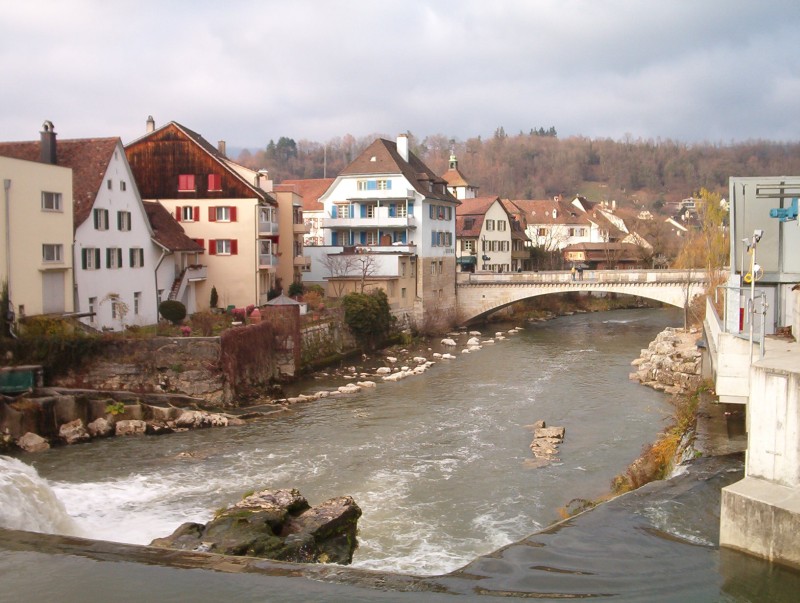

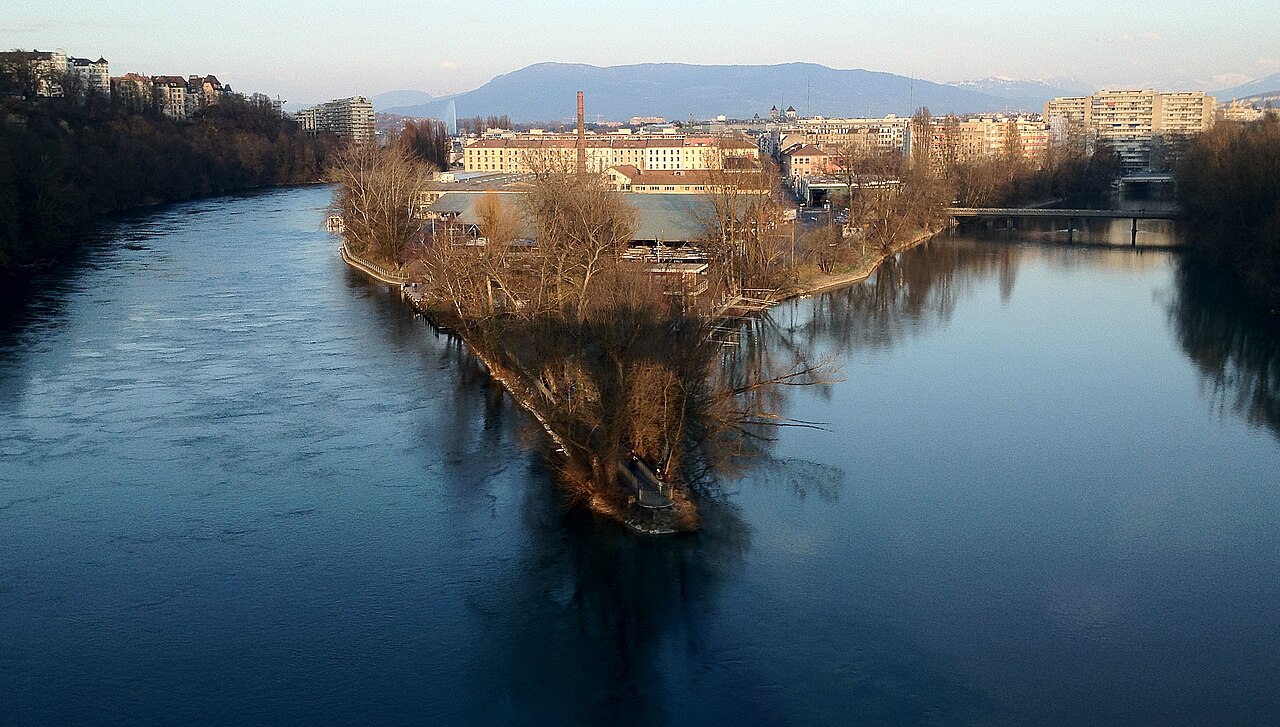


Major rivers and drainage basins
Swiss rivers belong to several principal drainage systems:
- North Sea (Rhine basin): the Rhine (Rhein/Rhin) receives the Aare, Reuss, Limmat and Thur and carries Alpine meltwater north into the North Sea.
- Mediterranean (Rhône basin): the Rhône rises in the Swiss Alps, crosses Lake Geneva and continues west into France toward the Mediterranean.
- Black Sea (Danube basin via the Inn): the Inn begins in the eastern Swiss Alps and flows east to join the Danube, contributing to the Black Sea watershed.
- Adriatic (Po basin): rivers of southern Switzerland such as the Ticino and Maggia drain south into the Po and ultimately the Adriatic Sea.
Notable rivers and tributaries
Among rivers whose courses or catchments are largely Swiss are the Aare (a major Rhine tributary and the longest river entirely within Switzerland), the Reuss and Limmat in central Switzerland, the Sihl and Thur, and mountain rivers such as the Vispa and the Dranse. In the south, the Ticino and Maggia dominate the Ticino canton and feed Lake Maggiore.
Characteristics and uses
Swiss rivers range from steep, fast-flowing Alpine torrents to slower, meandering plateau streams. They have been heavily managed for flood control, irrigation and especially hydroelectric power, which depends on Alpine gradients and reservoirs. Navigation is limited to certain stretches (notably the Rhine downstream), while many rivers provide drinking water, recreation and habitats for diverse aquatic life.
History, borders and environment
Rivers have shaped settlement, transport and political borders: sections of the Rhine and Doubs have historically formed frontiers. Industrialization brought pollution in the 19th and 20th centuries, but modern policies emphasize water quality, habitat restoration and integrated river management. Cross‑border cooperation with neighboring countries is essential where rivers leave or enter Switzerland.
Notable facts and distinctions
- Swiss waterways drain into four different seas—an uncommon feature for a country of its size.
- Many important European rivers have significant portions of their headwaters in Swiss territory.
- Hydropower from rivers is a cornerstone of Swiss renewable energy.
For detailed alphabetical lists, maps and tributary networks consult the dedicated List of rivers in Switzerland entry and regional hydrographic resources.
Related articles
Author
AlegsaOnline.com List of rivers of Switzerland: overview and major waterways Leandro Alegsa
URL: https://en.alegsaonline.com/art/125079