
List of municipalities of the Province of Terni
Overview of the 33 municipalities (comuni) that make up the Province of Terni in Umbria, Italy, with administrative context, notable towns, history, and links to full lists and regional resources.
Overview
The Province of Terni is one of two provinces in the central Italian region of Umbria. It is an administrative area composed of 33 municipalities (comuni). Each comune is the basic local government unit in Italy and is responsible for local services, civil records, urban planning and community welfare. The provincial level coordinates activities among its municipalities and with the regional government.
Image gallery
7 Images



Administration and characteristics
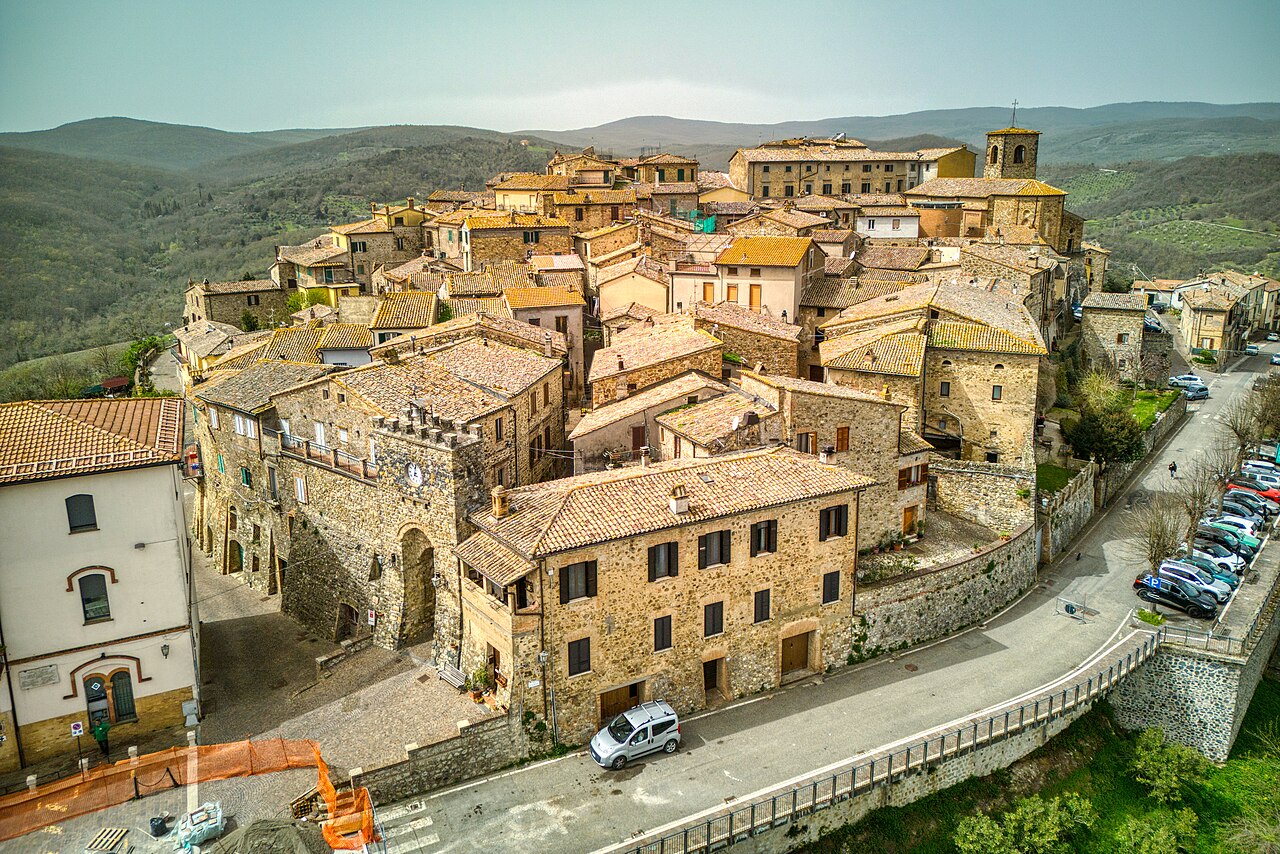
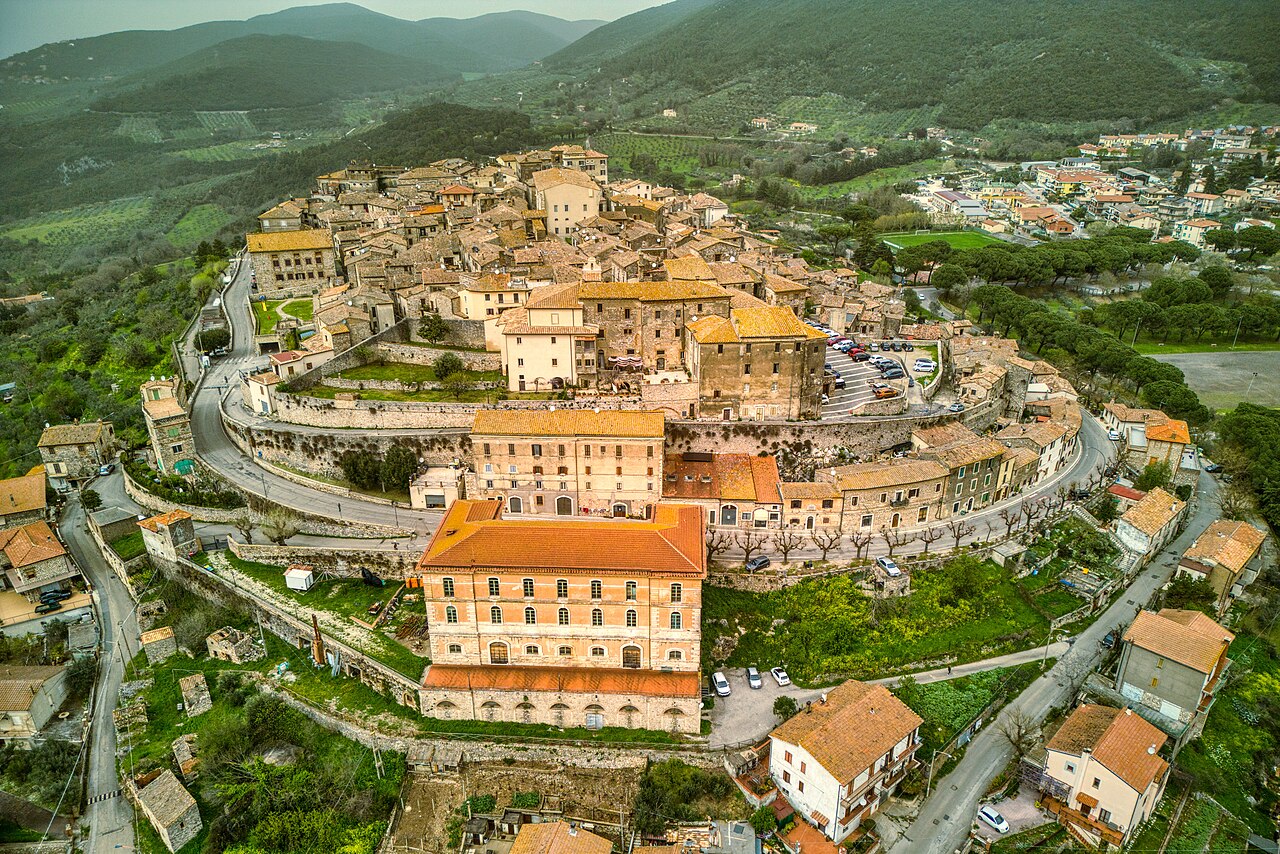
Municipalities in the Province of Terni range from the provincial capital, a larger urban center, to small hilltop and rural villages. Governance follows the standard Italian system: each comune has an elected mayor (sindaco) and council. Economically the area combines light and heavy industry, especially around the capital, with agriculture, artisanal production and tourism in the smaller towns.
Notable municipalities and sites
Among the 33 comuni, several are prominent for historical, cultural or natural reasons. The provincial capital is the main industrial and service hub. Other municipalities are known for medieval centers, Etruscan and Roman heritage, archaeological sites, thermal springs and scenic landscapes. Important attractions in the area include ancient hill towns, fortified castles and waterfalls that draw visitors from Italy and abroad.
- Terni – the provincial capital and largest urban area.
- Narni – notable for its medieval center and history.
- Orvieto – famed for its cathedral and Etruscan roots.
- Amelia – an example of a well-preserved ancient walled town.
- Acquasparta and San Gemini – small towns with historic centres and local traditions.
History and development
The current arrangement of municipalities reflects historical settlement patterns, medieval political divisions and later administrative reforms. Over centuries the area developed a mix of fortified hill towns, agricultural villages and riverine settlements; in modern times industrialization around the capital altered the local economy and demographic balance. Cultural heritage from pre-Roman, Roman and medieval periods remains visible throughout the comuni.
Where to find the full list
This article summarizes the character and importance of the province and its municipalities. For a complete, up-to-date enumeration of all 33 comuni, consult the official municipal directory or provincial resources. See the Complete list of the 33 communes, the provincial information page at Province of Terni, regional context at Umbria and national administrative information at Italy.
The municipalities collectively shape the province's identity: blending industrial centers, historic towns and rural landscapes. Visitors and researchers commonly consult local tourism offices or municipal websites for specific attractions, public services and events in each comune.
Related articles
Author
AlegsaOnline.com List of municipalities of the Province of Terni Leandro Alegsa
URL: https://en.alegsaonline.com/art/124586
Sources
- demo.istat.it : "Statistiche demografiche ISTAT"
- tuttitalia.it : "Comuni Provincia di Terni"