
List of notable British heritage and private railways
An organized overview of well-known British heritage and private railways, their roles, notable examples and brief guidance on preservation, volunteering and visiting.
Heritage and private railways in Britain preserve historic track, rolling stock and operating practices for education, tourism and recreation. Many are run by volunteer organisations or private trusts and offer steam and vintage diesel services, museum displays and special events. They range from short demonstration lines to multi-mile routes that follow former commercial railways.
Image gallery
10 Images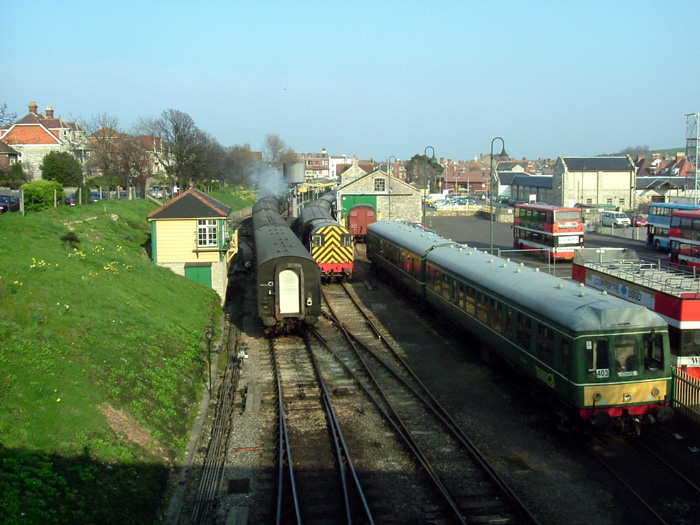


Characteristics and purpose
These railways focus on conservation of railway technology, interpretation of local and industrial history, and hands-on restoration. Typical features include restored steam locomotives, period carriages, signal boxes and interpretive exhibitions. Operating ethos varies: some lines aim for authentic period atmosphere while others prioritise family-friendly visitor experiences.
Notable lines, museums and examples
- Dartmoor Railway (route and activities documented; see archive record)
- East Kent Railway – a preserved route with a mix of operational steam and industrial heritage displays
- Ecclesbourne Valley Railway – community-run service connecting local towns and heritage sites
- Eden Valley Railway – heritage services and restoration projects in a rural setting
- Epping Ongar Railway – former suburban branch line reopened as a heritage railway
- Lynton & Barnstaple Railway – narrow-gauge revival on a scenic route
- Mangapps Railway Museum – private museum and collection with demonstration track
- National Railway Museum – the principal national collection and public museum for Britain’s railway history
- Northampton & Lamport Railway – volunteer-preserved line with events and training
- Plym Valley Railway – local preservation group operating restored track and exhibits
- Swanage Railway – a popular heritage route serving coastal Dorset and tourist services
- Talyllyn Railway – historically important as one of the first volunteer-run preserved railways
- West Somerset Railway – a long heritage route offering regular steam services
- Lavender Line – a compact visitor railway and living museum (community-run)
Many of these lines grew from local campaigns to save redundant track and rolling stock after mid-20th century closures. The preservation movement established practices for restoration, training and operational regulation that allow vintage equipment to run safely alongside modern rail legislation.
Visiting a heritage railway typically offers scheduled steam or diesel trains, museum displays, special events such as gala days, and opportunities to volunteer. Volunteers contribute to restoration, station operation, signalling and education programs. Private collections and museums often complement public lines by maintaining workshops and archives.
Heritage and private railways play roles in tourism, education and industrial archaeology. They keep traditional skills alive, support local economies and provide accessible ways to experience railway history. For more information on specific lines and visitor arrangements follow the links above or consult local preservation groups and museum resources.
Related articles
Author
AlegsaOnline.com List of notable British heritage and private railways Leandro Alegsa
URL: https://en.alegsaonline.com/art/124519