
List of British Rail electric multiple unit classes
Overview of British Rail electric multiple unit (EMU) classes used on the mainline since 1948, describing power systems, TOPS classification, development, and typical roles.
Overview
This article outlines the electric multiple units (EMUs) that have been allocated class numbers for operation on the British mainline network since nationalisation in 1948. It covers EMUs operated by British Railways and by subsequent companies after privatisation, summarising how fleets are grouped, how they differ according to their electrical supply and duties, and why a single compiled list is useful to railway staff, historians and enthusiasts. For background on electrical supplies and infrastructure see electric power systems.
Image gallery
10 Images




Characteristics and common parts
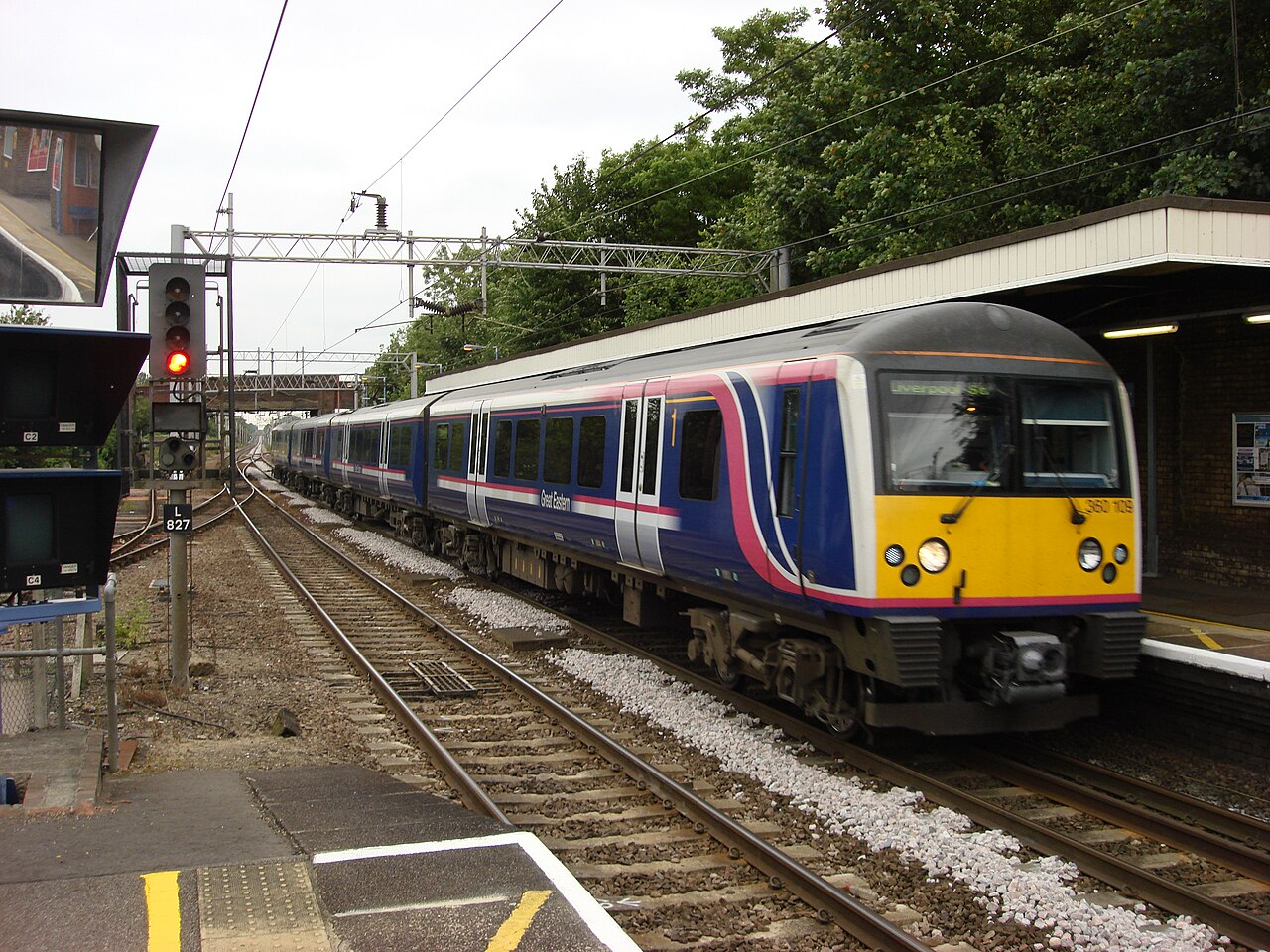
Electric multiple units are trainsets where traction equipment is distributed across several cars rather than concentrated in a separate locomotive. Typical components include motor cars with traction motors and transformers or rectifiers, driving trailers with driver cabs, passenger saloons, and multiple-unit control systems that allow sets to be coupled and driven together. EMUs are built to operate from different supplies, such as DC third-rail or overhead AC; information about these supply types appears in many fleet descriptions and technical lists.
Classification and numbering
Since the adoption of the TOPS computerised stock system, each mainline EMU type has been given a class number as part of standard fleet management practice. The TOPS classification groups units by technical family and design generation to aid maintenance planning and allocation. The list of classes therefore records both purpose-built suburban units and long-distance EMUs, noting their intended use, formation sizes and any sub-class distinctions.
History and development
EMU development in Britain reflects changes in electrification and demand: early post‑war fleets were built for intensive suburban services, later replaced or supplemented by modern designs when lines were electrified with alternating current or upgraded third‑rail systems. The page treats rolling stock from the era of British Railways through the post‑privatisation era, highlighting transitions in technology and design philosophy since the nationalised railway era began in 1948.
Uses, examples and notable families
EMU classes are commonly grouped by role: suburban and metro units for short stopping services, regional units for longer-distance commuter routes, and express/high-speed EMUs for intercity work. The list includes examples of multiple-unit types in each role and notes variations such as dual-voltage units capable of running on different supplies. For general descriptions of electric multiple units see electric multiple units.
Distinctions, preservation and further reading
The compiled list highlights distinctions such as DC versus AC operation, single- versus multiple-voltage capability, and whether units were purpose-built or converted. Many retired classes survive in preservation or on heritage lines, and others have been cascaded between operators. For readers seeking technical details, fleet rosters and diagrams, the linked resources and specialised registries provide deeper data and photographs.
- Overview and purpose of the list
- Technical characteristics and formations
- How TOPS numbering organises classes
- Historical development and role changes
Questions and answers
Q: What is the purpose of this page?
A: The purpose of this page is to list every electric-powered multiple unit allocated a TOPS classification or used on the mainline network since 1948.
Q: What is a TOPS classification?
A: A TOPS classification is a system used to identify and classify locomotives and rolling stock on the railway network in the United Kingdom.
Q: Has British Rail operated a variety of electric multiple units?
A: Yes, British Rail has operated a wide variety of electric multiple units for use on electrified lines.
Q: What time period does this list cover?
A: This list covers electric multiple units used on the mainline network since 1948, including both British Railways and post-privatisation.
Q: What is the significance of the year 1948?
A: The year 1948 marks the beginning of British Railways, which was the nationalised railway system of Great Britain until it was privatised in the 1990s.
Q: Did British Rail continue to use electric multiple units after it was privatised?
A: Yes, British Rail continued to use electric multiple units after it was privatised.
Q: Is this page comprehensive of every electric multiple unit ever used on the mainline network in the United Kingdom?
A: It is not clear whether this page is comprehensive of every electric multiple unit ever used on the mainline network in the United Kingdom, but it aims to list every electric-powered multiple unit that has been allocated a TOPS classification or used on the mainline network since 1948.
Related articles
Author
AlegsaOnline.com List of British Rail electric multiple unit classes Leandro Alegsa
URL: https://en.alegsaonline.com/art/124522