
Talyllyn Railway — historic narrow‑gauge line and the first volunteer‑run preservation
A 2 ft 3 in narrow‑gauge heritage railway in mid‑Wales, opened in 1866 to serve slate quarries. Preserved and operated by volunteers from 1951, it runs between Tywyn and Nant Gwernol and hosts a museum.
The Talyllyn Railway (Welsh: Rheilffordd Talyllyn) is a narrow‑gauge railway in mid‑Wales that operates as a heritage and tourist line. Opened in 1866 to serve the slate quarries at Bryn Eglwys, the line runs for 7.25 miles (about 11.7 km) from the coastal town of Tywyn to Nant Gwernol near Abergynolwyn. Built primarily to carry slate and quarry materials, the railway also carried workers and general goods; it was one of the earliest narrow‑gauge lines in Britain authorised by Act of Parliament to carry passengers by steam haulage.
Image gallery
10 Images




Route and infrastructure
The route climbs from Tywyn into the Dysynni valley and follows a steep, winding course through rugged upland terrain. The line uses the uncommon gauge of 2 ft 3 in (686 mm), a size retained throughout preservation. Track geometry and permanent way reflect the railway's industrial origins: tight curves, modest clearances, steep gradients and compact bridges. Principal stations and halts include Tywyn Wharf at the lower end, Pendre, Abergynolwyn and the current terminus at Nant Gwernol, reached after an extension using an old mineral line.
History and early years
Constructed in the 1860s, the Talyllyn primarily served the Bryn Eglwys quarry complex and linked the quarries with quay facilities at Tywyn for shipping finished slate. For much of its working life the company operated on a limited budget and much of its equipment and buildings remained little altered from the nineteenth century. The quarry’s decline and a collapse in the 1940s reduced traffic and revenue, leaving the railway in a fragile state by the mid twentieth century.
Preservation and volunteer operation
In 1951 a group of volunteers formed the Talyllyn Railway Preservation Society and took over operation of the line, making it the first railway in the world to be preserved and operated by volunteers while remaining a working railway. Volunteers organised fundraising, restoration of track and buildings, and the repair and maintenance of the original locomotives and carriages. The example set by the society encouraged similar efforts elsewhere and helped to found the heritage railway movement in Britain.
Rolling stock, workshops and museum
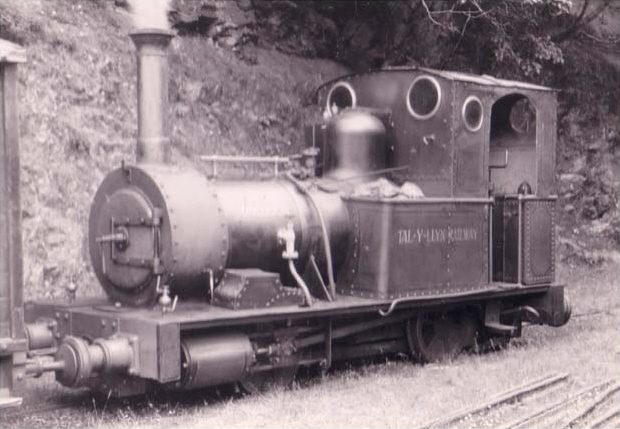
The preserved railway operates a mix of original nineteenth‑century and later historic and replica rolling stock. Early steam locomotives associated with the line include the original engines that survived into preservation; since 1951 the society and subsequent builders have added additional locomotives to provide more reliable service and to assist with maintenance work. The railway maintains workshops and engineering facilities where restoration and new construction work are carried out, notably at Pendre and other maintenance sites. The Narrow Gauge Railway Museum at Tywyn Wharf houses displays about the line’s industrial past, its rescue and the wider context of narrow‑gauge railways; the museum and station facilities were substantially improved in the early 2000s.
Development and extensions
Since preservation the society has undertaken phased improvements to track, stations and passenger facilities. In 1976 an extension along the former mineral route opened the present terminus at Nant Gwernol, providing a scenic woodland end to the passenger service. Station redevelopment, including work at Tywyn Wharf, and rolling stock renewal have been carried out as funds and volunteer labour permitted. The railway operates on a seasonal timetable and offers special events, educational visits and volunteer programmes to support ongoing conservation.
Cultural impact and legacy
The story of the Talyllyn Railway has had a wider cultural influence. It inspired the fictional Skarloey Railway in the Railway Series of children’s books by the Rev. W. Awdry and contributed to public awareness of railway preservation. The railway’s rescue and continuing operation also provided material for film and popular accounts of community‑based heritage projects; one of the early cinematic works influenced by small‑scale preservation efforts was the Ealing comedy The Titfield Thunderbolt. The Talyllyn remains an important case study in industrial archaeology, volunteer conservation and sustainable heritage tourism.
Visiting and research
Today the line is operated by a combination of paid staff and a substantial volunteer workforce; it provides scenic steam journeys, museum exhibits and events throughout the year. For practical visitor information, volunteer opportunities and detailed historical resources see the society’s published guides and online resources at visitor information and the preservation organisation pages at preservation society. Archival collections and deeper research materials can be consulted through local heritage organisations and digital archives referenced at archive links and broader research guides at research pages.
- Key dates and milestones
- 1866: line opened to serve Bryn Eglwys quarries.
- Mid‑twentieth century: quarry decline and reduced traffic.
- 1951: taken over and preserved by volunteers.
- 1976: extension to Nant Gwernol opened.
- Early 2000s: station and museum improvements at Tywyn Wharf.
The Talyllyn Railway continues to be studied for its technical interest, its role in the history of industrial transport and its pioneering place in the heritage railway movement. Its combination of authentic equipment, skilled volunteer work and striking Welsh scenery makes it a notable example of how industrial infrastructure can be preserved for education, research and public enjoyment.
Questions and answers
Q: What is the Talyllyn Railway?
A: The Talyllyn Railway is a narrow-gauge preserved railway in Wales. It runs for 7.25 miles (11.67 km) from Tywyn on the Mid-Wales coast to Nant Gwernol near the village of Abergynolwyn.
Q: When was it opened?
A: The line was opened in 1866 to carry slate from the quarries at Bryn Eglwys to Tywyn.
Q: How did it become a heritage railway?
A: Despite severe under-investment, the line remained open, and in 1951 it became the first railway in the world to be preserved as a heritage railway by volunteers.
Q: What has been done since its preservation?
A: Since preservation, the railway has operated as a tourist attraction and increased its rolling stock by buying and building new locomotives and carriages. In 1976, an extension was opened along the former mineral line from Abergynolwyn to the new station at Nant Gwernol. In 2001, the preservation society celebrated its 50th anniversary and in 2005 a major rebuilding and extension of Tywyn Wharf station took place which included a much-expanded facility for the Narrow Gauge Railway Museum.
Q: How has it been portrayed in fiction?
A: The fictional Skarloey Railway was based on the Talyllyn Railway and formed part of The Rev W Awdry's Railway Series of children's books. Additionally, its preservation inspired an Ealing Comedy film called The Titfield Thunderbolt.
Q: Was it authorised by Act of Parliament?
A: Yes, it was - It was actually Britain's first narrow gauge railway authorised by Act of Parliament to carry passengers using steam haulage
Related articles
Author
AlegsaOnline.com Talyllyn Railway — historic narrow‑gauge line and the first volunteer‑run preservation Leandro Alegsa
URL: https://en.alegsaonline.com/art/96164