
Lili Elbe (1882–1931) — Danish painter and early recipient of gender‑affirming surgery
Lili Elbe, born Einar Wegener, was a Danish artist who became one of the first known recipients of surgical gender-affirming procedures. Her life, medical history and legacy remain significant in transgender history.
Overview
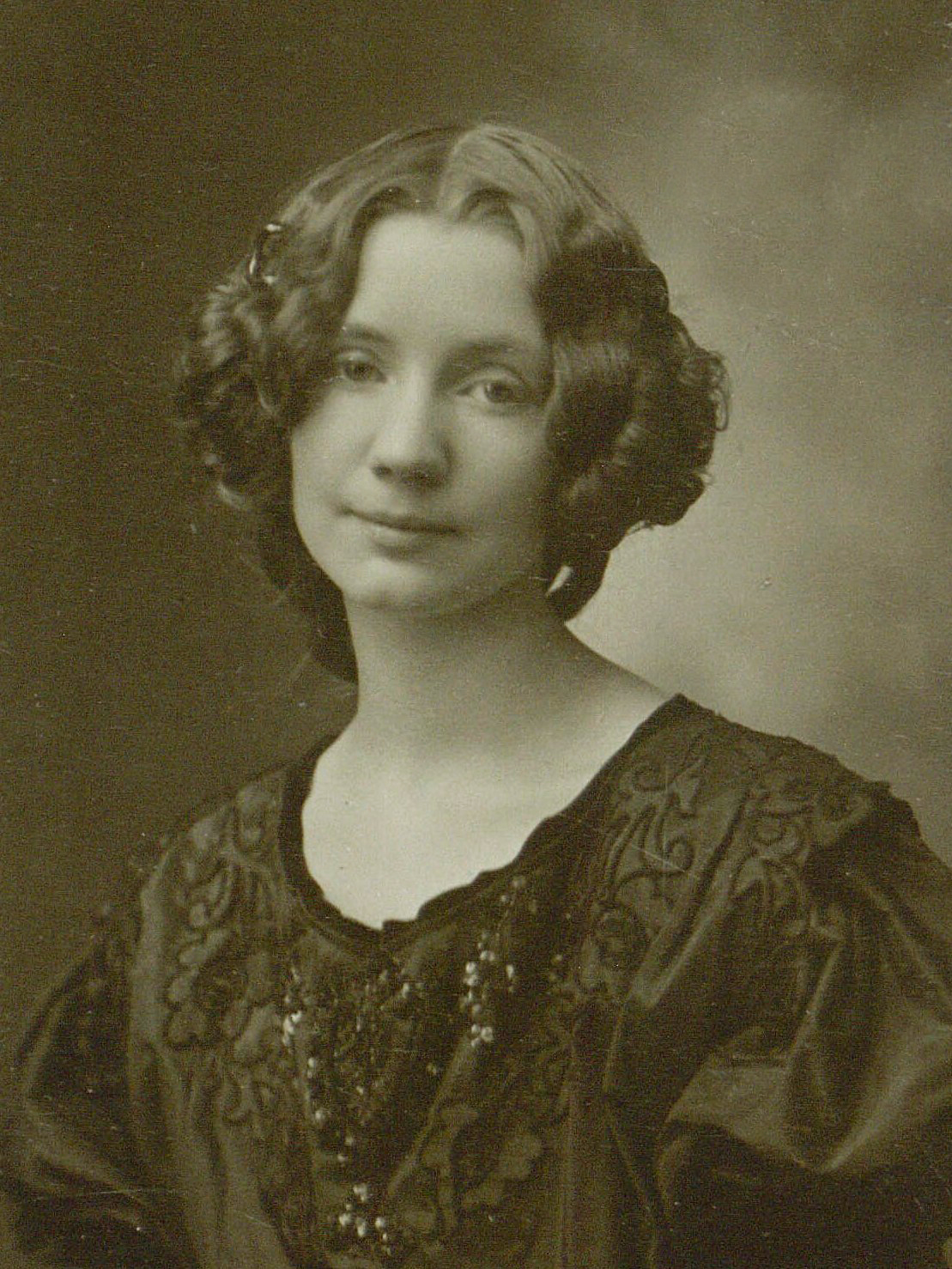
Lili Elbe (born Einar Magnus Andreas Wegener; 28 December 1882 – 13 September 1931) was a Danish painter who is widely remembered as one of the earliest public figures to undergo surgical gender‑affirming procedures. Trained as an artist, she gained recognition both for her own work and as the subject and collaborator of her wife, fellow artist Gerda Wegener. In later life she adopted the name Lili Elbe and sought medical treatment to align her body with her lived identity.
Image gallery
10 Images


Life and career
Raised and active in Denmark, Elbe worked primarily as a painter of portraits and landscapes. Her artistic circle and marriage to Gerda Wegener placed her in creative milieus where she increasingly presented and lived as a woman. While her early reputation rests on traditional artistic pursuits, her personal story became the focus of wider public attention as she pursued legal and medical recognition of her gender.
Medical treatment and death
In the late 1920s and early 1930s Elbe underwent a series of surgical procedures that were among the first of their kind in Europe. These operations were experimental for the period and intended to provide a body more consistent with a female identity. One of the attempted procedures involved transplantation of a uterus, an experimental intervention at that time; complications from this operation led to organ rejection and subsequent failure of vital functions. Elbe died at age 48 from a cardiac arrest related to complications after the surgery.
Publications and portrayals
Elbe's experiences were recounted in a posthumous memoir that brought her story to international notice and later inspired books and films. Popular dramatizations, including feature films, have introduced her life to new audiences but have also been criticized for fictionalizing events and simplifying the complexities of early transgender medical history.
Legacy and significance
Lili Elbe occupies a prominent place in histories of gender diversity and medical ethics. She is often cited in discussions of early sex‑reassignment procedures and the social and legal challenges faced by transgender people in the early twentieth century. Her life prompts reflection on the risks of experimental medicine, the limits of contemporary understanding, and the evolving language around gender identity. For basic context on gender identity you can consult resources about transgender experiences.
Notable facts
- Born Einar Wegener, later legally and publicly known as Lili Elbe.
- Worked as a painter and was connected to a community of European artists.
- Died following complications from an experimental uterus transplant.
- Her life story has influenced literature, film and conversations about transgender history and medical practice.
Related articles
Author
AlegsaOnline.com Lili Elbe (1882–1931) — Danish painter and early recipient of gender‑affirming surgery Leandro Alegsa
URL: https://en.alegsaonline.com/art/124363
Sources
- theweek.co.uk : "Lili Elbe: the transgender artist behind The Danish Girl"