
Liaquat Ali Khan: First Prime Minister of Pakistan (1895–1951)
Biography of Liaquat Ali Khan, a leading figure in Pakistan's founding: his life, political career, key policies (Objectives Resolution, Liaquat–Nehru Pact), assassination, and legacy.
Overview
Nawabzada Liaquat Ali Khan (1 October 1895 – 16 October 1951) was a central figure in the creation of Pakistan and served as its first prime minister and defence minister. A lawyer and seasoned politician, he rose through the ranks of the All-India Muslim League and became a close associate of Muhammad Ali Jinnah. He led the government of Pakistan from independence in 1947 until his assassination in 1951, guiding the new state through institutional formation, communal tensions, and early foreign-policy choices.
Image gallery
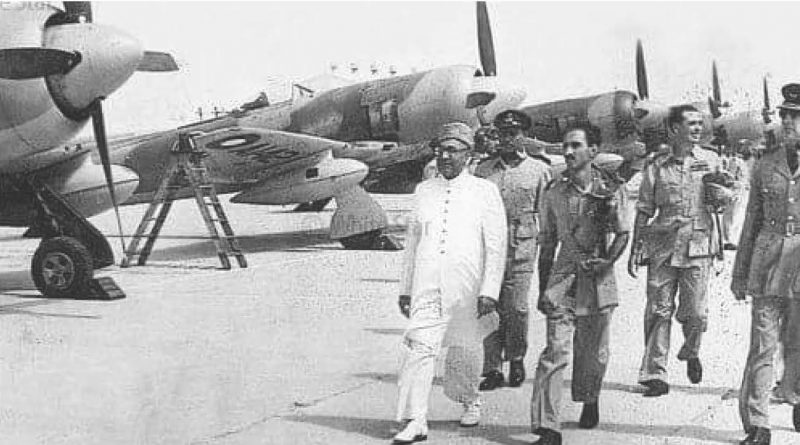
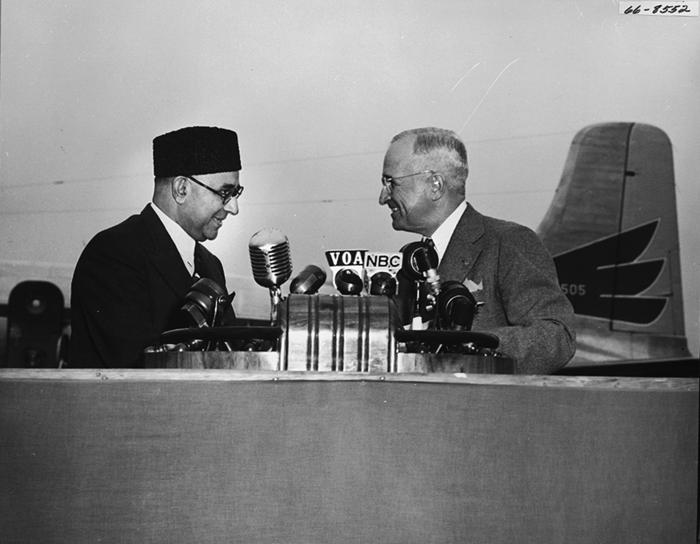
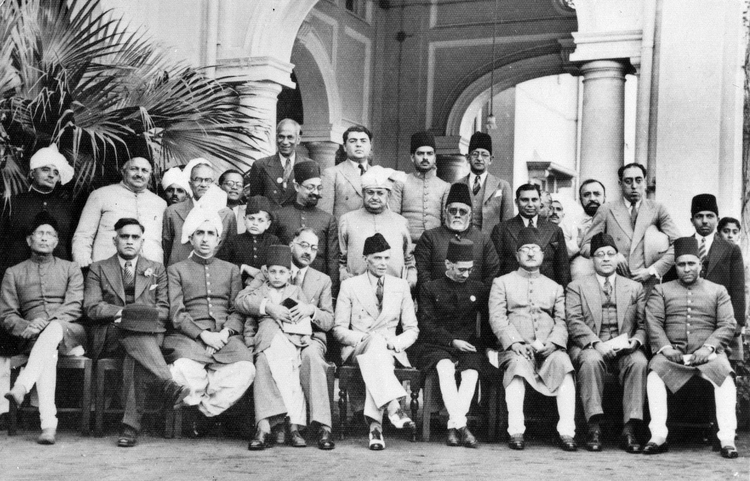
10 Images



Early life and education
Liaquat Ali Khan was born into a landed family in what was then British India. He studied at institutions in India and trained in law before entering public life. His early professional career combined legal practice with participation in local and provincial politics, where he developed a reputation as an able organiser and administrator. As a Muslim League leader he helped mobilise support for a separate Muslim homeland in the late colonial period.
Political career and leadership
As a senior member of the Muslim League, Liaquat played a major role in the negotiations and political work that led to the Partition of British India in 1947. After independence he became Pakistan's first prime minister and also oversaw defence affairs. His tenure was marked by efforts to establish a functioning civil service, to rehabilitate millions of refugees, and to create constitutional foundations for the state. He steered a parliamentary form of government while seeking to balance religious and secular influences in public life.
Key policies and initiatives
- Objectives Resolution (1949): Liaquat introduced this foundational statement in the Constituent Assembly to outline principles that would guide Pakistan's constitution, combining democratic and Islamic elements and promising rights for minorities.
- Liaquat–Nehru Pact (1950): In an effort to protect communal minorities after Partition, he negotiated agreements with India to guarantee some safeguards for Muslims and Hindus affected by migration and violence.
- Institution building: He focused on creating administrative institutions, economic policies for a new state, and a foreign-policy orientation that sought aid and security partnerships abroad.
Foreign relations and domestic controversies
Liaquat navigated a complex international environment at the start of the Cold War, cultivating ties with Western powers while also engaging neighbouring countries. Domestically, his government faced criticism from diverse quarters—regional leaders, religious groups, and emerging political opponents—over issues of governance, civil liberties, and the pace of constitutional progress. He remains a contested figure: admired for his role in state-building and critiqued for political decisions that some viewed as exclusionary or insufficiently consultative.
Assassination and legacy
On 16 October 1951, Liaquat Ali Khan was shot while addressing a public gathering in Rawalpindi; he died shortly afterward. The assailant was killed at the scene, and the motives and wider circumstances have remained the subject of debate and conjecture. Liaquat is remembered as one of Pakistan's founding leaders and has been honored with titles such as Quaid-e-Millat and, posthumously, Shaheed-e-Millat. His contributions—both the Objectives Resolution and early institutional work—continued to influence Pakistan's political development for decades.
Further reading and related topics
- All-India Muslim League—the party central to Pakistan's creation.
- Prime ministerial role—the office Liaquat first held in Pakistan's parliamentary system.
- Defence and security—early policies and civil-military relations under his government.
- Assassination—accounts and inquiries into his death remain topics of historical interest.
- Muhammad Ali Jinnah—the founder with whom Liaquat worked closely during the independence movement and early statehood.
Liaquat Ali Khan's life intersects with the wider story of South Asia's transition from empire to independent states. Students of constitutional history, communal politics, and the early Cold War in South Asia frequently examine his premiership to understand how the immediate challenges of 1947–51 shaped Pakistan's subsequent trajectory.
Related articles
Author
AlegsaOnline.com Liaquat Ali Khan: First Prime Minister of Pakistan (1895–1951) Leandro Alegsa
URL: https://en.alegsaonline.com/art/124347
Sources
- thequint.com : thequint.com