
Leymah Gbowee: Liberian Peace Activist and Nobel Laureate
Leymah Gbowee is a Liberian peacebuilder and women’s movement leader who helped end Liberia’s civil war and shared the 2011 Nobel Peace Prize for nonviolent activism.
Leymah Roberta Gbowee (born 1 February 1972) is a Liberian peace activist and women’s leader best known for organizing mass, nonviolent protests that helped bring an end to the Second Liberian Civil War. A former social worker, she mobilized Christian and Muslim women into coordinated actions that combined prayer, public demonstrations, sit-ins and campaigns of social pressure. Her leadership was widely credited with helping to create conditions for the 2003 ceasefire and subsequent democratic transition.
Image gallery
4 Images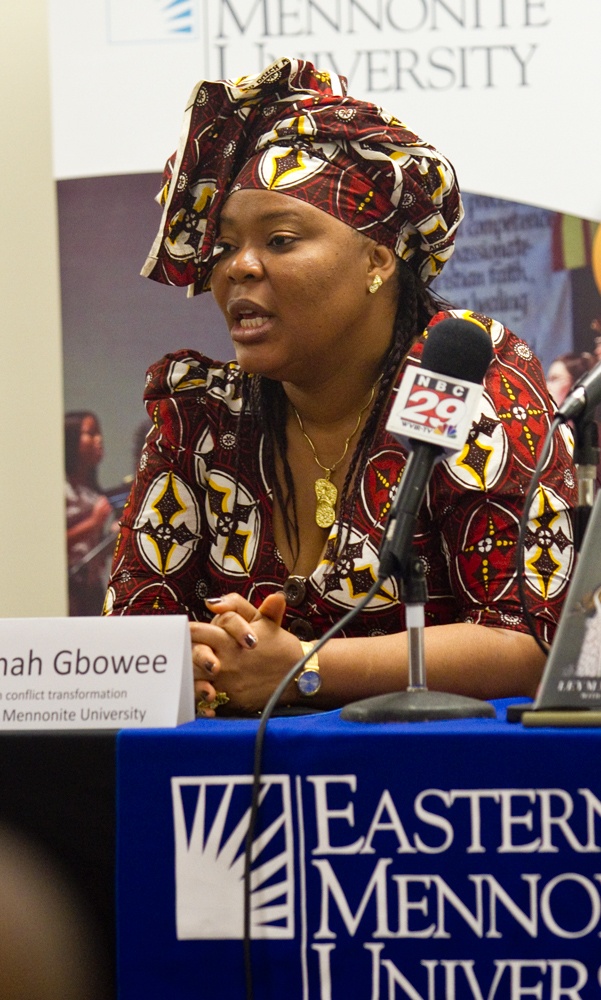


Background and rise to activism
Gbowee grew up in Liberia during years of political upheaval and conflict. She became active in community work addressing the needs of women and children affected by war and displacement. In the early 2000s she emerged as a central figure in a cross‑faith coalition often known as the Women of Liberia Mass Action for Peace, which brought together ordinary women from diverse ethnic and religious backgrounds to demand an end to the fighting.
Methods and achievements
The movement she helped lead used steady, nonviolent tactics: mass prayers, sit‑ins at peace talks, public demonstrations, and creative social pressure. Reports from the period describe coordinated actions aimed at shaming and isolating combatants and politicians, including a highly publicized campaign that encouraged husbands and combatants to consider the demands of their families. These tactics helped sustain international attention and local pressure until negotiators reached agreement.
Organizations and later work
Following the peace process, Gbowee continued to work on reconstruction, psychosocial support and women’s political participation. She founded and directed programs focused on women’s leadership and youth empowerment, including the Gbowee Peace Foundation Africa, which trains community leaders in reconciliation and civic engagement. She has also worked with regional and international networks on conflict prevention and peacebuilding.
Publications, recognition and impact
Gbowee published a memoir describing the movement and its methods, which underscores the role of organized female leadership and grassroots mobilization in political change. In 2011 she was awarded the Nobel Peace Prize jointly with Ellen Johnson Sirleaf and Tawakkol Karman for their non‑violent struggle for women’s rights and participation in peace processes. The prize highlighted the importance of civic action in securing security and rights for women.
- Her approach emphasized interfaith cooperation, grassroots organizing and community healing.
- She is frequently cited in studies of gender, peacebuilding and civil resistance.
- Her work has influenced training programs for women and youth leaders across West Africa.
Legacy and further resources
Leymah Gbowee’s leadership is studied in peace and gender studies as a practical example of how nonviolent collective action can alter political outcomes and support democratic transition. For general country context see Liberia, and for comparative material on tactics and movements consult resources on peace movements. Her story remains a reference point for discussions about women’s roles in mediation, post‑conflict recovery and civic life.
Related articles
Author
AlegsaOnline.com Leymah Gbowee: Liberian Peace Activist and Nobel Laureate Leandro Alegsa
URL: https://en.alegsaonline.com/art/124332
Sources
- nobelwomensinitiative.org : "Meet Nobel Peace laureate Leymah Gbowee, Nobel Women's Initiative"