
Liberia: West African republic, history, geography and contemporary profile
Overview of Liberia: location, people, history from its founding by freed American settlers to modern challenges, economy, governance and notable facts including its ship registry.
The Republic of Liberia is a small West African country located on the Atlantic coast of the continent. It lies along the Gulf of Guinea and is bordered by Sierra Leone, Guinea and the Ivory Coast. The nation’s capital, Monrovia, is the largest city and principal port. Liberia has a population of roughly five million people and occupies an area comparable to a mid‑sized nation in West Africa.
Image gallery
10 Images


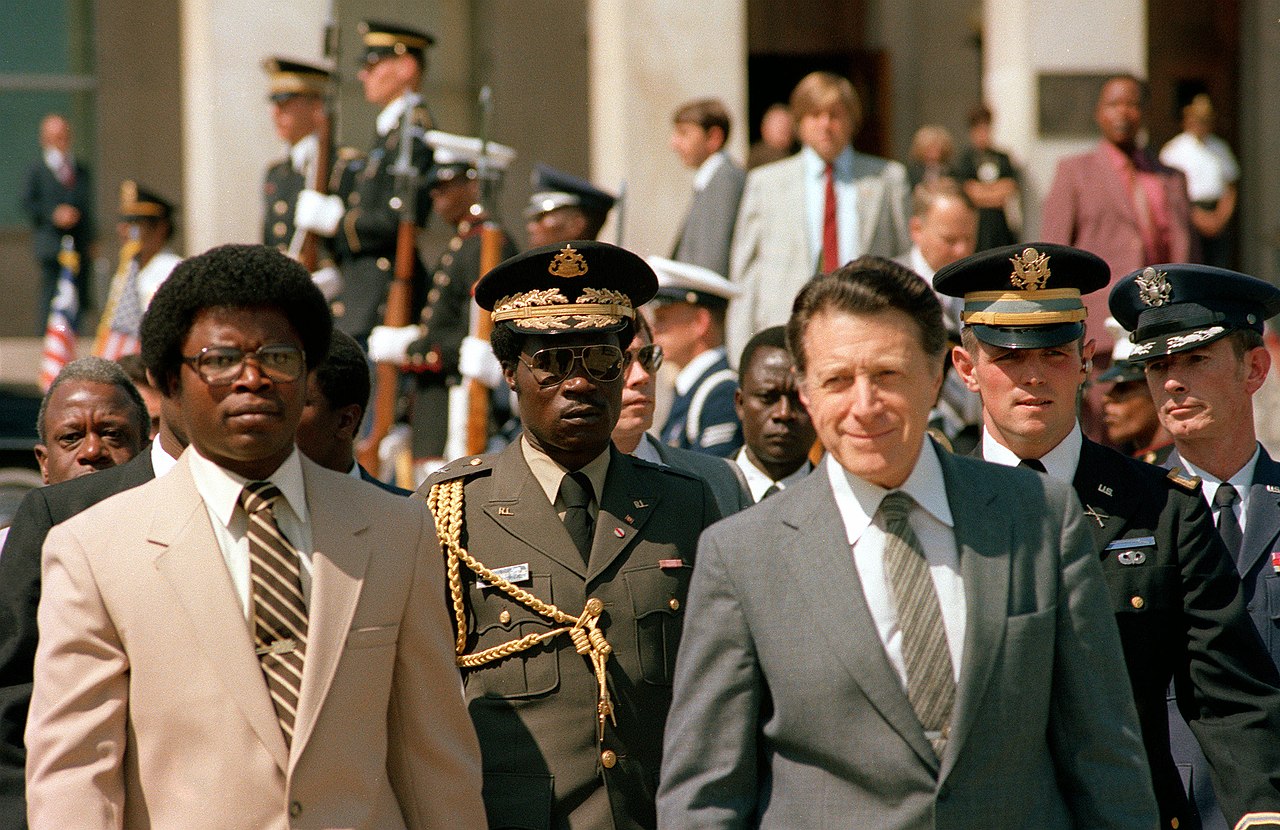


Geography and demographics
Liberia’s landscape includes a narrow coastal plain, extensive rainforest in the interior and savanna toward the northern border. The climate is tropical with a wet season and a dry season. The population is ethnically diverse, composed of numerous indigenous groups alongside descendants of freed African American settlers known as Americo‑Liberians; English is the official language and several indigenous languages are widely spoken.
History and development
The territory that became Liberia was settled in the early 19th century by freed and formerly enslaved people from the United States under the auspices of the American Colonization Society. A republic was proclaimed in 1847 with a constitution and institutions modeled in part on the United States. That settlement history produced social and political divisions between settlers and indigenous communities. Liberia experienced military coups and prolonged civil conflicts in the late 20th and early 21st centuries; since the 2000s it has worked toward recovery and institutional rebuilding.
Government, economy and society
Liberia is a presidential republic with an elected president and legislature. Its economy is largely based on agriculture, extractive industries and forestry; historically important exports include rubber, timber and iron ore. The national currency is the Liberian dollar, although the United States dollar is also widely used. Liberia’s maritime sector is notable because the country operates one of the world’s largest open ship registries: many vessels are registered under Liberia’s flag for commercial and administrative reasons, a practice often described as a flag of convenience.
Uses, importance and contemporary issues
Liberia plays a regional role in West Africa and participates in multilateral organizations. The country’s natural resources, ports and strategic Atlantic coast give it economic potential, but development is constrained by infrastructure deficits, public health challenges and the legacies of conflict. Efforts to strengthen education, health services and governance have been central to post‑conflict recovery.
Notable facts and distinctions
- Liberia declared independence in 1847 and was founded by settlers from the United States; Monrovia is named after U.S. President James Monroe.
- The nation’s social history includes the long‑standing presence of Americo‑Liberians and many indigenous ethnic groups, shaping politics and culture.
- Its maritime registry is among the largest internationally, and the country maintains important coastal ports and shipping infrastructure.
For maps, official information and further reading see national and regional resources and the capital city pages such as coastal and geographic overview and administrative sources about Monrovia. Additional context on neighboring states can be found through regional references for Sierra Leone, Guinea and the Ivory Coast.
Questions and answers
Q: What is the size of Liberia?
A: Liberia has a size of about 520 kilometres (320 mi) by 270 kilometres (170 mi).
Q: How many people live in Liberia?
A: As of 2021, there are about 5,000,000 people in Liberia.
Q: What is the capital city of Liberia?
A: The capital city of Liberia is Monrovia.
Q: What countries does Liberia share common borders with?
A: Liberia has common borders with Sierra Leone, Guinea, and Ivory Coast.
Q: Is Liberia a flag of convenience for ships?
A: Yes, for ships, Liberia is a flag of convenience.
Q: Where is the Republic of Libera located?
A: The Republic of Libera is located on the coast of West Africa.
Related articles
Author
AlegsaOnline.com Liberia: West African republic, history, geography and contemporary profile Leandro Alegsa
URL: https://en.alegsaonline.com/art/57733