
Tawakel Karman: Yemeni activist, journalist and Nobel laureate
Tawakel Karman is a Yemeni journalist and human-rights activist who rose to prominence during the 2011 Arab Spring. She co-founded a media freedom group and shared the 2011 Nobel Peace Prize for nonviolent struggle for democracy.
Overview
Tawakel Karman (born 7 February 1979) is a Yemeni journalist, human-rights advocate and political activist who became internationally known during the 2011 uprisings connected to the Arab Spring. Working as a campaigner for press freedom, women's rights and peaceful protest, she attracted attention inside Yemen and abroad for her leadership in demonstrations, public speaking and civil-society organizing. She shared the 2011 Nobel Peace Prize with two other women for their nonviolent struggle for safety, rights and democratic reform.
Image gallery
7 Images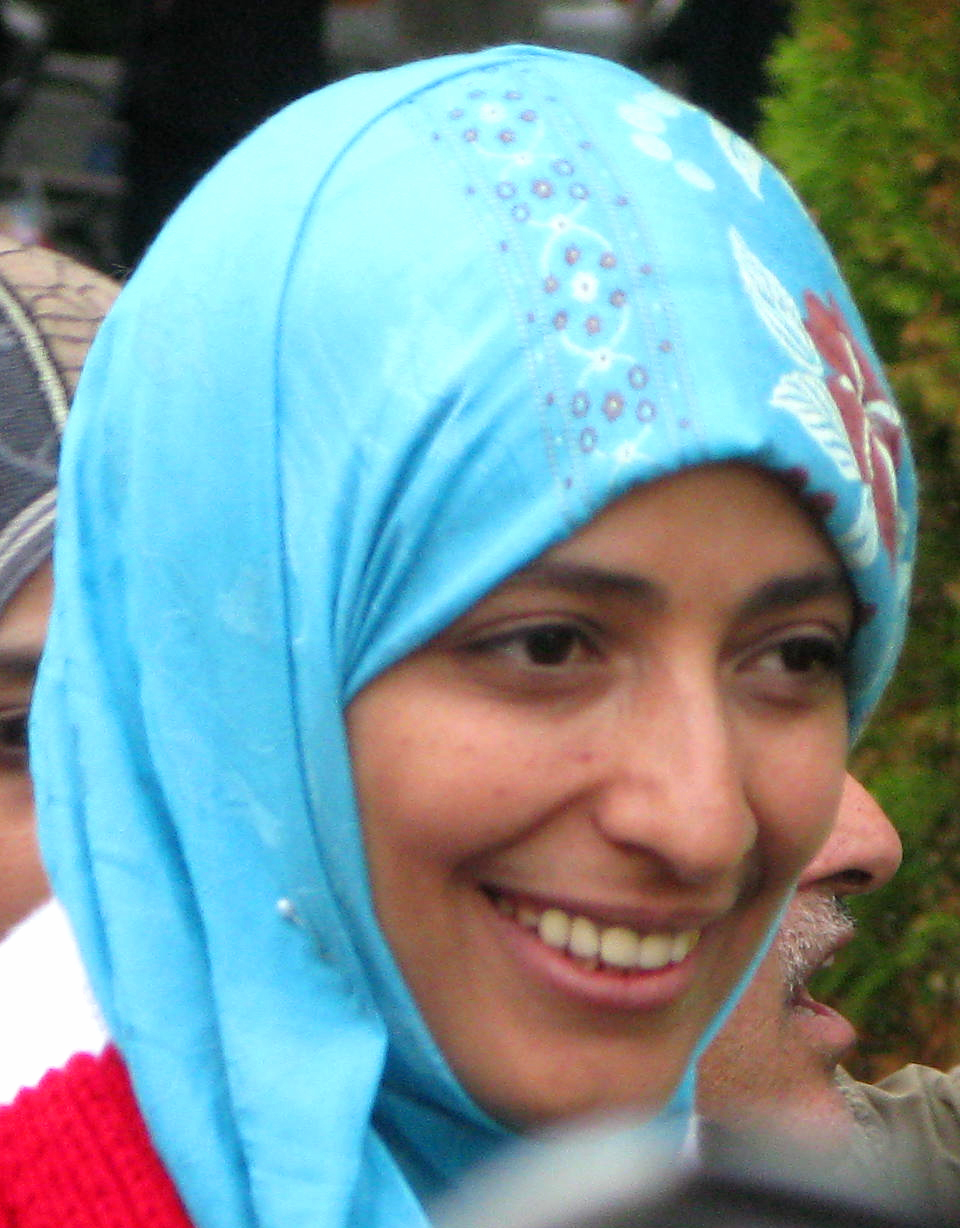


Early life and education
Born in Taiz, Yemen, Karman studied and began her career as a journalist and public commentator. She entered public life through reporting, writing and organizing, using media and grassroots networks to press for change in a country facing political instability, economic hardship and restricted freedoms.
Activism and organizations
In the mid-2000s Karman co-founded Women Journalists Without Chains, an organization aimed at defending freedom of expression and defending journalists from harassment and censorship. Through public rallies, petitions and online reporting she helped draw attention to abuses and to the role of women in public life. Her methods combined street protest, media advocacy and legal campaigning; she was detained on occasions by Yemeni authorities and was known for persistent, nonviolent resistance.
Role in the 2011 uprising and public image
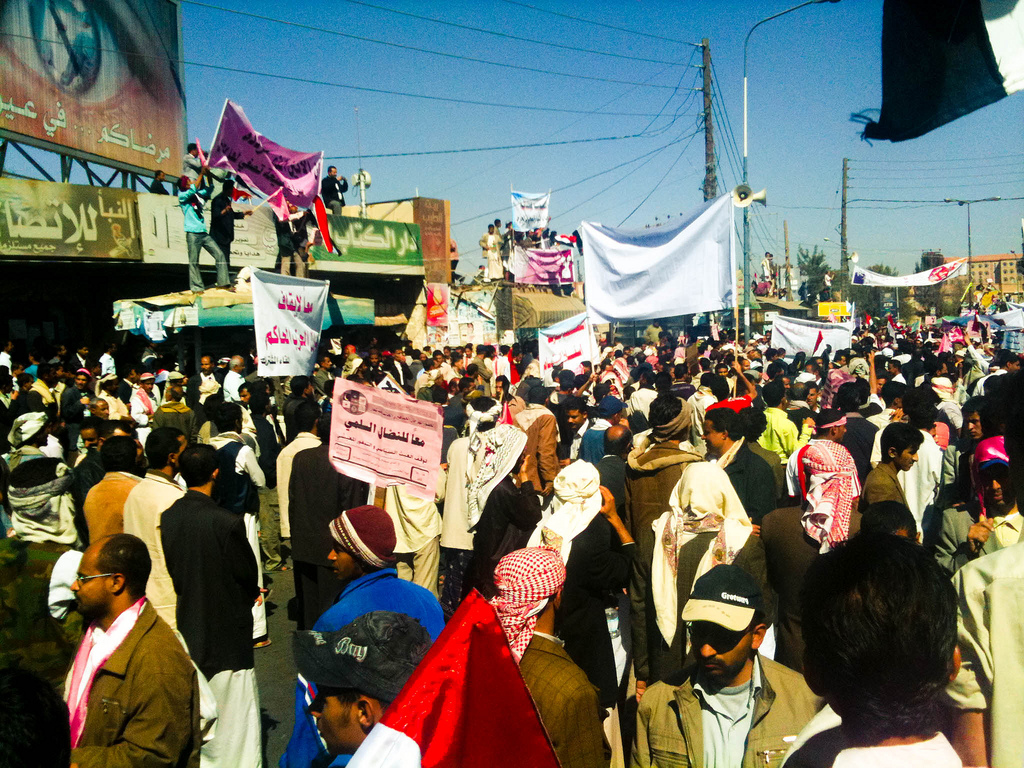
During the 2011 protests that challenged Yemen's long-ruling president, Karman emerged as one of the visible leaders demanding political reform. Supporters gave her nicknames such as "Mother of the Revolution" and "Iron Woman" to reflect her prominence and resilience. Her visibility made her both an emblem of popular demands and a target for criticism from political opponents.
Nobel Peace Prize and recognition
In 2011 the Nobel Committee awarded Karman the Peace Prize together with two African women for their nonviolent struggle for women's safety and for the promotion of democratic change. She became the first Yemeni and the first Arab woman to receive the Nobel Peace Prize; the award amplified her international platform and brought wider attention to Yemen's political crisis and to issues of press freedom.
Significance, controversies and later activities
Karman is widely recognized for advancing the role of women in Middle Eastern politics and for highlighting media freedoms. At the same time, she has drawn debate over political positions and alliances common to prominent activists operating in volatile contexts. After 2011 she continued public advocacy, speaking internationally and participating in human-rights forums. Her career illustrates how grassroots activism, media work and international recognition can combine to shape both national movements and global conversations about democracy and rights.
- Notable facts: Nobel Peace Prize 2011; first Yemeni Nobel laureate.
- Fields: journalism, human rights, civic activism.
- More on the Nobel award and citations.
Questions and answers
Q: Who is Tawakel Karman?
A: Tawakel Karman is a Yemeni activist who rose to global prominence as a leader in the 2011 Yemeni uprising and was awarded the Nobel Peace Prize in the same year.
Q: What is Tawakel Karman's nickname in Yemen?
A: In Yemen, Tawakel Karman is referred to as the "Iron Woman" and "Mother of the Revolution".
Q: What was Tawakel Karman awarded in 2011?
A: Tawakel Karman was awarded the Nobel Peace Prize in 2011, along with two other women.
Q: What was Tawakel Karman's contribution to the Arab Spring?
A: Tawakel Karman was a leader in the 2011 Yemeni uprising which was part of the Arab Spring movement.
Q: What makes Tawakel Karman's Nobel Peace Prize win special?
A: Tawakel Karman is the first Yemeni and the first Arab woman to win the Nobel Peace Prize. Additionally, she is the second Muslim woman to win any Nobel Prize and the youngest Nobel Peace Laureate.
Q: When was Tawakel Karman born?
A: Tawakel Karman was born on February 7, 1979.
Q: What is Tawakel Karman's legacy?
A: Tawakel Karman's legacy is that of a fearless and empowering activist who, through her leadership during the Arab Spring and her subsequent Nobel Peace Prize win, has become a symbol of hope and progress for women's rights in Yemen and the Arab world.
Author
AlegsaOnline.com Tawakel Karman: Yemeni activist, journalist and Nobel laureate Leandro Alegsa
URL: https://en.alegsaonline.com/art/131623