
Lee Ae-ran (이애란)
Lee Ae-ran (born 1964) is a Korean activist known for advocacy on behalf of North Korean defectors and for receiving the 2010 International Women of Courage Award.
Overview
Lee Ae-ran (Hangul: 이애란; born 1964) is a Korean activist recognized for her work on human rights and community support for people who left North Korea. She is frequently described in media and official citations as a South Korean activist whose personal experience and advocacy have focused on improving conditions for defectors and raising awareness of human rights issues on the Korean peninsula. Her name is sometimes romanized as I Aeran or Ri Aeran.
Image gallery
1 Image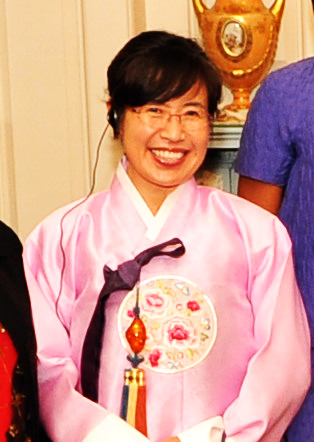
Work and focus
Lee Ae-ran's efforts concentrate on social integration, education, and advocacy. Public descriptions of her activities emphasize assistance to newcomers arriving from the North, programs that help with basic needs and employment, and efforts to inform broader society about the specific challenges faced by escapees and refugees. She has combined grassroots support with public speaking and outreach to build wider understanding.
Activities and methods
Her practical work typically includes a mix of direct services and advocacy. Common elements associated with her approach are:
- Community-based counseling and peer support for defectors.
- Programs aimed at language, vocational skills, and cultural orientation.
- Public education and media engagement to highlight human rights concerns.
Recognition
In 2010 Lee Ae-ran received international recognition when she was honored with the International Women of Courage Award. This award acknowledged her leadership and persistent efforts to assist vulnerable populations and to bring attention to human rights and migration issues in and beyond Korea.
Significance and distinctions
Lee Ae-ran is notable both as a woman leader and as an advocate whose work links individual support with policy-level awareness. Accounts of her career often highlight the dual role of providing day-to-day help while also engaging in broader advocacy. For more contextual information about activists in this field and related initiatives, see resources identified under the term activist.
Legacy
Her recognition in 2010 helped place the experiences of North Korean defectors on an international stage and encouraged similar support efforts. Lee Ae-ran's combination of practical assistance and public advocacy remains a reference point for those studying civil society responses to forced migration and human rights in Northeast Asia.
Related articles
Author
AlegsaOnline.com Lee Ae-ran (이애란) Leandro Alegsa
URL: https://en.alegsaonline.com/art/124148
Sources
- 2009-2017.state.gov : "2010 International Women of Courage Award"
- iipdigital.ait.org.tw : "Lee Ae-ran Helps North Koreans Build a Brighter Future | IIP Digital"
- mouonekorea.wordpress.com : "In the News – North Korean defectors emerge from periphery | MOU OneKorea"
- archive.episcopalchurch.org : "Episcopal News Service – DIOCESAN DIGEST"
- books.google.com : De-Bordering Korea: Tangible and Intangible Legacies of the Sunshine Policy
- state.gov : "Dr. Lee Ae-ran, Republic of Korea"