
Kwame Nkrumah — Ghanaian leader and advocate of African unity
Kwame Nkrumah (1909–1972) led Ghana to independence, served as its first prime minister and president, and was a leading advocate of Pan-Africanism and state-led development across postcolonial Africa.
Overview
Kwame Nkrumah (born Francis Nwia‑Kofi Ngonloma; 21 September 1909 – 27 April 1972) was a prominent political leader and organizer who led the Gold Coast to independence and became the first Prime Minister and later President of Ghana. He is best remembered for promoting economic modernization at home and arguing for a united Africa in his writings and diplomacy.
Image gallery
10 Images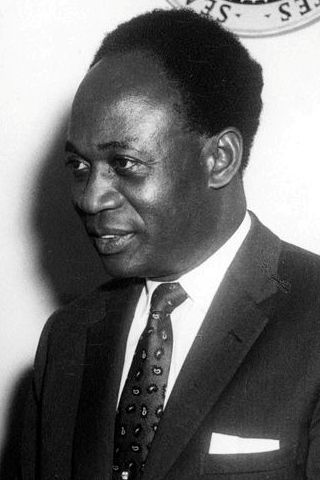




Early life and rise to leadership
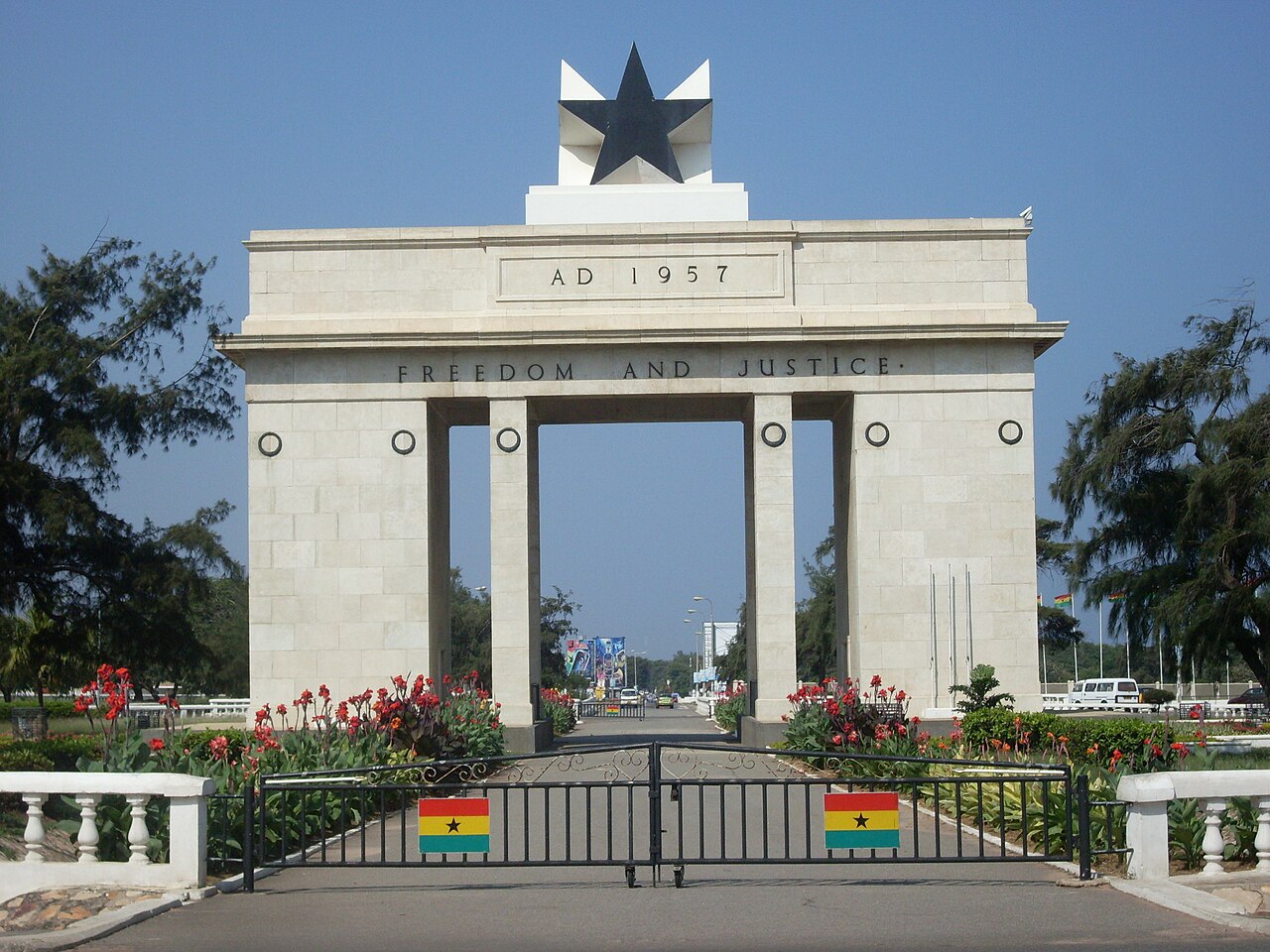
Born in what was then the British colony, Nkrumah was educated locally before studying abroad. He taught and worked as an activist on returning to the Gold Coast, organizing mass movements and founding the Convention People's Party (CPP). After years of campaigning, civil mobilization and an electoral victory in 1951, he guided constitutional negotiations that culminated in formal independence on 6 March 1957, ending decades of British colonial rule.
Policies and governance
Nkrumah combined nationalist rhetoric with a program of state-led industrialization, large public projects, and expanded education and health services. His government pursued ambitious infrastructure plans and used centralized authority to direct investment. Critics and supporters alike note his belief in planned development and in non‑aligned international relations during the Cold War.
Controversies and overthrow
As his rule progressed, Nkrumah concentrated power, curtailed opposition and enacted security laws that allowed detention without trial. Economic challenges and political tensions contributed to unrest. In February 1966 a military and police coup removed him from office while he was abroad; he lived the remainder of his life in exile, continuing to write on African unity and socialism.
Legacy and significance
Nkrumah's legacy is complex: he is celebrated as the founder of modern Ghana and a leading voice of Pan‑Africanism, and he influenced the creation of continental institutions and liberation movements. At the same time, debates continue over his authoritarian methods and economic outcomes. His major books and speeches remain reference points for scholars of decolonization and African integration.
Notable facts
- Led the CPP to a decisive electoral victory and Ghanaian independence in 1957.
- Advocated African unity internationally and hosted or supported pan‑African initiatives; see writings on Pan‑African ideas.
- Spent final years in exile after the 1966 coup and continued to influence thinkers across the continent.
For further reading and primary documents, consult collections of his speeches, the Convention People's Party archives, and scholarly treatments of decolonization and African political thought (Pan‑Africanism, political, President, Ghana, campaigning, British).
Questions and answers
Q: Who was Kwame Nkrumah?
A: Kwame Nkrumah was an African political leader who served as the first Prime Minister and President of Ghana.
Q: What was Nkrumah's vision for Africa?
A: Nkrumah imagined a united Africa.
Q: When was Nkrumah elected president?
A: Nkrumah was elected president on March 6, 1957.
Q: How long did Nkrumah campaign for Ghanaian independence?
A: Nkrumah campaigned for Ghanaian independence for ten years.
Q: What is significant about March 6, 1957 in Ghana's history?
A: On March 6, 1957, Ghana gained independence from British rule.
Q: What was Nkrumah's original name?
A: Nkrumah's original name was Francis Nwia-Kofi Ngonloma.
Q: When did Nkrumah pass away?
A: Nkrumah passed away on April 27, 1972.
Related articles
Author
AlegsaOnline.com Kwame Nkrumah — Ghanaian leader and advocate of African unity Leandro Alegsa
URL: https://en.alegsaonline.com/art/123914
Sources
- africawithin.com : "Biography of Kwame Nkrumah"
- ghanaweb.com : "Nkrumah and the Big Six"
- graphic.com.gh : "Biography of Ghana’s first President, Dr Kwame Nkrumah"
- myjoyonline.com : "Full text: First independence speech by Kwame Nkrumah"
- ghanaweb.com : "Christianity In The Ghanaian State In The Past Fifty Years"
- stlouissigmas.com : stlouissigmas.com
- britannica.com : "Kwame Nkrumah: president of Ghana"