
Kim Novak: American actress, artist, and cultural figure
Summary of Kim Novak (born 1933): her early life in Chicago, breakthrough film roles (notably Vertigo), later artistic work, personal life and legacy in classic Hollywood cinema.
Overview
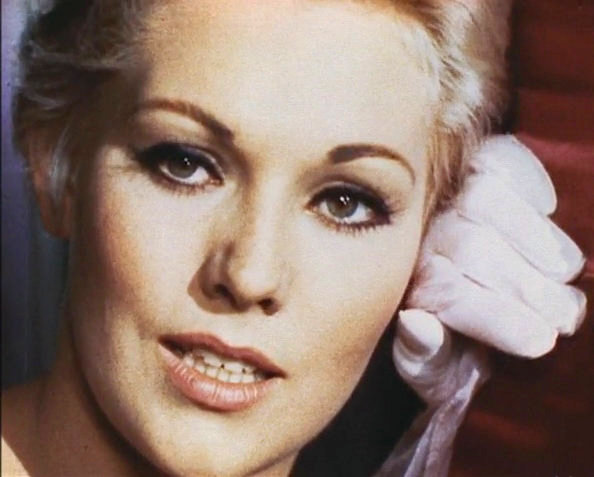
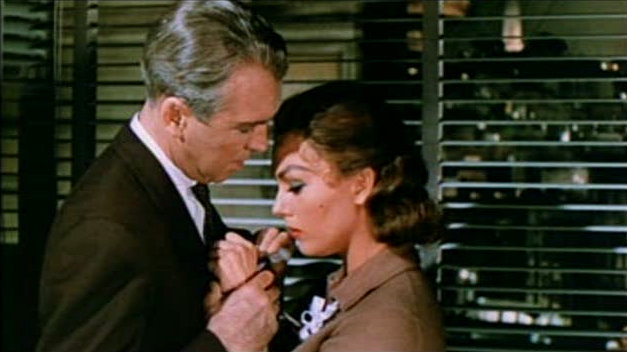
Kim Novak (born February 13, 1933) is an American actress and visual artist whose work in the 1950s and 1960s made her one of the most recognisable figures of classic Hollywood. She became internationally known for her performance in Alfred Hitchcock's Vertigo (1958), a film that has been the subject of sustained critical reassessment. Novak combined a carefully crafted screen persona with an evident interest in painting and other visual arts, and she often sought to keep her private life separate from her public profile.
Image gallery
7 Images



Early life and education
Novak was born in Chicago, Illinois, to parents of Central European background; she has described her family as of Czech descent. She attended David Glasgow Farragut High School and later pursued formal art studies at the School of the Art Institute of Chicago. Before entering motion pictures she worked as a model and studied painting, training that informed her later life when she returned to visual art after reducing her screen work.
Film career and major roles
Novak's screen career began in the 1950s when she signed with a major studio and moved into larger character and leading roles. Her portrayal in Vertigo as a mysterious dual role remains her most discussed performance, often cited in debates about film style and star image. In addition to Vertigo, she appeared in commercially and critically notable films such as Picnic, Middle of the Night (1959), The Notorious Landlady (1962), and a mid-1960s version of Of Human Bondage. After the 1960s Novak stepped back from constant studio work and accepted only select projects, later appearing in films such as Liebestraum (1991).
Artistic work and later projects
Alongside acting, Novak developed a parallel career as a painter. Her training at the art institute and long-standing interest in visual composition led her to exhibit paintings and to speak about art in later decades. She has been described both as a movie star and as a serious visual artist, a dual identity that she cultivated by limiting publicity and choosing projects selectively.
Personal life and health
Novak's personal life was kept relatively private. She was briefly married to actor Richard Johnson in the mid-1960s. In 1976 she married Robert Malloy; the couple long maintained a residence in Eagle Point, Oregon, where they have lived away from the Hollywood spotlight. In 2010 Novak disclosed a diagnosis of breast cancer; she received treatment and later reported that she had recovered and returned to painting and occasional public appearances.
Legacy and critical reception
Kim Novak is often discussed in film history as an example of a mid-20th-century star who resisted total assimilation into the studio system. Her work in Vertigo in particular has been re-evaluated by critics and scholars, contributing to renewed interest in her career. Observers note her cool, enigmatic screen persona and the tensions between public image and private autonomy that marked her choices. Her paintings and selective return to acting in later decades have reinforced a reputation as an artist who prioritized personal and creative control.
Selected filmography
- Picnic (breakthrough role, mid-1950s)
- Vertigo (1958)
- Middle of the Night (1959)
- The Notorious Landlady (1962)
- Of Human Bondage (1964)
- Liebestraum (1991)
This overview summarises widely reported aspects of Novak's life and career. For detailed credits, interviews, exhibition listings and archival materials consult film histories, museum catalogues and reliable biographical sources that document classic Hollywood careers and post-screen artistic activity.
Related articles
Author
AlegsaOnline.com Kim Novak: American actress, artist, and cultural figure Leandro Alegsa
URL: https://en.alegsaonline.com/art/123752
Sources
- featuresblogs.chicagotribune.com : "Kim Novak:The road from Chicago"