
Vertigo (1958 film)
Alfred Hitchcock's 1958 psychological thriller starring James Stewart and Kim Novak. A study of obsession, identity and cinematic technique that grew from mixed reviews to wide acclaim and lasting influence.
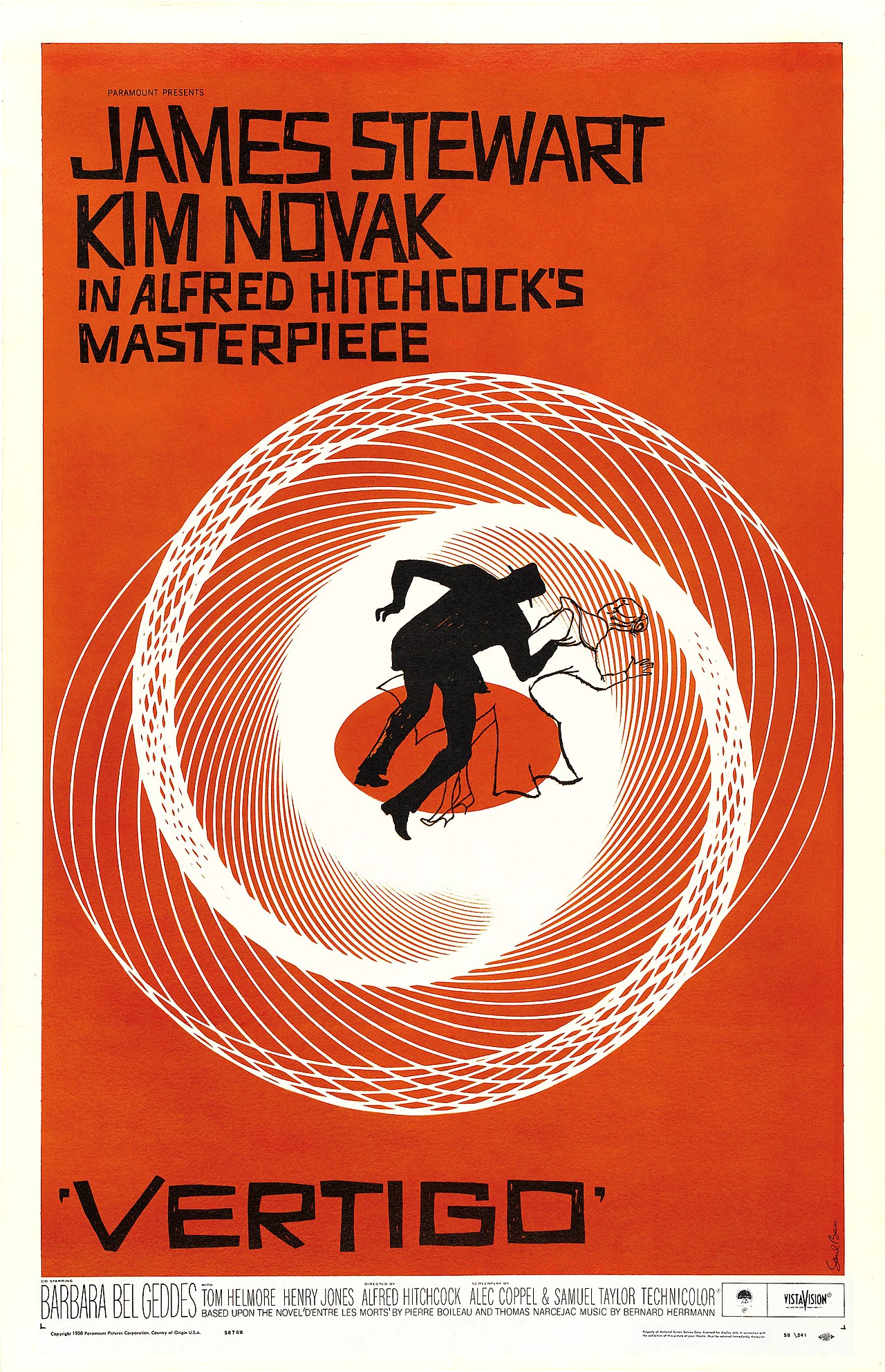
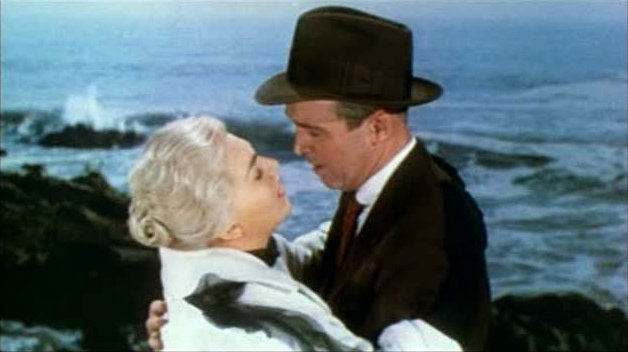
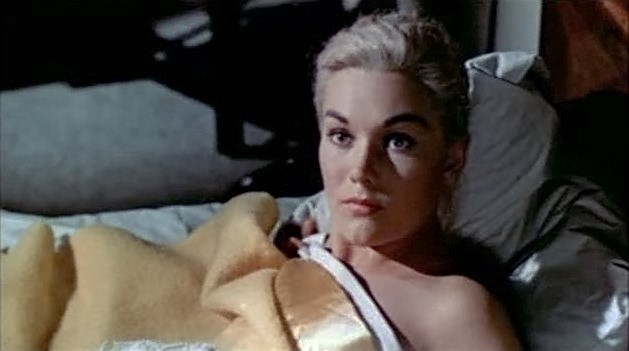
Vertigo is a 1958 American psychological thriller directed by Alfred Hitchcock and starring James Stewart and Kim Novak. The film blends mystery, romance and psychoanalytic themes to follow a retired detective drawn into a troubling investigation that becomes intensely personal. Its combination of narrative ambiguity, visual style and score has made it one of the most examined films in cinema history.
Image gallery
10 Images


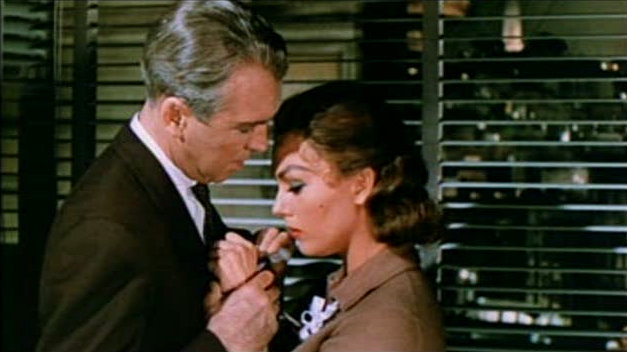
Synopsis and central themes
At its core the story follows an investigator who, after a traumatic incident, develops an obsession with a woman he is hired to follow. Vertigo explores recurring motifs such as obsession, identity, memory, and the male gaze. Rather than offering tidy resolutions, the film emphasizes psychological conflict and the ways perception and desire reshape reality.
Style, music and filmcraft
Vertigo is widely noted for its distinctive cinematography and sound design. The visual palette uses color and composition to mirror the protagonist's inner state; camera movement and editing create a sense of disorientation. Composer Bernard Herrmann's score is integral to the mood, intensifying suspense and emotional unease.
- Innovative camera technique often called the "dolly zoom" is associated with the film's attempt to render vertiginous sensation.
- Cinematography, production design and costumes work together to define time and psychology.
- Performance choices by the leads emphasize vulnerability, control and shifting identities.
Production, release and critical history
Upon release the picture drew mixed critical reactions and modest box-office returns, but it attracted growing scholarly and critical interest over decades. Restoration work and re-evaluation in the late 20th century helped cement its reputation. The film appears on multiple American film registries and critic lists and is often cited in discussions of Hitchcock's artistic peak. Institutions such as the American Film Institute and the National Film Registry have recognized its cultural and historical significance.
Legacy and influence
Vertigo's influence extends to filmmakers, film theory and popular culture. It is frequently studied for its narrative structure, psychological depth and formal innovations. While debate continues about its place in the cinematic canon, many critics and polls have placed it among the greatest films ever made, and it remains a central work for anyone interested in the interplay of story, image and psychology.
Author
AlegsaOnline.com Vertigo (1958 film) Leandro Alegsa
URL: https://en.alegsaonline.com/art/104762