
Kim Philby: British Intelligence Officer and Soviet Double Agent
Profile of Harold 'Kim' Philby — his recruitment in the 1930s, activities as a Soviet mole within British intelligence, exposure, 1963 defection to the USSR, and historical impact.
Overview
Harold Adrian Russell "Kim" Philby (1 January 1912 – 11 May 1988) was a senior British intelligence officer who acted for decades as a covert agent for the Soviet Union. Recruited while a student in the 1930s, he later occupied positions that gave him access to highly sensitive information and used that access to inform his handlers in Moscow. Philby is commonly named as the most effective member of the Cambridge Five spy ring and his case became one of the Cold War's most notorious espionage scandals.
Image gallery
2 Images
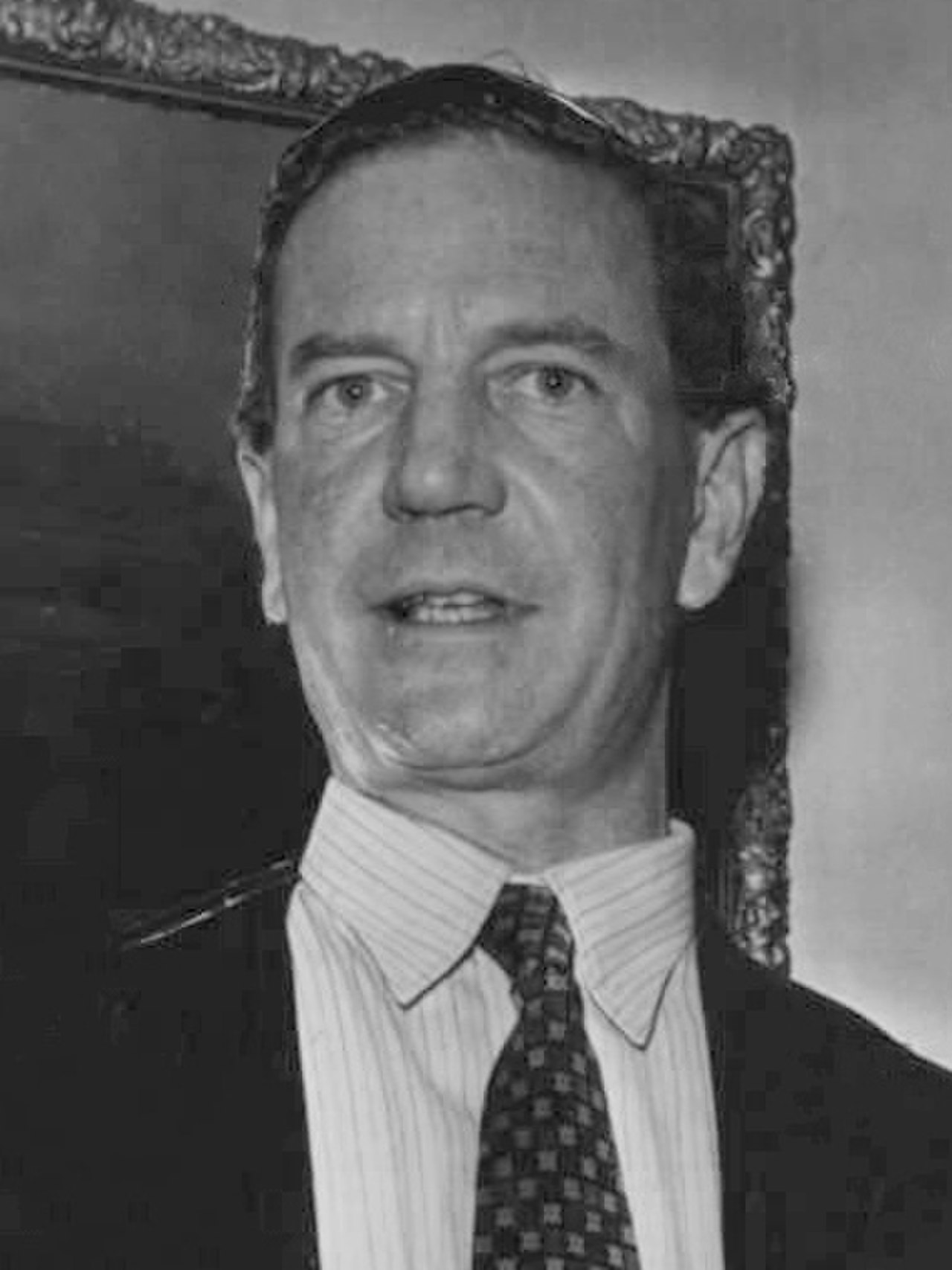
Early life and recruitment
Philby was born in British India and educated in Britain, where he moved in social and academic circles that produced several recruits to Soviet intelligence. He began clandestine cooperation with Soviet intelligence in the mid-1930s; his motives have been described in terms of political sympathy, opposition to fascism and attraction to Marxist ideas prevalent among some intellectuals of the period. His recruitment and early activity occurred before he entered senior roles in British institutions.
Career within British services
After wartime and postwar service in various government roles, Philby joined sections of the British security services where he gained the confidence of colleagues and ministers. From these posts he was able to influence operations, vet recruits and access correspondence and reports. He maintained the outward appearance of a loyal officer while clandestinely transmitting material and assessments to Soviet handlers.
Operations, methods and consequences
Philby's methods combined close personal relationships, professional credibility and an intimate knowledge of his service's tradecraft. He is reported to have provided Soviet intelligence with a substantial volume of documents and with warnings about British counterintelligence actions. Historians and former practitioners credit his activities with compromising operations, endangering lives, and forcing Western services to change practices and reorganize counterintelligence efforts.
Exposure and confrontation
Suspicion about Philby grew over time as defections and leaks abroad suggested a high-placed mole. The defection of Anatoliy Golitsyn, a Soviet intelligence officer, in 1961 provided information that increasingly pointed to Philby. In 1963 MI6 despatched Nicholas Elliott to confront him in Beirut; the meeting and subsequent exchanges are central episodes in accounts of his exposure. Although some reports say Philby admitted elements of his betrayal during interrogation, he had by then reason to fear forced removal.
Defection to the Soviet Union
Facing arrest or abduction and confident that his communications were monitored, Philby left Beirut in early 1963 and made his way to a Soviet ship, ultimately arriving in the USSR where he remained for the rest of his life. In Moscow he was publicly presented as a hero by Soviet authorities, given a work role advising on intelligence matters and awarded honors. His defection confirmed long-standing suspicions in Britain and intensified debate over internal security and recruitment procedures.
Later life, reception and debate
Philby's later years in the Soviet Union were marked by official recognition mixed with periods of isolation and debate about his motives. In Britain and among Western intelligence communities his name became shorthand for failed counterintelligence. The Philby case prompted inquiries into vetting, compartmentation of information and the risks of ideological recruitment. He remains a focal point in studies of espionage, loyalty and the moral complexities of the Cold War.
Significance and resources
- Context: Philby is associated with the broader story of the Cambridge spy ring and Cold War penetration of Western services; see materials on British intelligence for context.
- Role: Often described as a double agent, he served in British agencies while delivering information to the Soviet Union.
- Positions: Worked in posts that made him an influential intelligence officer and allowed access to operational files; his Soviet contacts are commonly linked with the KGB.
- Exposure: The confrontation in Beirut and the risk of being abducted in Lebanon precipitated his escape aboard a Soviet freighter.
- Further reading: Scholarly and journalistic accounts examine his motivations, the practical damage caused by his betrayals, and the institutional lessons learned; consult reference works and archived materials linked to intelligence history.
Questions and answers
Q: Who is Kim Philby?
A: Kim Philby was a British intelligence officer who worked as a spy for the Soviet Union and later defected in 1963.
Q: When did Philby start working as a spy for the Soviet Union?
A: Philby began his work for the Soviet Union as a spy in 1934.
Q: How long did Philby work for the KGB?
A: Philby served the KGB for 54 years.
Q: How many British documents did Philby pass to the KGB?
A: Philby passed over 900 British documents to the KGB.
Q: Was Philby a double agent?
A: Yes, Philby served as a double agent.
Q: Was Philby believed to be the most successful spy among the Cambridge Five spy ring?
A: Yes, of the five spies in the Cambridge Five spy ring, Philby was believed to have been the most successful at passing information to the Soviet Union.
Q: How did Philby defect to the Soviet Union?
A: Philby fled, under cover of night, to a Soviet freighter after allegedly confessing to an MI6 officer in 1963 and fearing he might be abducted in Lebanon.
Related articles
Author
AlegsaOnline.com Kim Philby: British Intelligence Officer and Soviet Double Agent Leandro Alegsa
URL: https://en.alegsaonline.com/art/123753
Sources
- telegraph.co.uk : "Five of the most notable defections"
- theguardian.com : "Spy Kim Philby died disillusioned with communism"