
Kgalema Motlanthe
South African politician Kgalema Motlanthe served as interim President (2008–2009) and later as Deputy President (2009–2014). He is noted for anti-apartheid activism, ANC leadership roles, and a reputation for moderation.
Kgalema Motlanthe (born 19 July 1949) is a South African politician and public figure who served as interim President of South Africa from 25 September 2008 to 9 May 2009. He assumed the office after the resignation of Thabo Mbeki and was subsequently appointed Deputy President by Jacob Zuma. Motlanthe is widely regarded for a cautious, consensus-oriented style and for his long association with the African National Congress.
Image gallery
10 Images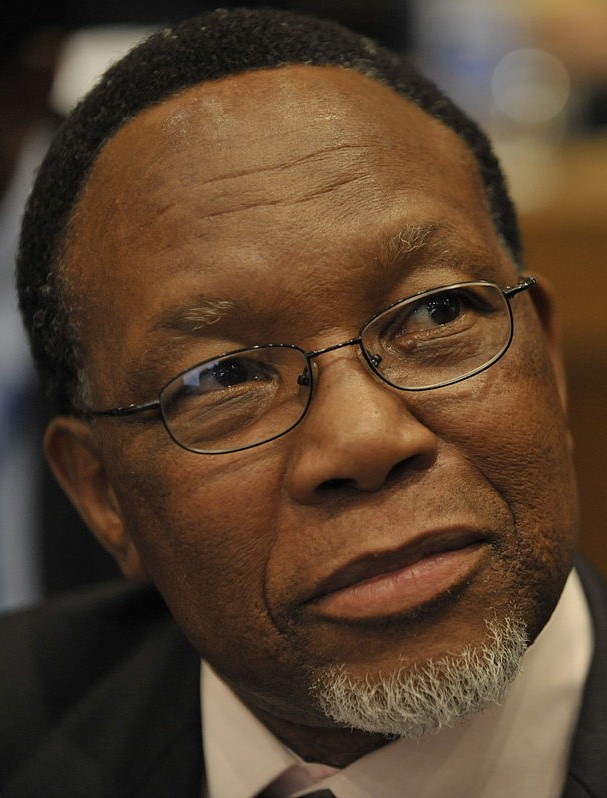




Early life and activism
Motlanthe was born in Boksburg in the Transvaal on 19 July 1949. During the apartheid era he became involved in youth and labour organising and developed links with anti-apartheid networks. Over several decades he built a reputation inside the ANC and allied trade unions as a steady administrator and organiser rather than a flamboyant public figure.
Political career and offices
Motlanthe's national profile rose through positions within the ANC and legislative bodies. His most notable public roles include a brief presidency and a longer term as deputy head of government. Key stages in his career include:
- Service in party structures and union circles during the late 20th century.
- Appointment as interim head of state following a presidential resignation in 2008, a period managed primarily to prepare for a national transfer of power.
- Tenure as Deputy President of South Africa after the 2009 elections, serving in the national executive until 2014.
Presidency and deputy presidency
As interim president he oversaw the transition to a new elected administration and maintained continuity of government. In the following administration he held the deputy presidency, a role in which he was responsible for supporting executive policy implementation and representing the government at home and abroad. In March 2014 he announced his intention to step back from frontline government, and he left the deputy post after that year's electoral cycle.
Legacy and later activity
Motlanthe is often described as a pragmatic and moderate leader who favoured institutional stability and dialogue. After leaving the deputy presidency he remained active in public life, contributing to party debates and national conversations about governance, accountability and social policy. Observers note his background in organising and his low-key public manner as distinctive features of his political identity.
For further authoritative accounts of his life and public service see party publications and major journalistic biographies; for official records of his offices consult government archives and parliamentary sources. Related names and events from his career include Thabo Mbeki and broader developments within the ANC and South African government during the early 21st century.
Selected reading and reference links: political profile, presidential chronology, related figures, successor administration.
Related articles
Author
AlegsaOnline.com Kgalema Motlanthe Leandro Alegsa
URL: https://en.alegsaonline.com/art/123683
Sources
- news.bbc.co.uk : news.bbc.co.uk
- 196.35.74.238 : "Zuma sworn in as SA's fourth democratic President"