
Kenzaburō Ōe: life, themes, major works and legacy
Japanese novelist and public intellectual Kenzaburō Ōe (born 1935) explored postwar society, personal responsibility and disability in acclaimed novels and essays; awarded the 1994 Nobel Prize in Literature.
Kenzaburō Ōe (born January 31, 1935, in Ehime prefecture) is a major figure in postwar Japanese literature. He is best known for novels and essays that combine intimate autobiography, mythic elements and social critique. Ōe received the Nobel Prize in Literature in 1994, an international recognition for a body of work that interrogates contemporary society and human responsibility. For notes on Japanese name order see Japanese name conventions.
Ōe's fiction often transforms personal experience into wider ethical and political questions. Recurring concerns include the aftereffects of war, the responsibilities of adults toward children and society, and the tensions between individual freedom and communal life. Critics frequently note his use of allegory and myth alongside direct, sometimes confessional narration.
Image gallery
6 Images


Personal background and influence
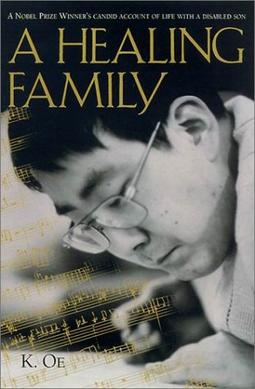
Events in Ōe's own life shaped his subject matter: the birth of a son with a severe disability prompted profound personal reflection and became a central theme in several works, where family life intersects with philosophical and moral inquiry. Beyond his novels, Ōe has been an outspoken public intellectual in debates on culture, memory and policy, using essays and public statements to address issues such as Japan's wartime legacy and nuclear concerns. For biographical summaries see biographical notes.
Notable works and characteristics
- A Personal Matter — a novel that treats a crisis of conscience through close psychological observation and moral questioning.
- The Silent Cry — a work often cited for its exploration of family, history and solitude in modern Japan.
- Hiroshima Notes — a collection of essays and reportage reflecting on war, memory and human suffering.
- Rouse Up O Young Men of the New Age! — a long, reflective narrative engaging with contemporary life and mythic resonance.
These titles show how Ōe moves between novelistic invention and essayistic reflection; he blends intimate moments with broader social commentary. Readers and scholars cite his combination of lyrical intensity, moral seriousness and formal experimentation as hallmarks of his craft. On the distinction of his family name see family name.
Ōe's international reputation rests on translations that have brought his work to a wide audience and on the Nobel Prize, which highlighted his sustained examination of ethical questions through literature. He remains influential in discussions of how fiction can engage with political life and personal obligation. For further categorization of his role as an author see writer.
Related articles
Author
AlegsaOnline.com Kenzaburō Ōe: life, themes, major works and legacy Leandro Alegsa
URL: https://en.alegsaonline.com/art/123592
Sources
- biography.com : "Kenzaburo Oe"
- nobelprize.org : "Kenzaburō Ōe"