
Ken Anderson (professional wrestler)
American professional wrestler Ken Anderson, known as Mr. Kennedy in WWE and Mr. Anderson in TNA/Impact, a mid‑card and main‑event performer noted for his mic work, entrances, and tenure in major U.S. promotions.
Ken Anderson (born March 6, 1976) is an American professional wrestler from Wisconsin Rapids. He is best known for his work under the ring name Mr. Kennedy in WWE and later as Mr. Anderson in TNA/Impact Wrestling. Over a career spanning independent circuits and national television, Anderson has been a prominent presence in televised wrestling since the mid‑2000s.
Image gallery
10 Images

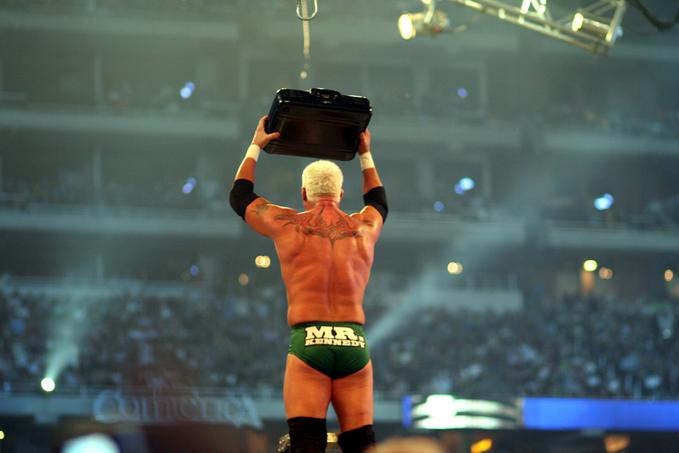



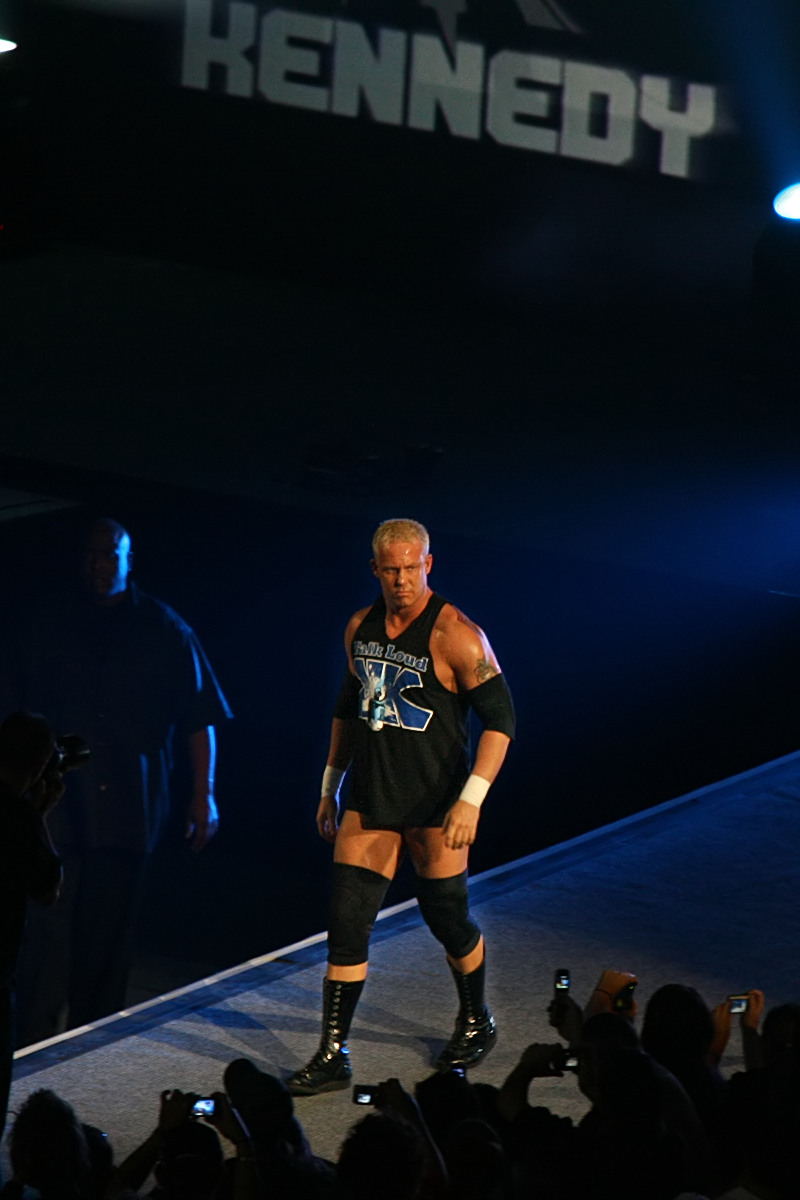


Career overview
Anderson rose through regional and independent promotions before reaching a national audience with WWE in 2005. In that period he developed a distinct on‑stage persona marked by outspoken mic work and a confident entrance. After his WWE release in 2009 — a departure linked in reports to an injury and a backstage incident involving a stiff move with Randy Orton — Anderson signed with TNA where he reinvented aspects of his character and remained a regular competitor for several years.
In‑ring style and persona
Anderson's ring style blends traditional pro‑wrestling techniques with striking and suplexes. He is widely recognized for his capacity on the microphone, using promos and character work to drive storylines. His entrance and catchphrases became part of his public identity, helping him connect with audiences whether he worked as a fan favorite or a heel.
Notable roles and accomplishments
- Worked main‑roster television for WWE and later became a featured performer in TNA/Impact.
- Played both mid‑card and main‑event roles; participated in title programs and televised feuds.
- Known for memorable entrances and persona work that translated between promotions.
Across promotions, Anderson has been involved in headline storylines and title matches; his career illustrates how performers can shift character and presentation when changing companies. He has also appeared in interviews and wrestling‑related media discussing his time on the road and the creative aspects of the business.
Today Anderson is remembered for his charismatic promos and the way his ring identity—first as Mr. Kennedy and later as Mr. Anderson—helped shape televised wrestling segments in the 2000s and 2010s. For more details on specific matches, titles and chronology, consult promotion records and wrestler databases via links such as biographical and promotional archives or interviews found at career summaries, regional histories, and wrestling media pages like fan resources and official promotion pages (profiles, WWE and TNA listings).
For accounts of the circumstances surrounding his WWE departure and later career moves, see contemporary reporting and firsthand interviews that address the reported injury and the incident cited in reports. Those resources provide context without relying on a single account and reflect the often complex nature of wrestling business decisions.
Related articles
Author
AlegsaOnline.com Ken Anderson (professional wrestler) Leandro Alegsa
URL: https://en.alegsaonline.com/art/123595