
Keenan Wynn (1916–1986) — American character actor
Keenan Wynn was a prolific American character actor whose career spanned stage, radio, film and television. He is remembered for vivid supporting performances, including a role in the 1972 thriller The Mechanic.
Keenan Wynn (July 27, 1916 – October 14, 1986) was an American actor widely respected for his work as a character actor. Across several decades he built a reputation for vivid, often scene-stealing supporting portrayals in film, television and on stage. His credits include a variety of dramatic and comic parts and he remained a familiar presence in Hollywood through the 1970s.
Image gallery
5 Images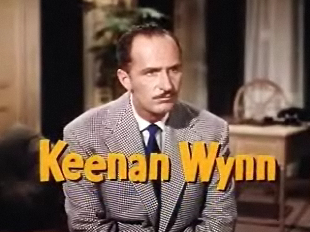


Early life and background
Wynn was born in New York City, in the state of New York. He came from a theatrical family and was introduced to show business at a young age. That upbringing helped shape his versatility: he was comfortable with comedy, straight drama, and the fast-paced demands of live performance.
Career and screen persona
Over the course of his career, Wynn appeared in a large number of supporting roles. He is often remembered for his ability to play cynical, bombastic, or sharply funny characters while still conveying humanity underneath. One of his better-known film appearances was in the 1972 thriller The Mechanic. He worked across multiple media—feature films, television series, radio programs and stage productions—making him a true working character actor of his generation.
- Mediums: film, television, stage, radio.
- Typical roles: comic antagonists, gruff authority figures, eccentric supporting parts.
- Style: punchy delivery, expressive face, reliable scene support.
Colleagues and critics noted his knack for undercutting a scene with a single line or a telling expression. He rarely occupied the leading-man slot, but his steady presence and professionalism made him a go-to choice for directors seeking experienced supporting talent.
Later years and legacy
In later life Wynn continued to work while remaining associated with a long list of film and television credits. He died in Los Angeles after a battle with pancreatic cancer. His passing occurred in Los Angeles, California, at the age of 70.
Today Wynn is remembered as a model of the mid-20th-century American character player: adaptable, prolific, and unmistakable on screen. His career illustrates the important contribution of supporting actors to the texture and memorability of popular film and television.
Related articles
Author
AlegsaOnline.com Keenan Wynn (1916–1986) — American character actor Leandro Alegsa
URL: https://en.alegsaonline.com/art/123478