
Karel Schwarzenberg
Czech aristocrat and politician, former foreign minister and TOP 09 leader; 2013 presidential candidate and long-time member of the Czech Chamber of Deputies.
Overview
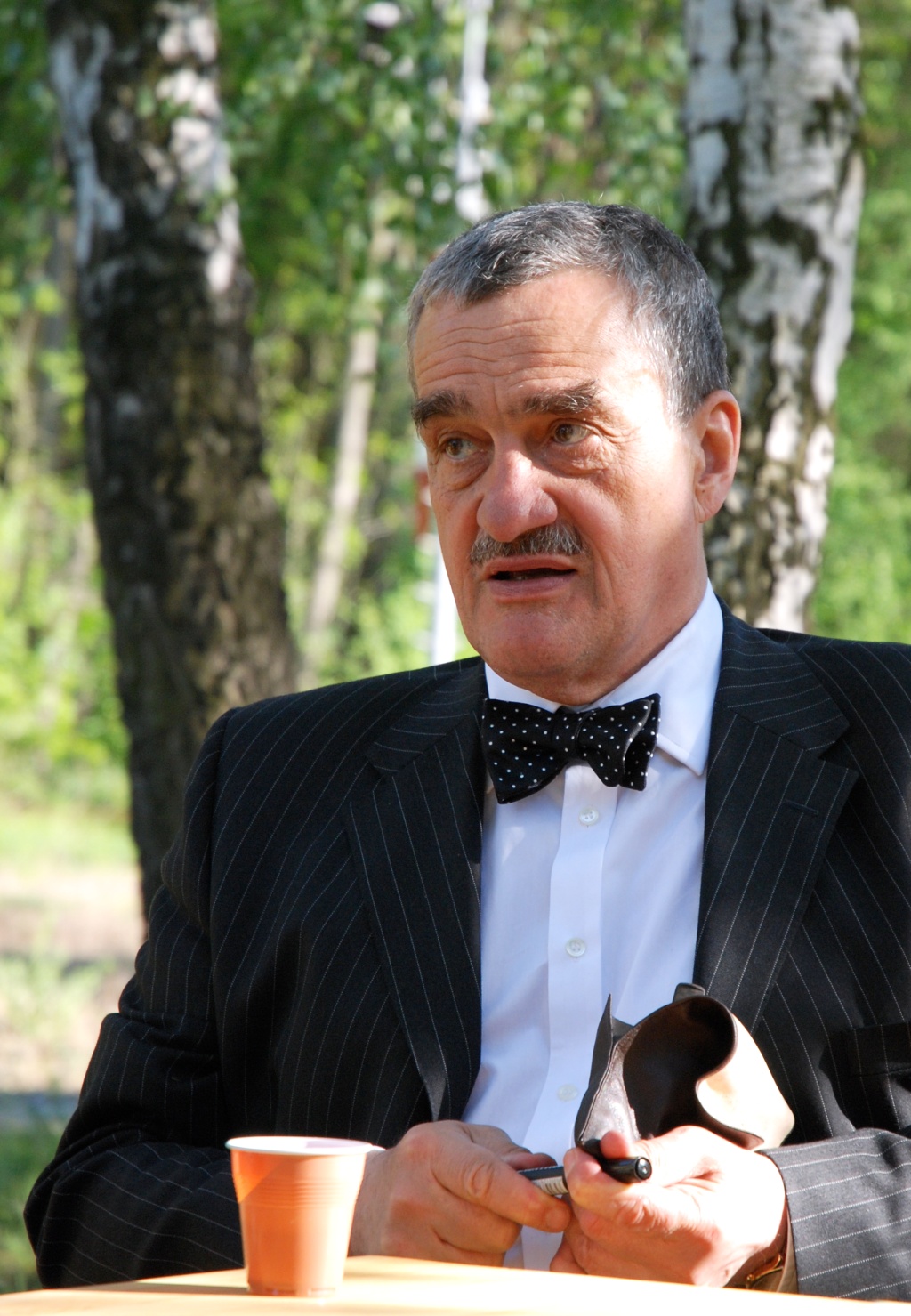
Prince Karel Schwarzenberg (born 10 December 1937) is a Czech statesman and member of the historic Schwarzenberg family. He is widely known as a veteran politician who led the center-right party TOP 09 and who ran for the presidency in 2013. Schwarzenberg combines a noble background with a public career focused on foreign affairs, European integration and the promotion of democratic values after the Cold War.
Image gallery
10 Images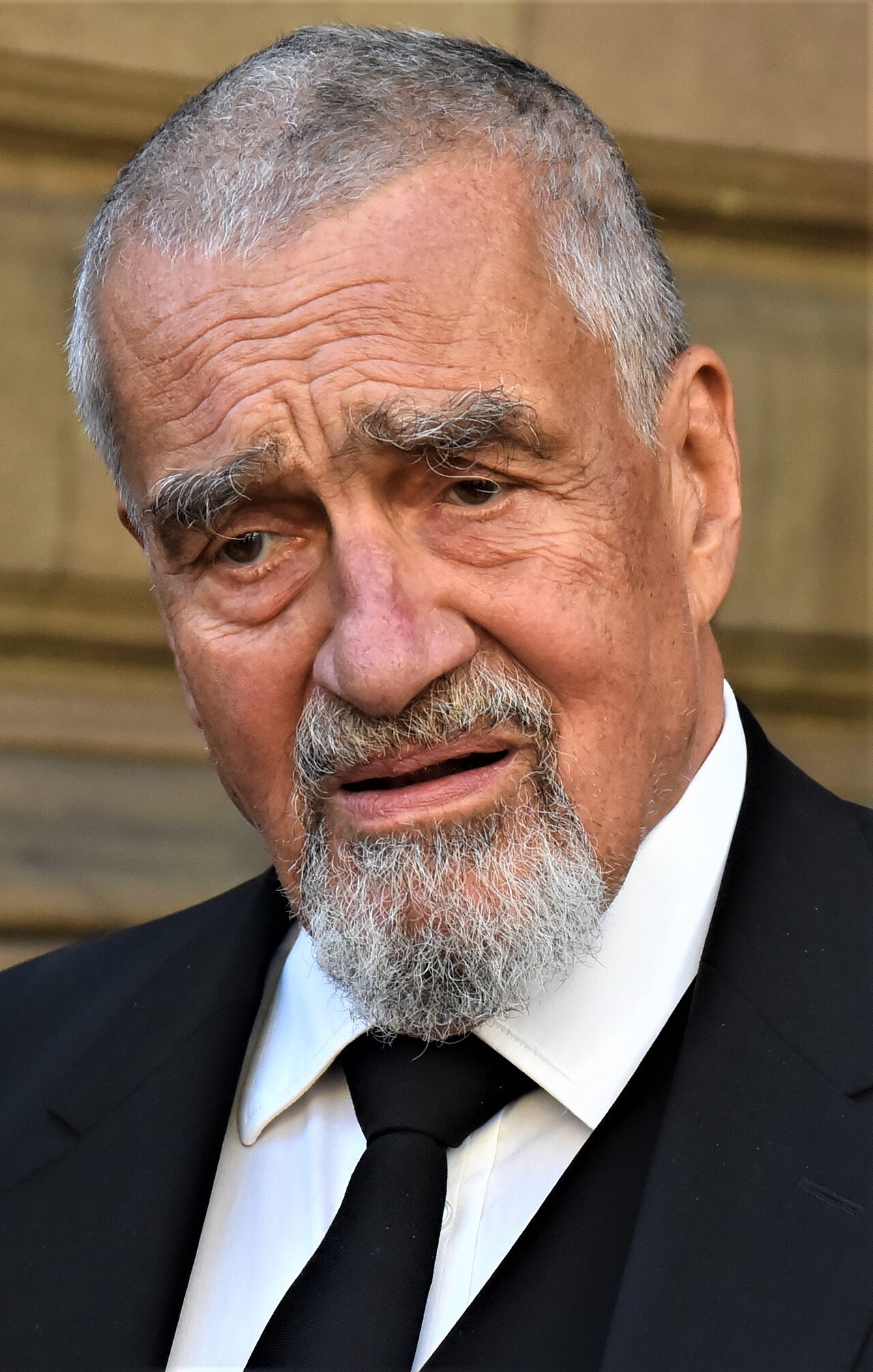






Early life and exile
Born into a Bohemian aristocratic family, Schwarzenberg spent much of his early life abroad after the 1948 Communist takeover of Czechoslovakia. He lived in several European countries and pursued studies and professional activities outside his homeland. After the Velvet Revolution of 1989 and the end of communist rule, he returned to the Czech public scene and became active in political and cultural life.
Political career and offices
Schwarzenberg held senior government posts and parliamentary positions across several administrations. He served as Minister of Foreign Affairs in coalition governments and was also appointed deputy prime minister during the early 2010s. He was a Member of the Chamber of Deputies and led his party as it sought to represent conservative-liberal and pro-European positions in Czech politics.
Notable roles and election
- Leader of TOP 09 (national conservative, pro-EU party).
- Two terms as Minister of Foreign Affairs, during which he emphasized transatlantic ties and European cooperation.
- Presidential candidate in the 2013 presidential election, advancing to the runoff and finishing as the runner-up.
- Long-serving member of parliament, participating in debates on foreign policy, human rights and national heritage.
Political positions and public image
Schwarzenberg is associated with a pro-Western, pro-European outlook and is often described as an advocate of human rights, reconciliation and historical memory. His aristocratic origin and straightforward rhetoric made him a distinctive figure in Czech public life—respected by some for moral clarity and criticized by others as out of step with everyday political concerns. His campaign style in 2013 emphasized personal integrity and commitment to democratic norms.
Legacy and distinctions
Beyond elected office, Schwarzenberg has been prominent in cultural and historical preservation efforts linked to his family heritage and broader national memory. He remains a reference point in discussions about the role of tradition in modern Central European politics. For a concise biographical overview and official records, see his public profile and parliamentary entry in the relevant sources biography and institutional pages.
Related articles
Author
AlegsaOnline.com Karel Schwarzenberg Leandro Alegsa
URL: https://en.alegsaonline.com/art/123283