
Karen Karapetyan
Armenian politician and former prime minister (2016–2018), known for a technocratic background in business and for leading the government during the 2018 transition.

Karen Karapetyan (born 14 August 1964) is an Armenian politician and public figure who served as Prime Minister of Armenia. He came to national prominence after a career that blended management in large enterprises with roles in public administration. Observers describe him as a technocrat whose priorities emphasized economic stability and administrative reform.
Image gallery
4 Images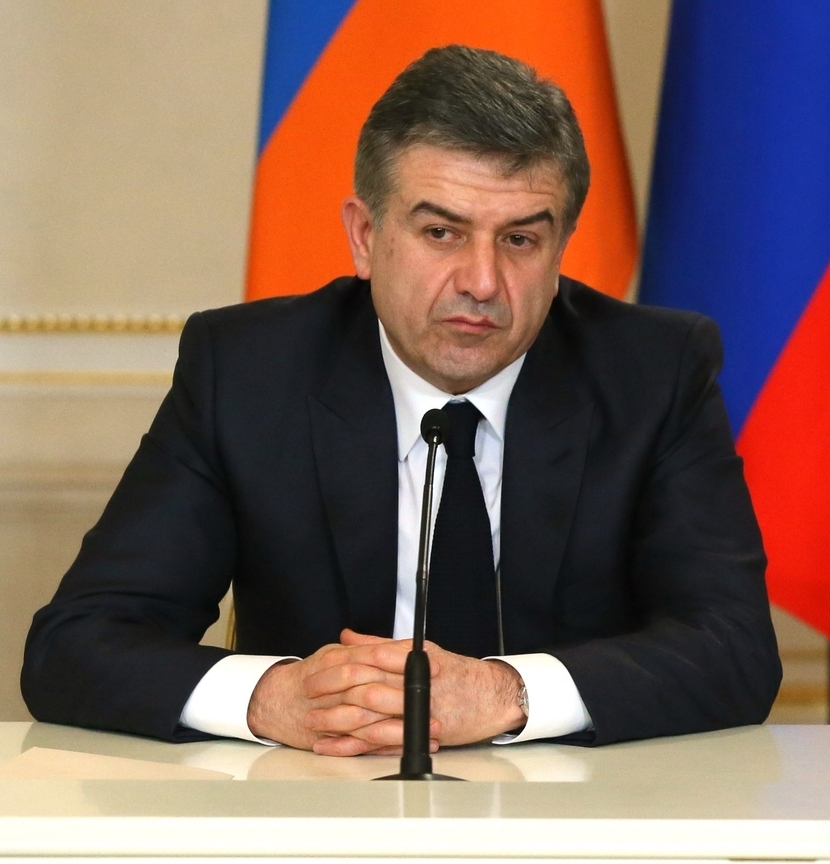


Career before premiership
Before leading the government, Karapetyan built experience in industry and corporate management, moving from private-sector positions into government roles. That background shaped his policy interests, which often focused on investment, infrastructure, and attempts to improve the business climate. His professional profile made him a candidate for executive government office at a time when Armenian politics sought managerial expertise.
Prime ministership and 2018 transition
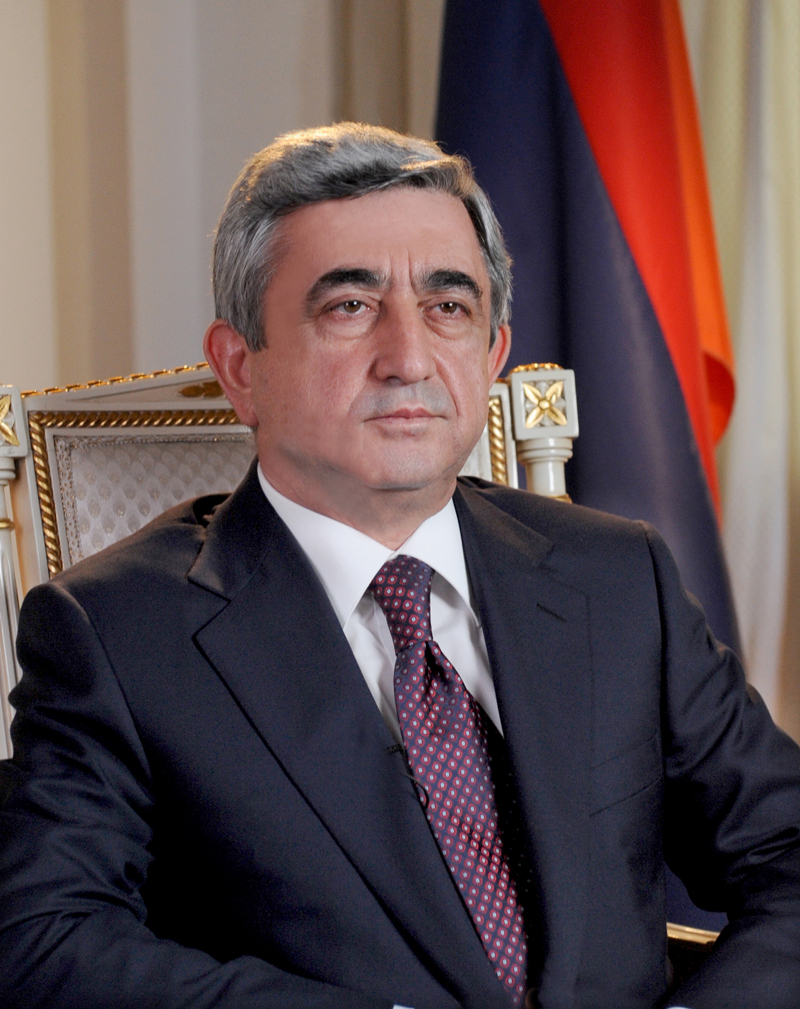
Karapetyan was appointed Prime Minister in 2016 following the resignation of Hovik Abrahamyan (resignation). He led the cabinet through routine governance and economic measures until April 2018, when a major political shift unfolded. On 23 April 2018 he became acting Prime Minister after Serzh Sargsyan stepped down amid sustained public protests (Sargsyan resignation). The episode culminated in May 2018 when opposition leader Nikol Pashinyan was elected Prime Minister (Pashinyan), marking a rapid change in Armenia's leadership.
Policies and public role
During his time in office Karapetyan prioritized measures intended to attract investment and streamline administration. He engaged with business communities and international partners to present Armenia as a stable environment for economic activity. His pragmatic reputation derived from problem-solving approaches rather than ideological rhetoric.
Legacy and later activity
Karapetyan's tenure is remembered for technocratic management and for navigating the government through a turbulent period in 2018. After leaving the premiership he remained involved in public affairs, occasionally commenting on economic policy and governance. His career illustrates how managerial experience can intersect with high political office in contemporary Armenia.
- Born: 14 August 1964
- Prime Minister: 2016–2018 (acting in April–May 2018)
- Notable for: technocratic approach, focus on economic and administrative reforms
Related articles
Author
AlegsaOnline.com Karen Karapetyan Leandro Alegsa
URL: https://en.alegsaonline.com/art/123291
Sources
- gov.am : "Prime Мinister - Biography - The Government of the Republic of Armenia"
- interfax.ru : "Обязанности премьера Армении возложены на Карена Карапетяна"