
Kalpana Chawla — Indian‑American astronaut and aerospace engineer
Kalpana Chawla (c.1962–2003) was an Indian‑born American astronaut and aerospace engineer, the first Indian‑American and first Indian woman to travel into space; she flew on STS‑87 and STS‑107 (Columbia).
Overview
Kalpana Chawla (born in Karnal, India; March 17, 1962 — February 1, 2003) was an Indian‑American astronaut and aerospace engineer who became the first Indian‑American and the first woman born in India to fly in space. Her career combined research, flight testing and operational roles at NASA. For an introductory profile see Kalpana Chawla biography.
Image gallery
9 Images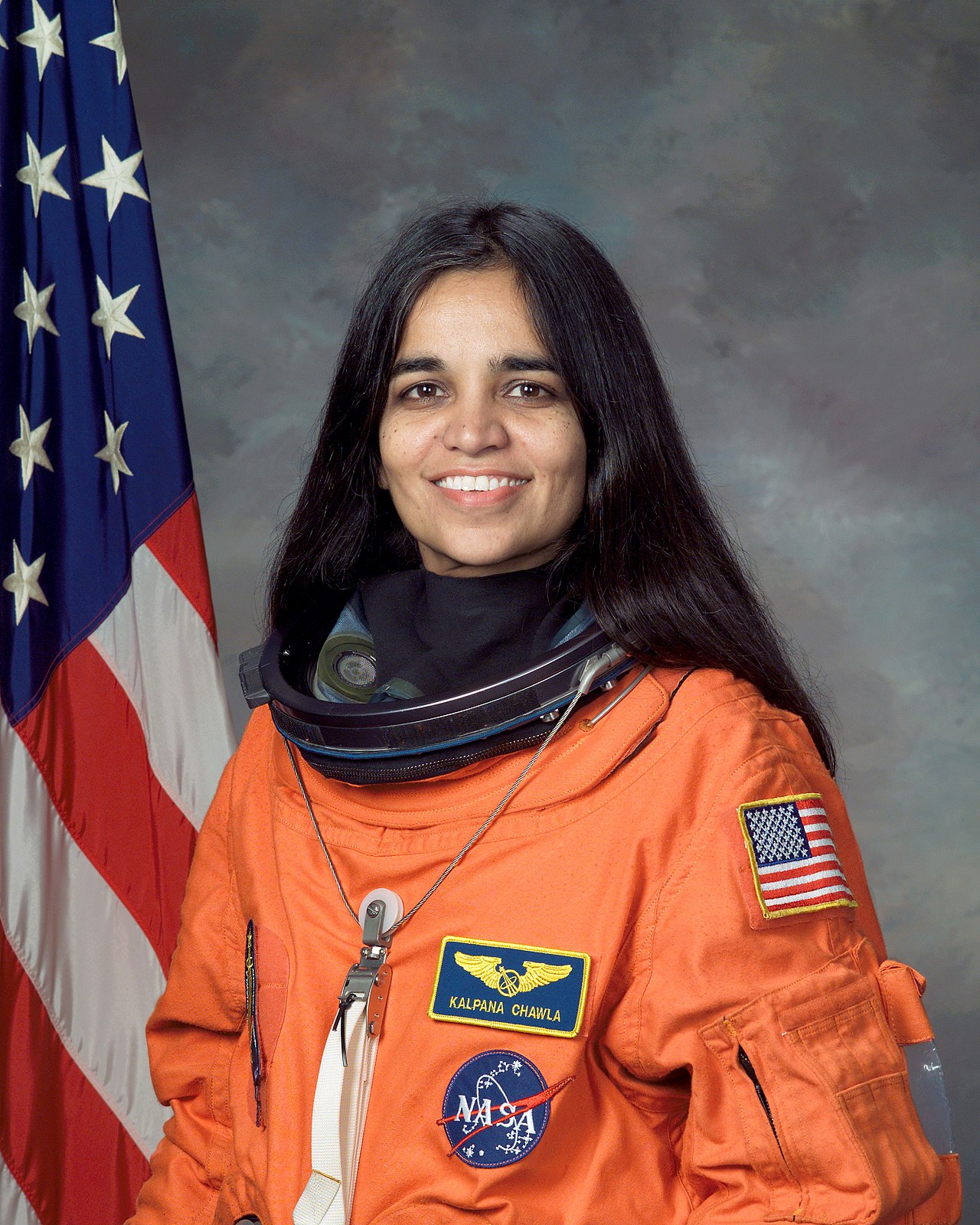





Early life and education
Chawla grew up in Karnal, Haryana, and completed undergraduate studies in aeronautical engineering in India before moving to the United States for graduate education. She earned an advanced degree in aerospace engineering and worked in research and flight testing before joining NASA's astronaut corps. Her academic and early professional training prepared her for work on flight dynamics and spacecraft operations.
NASA selection and missions
Selected as an astronaut candidate in the mid‑1990s, Chawla flew as a mission specialist on two Space Shuttle flights. She served as the primary operator of the shuttle's robotic arm and participated in experiments and payload operations. Her spaceflights include:
- STS‑87 (1997) — her first spaceflight, during which she worked on microgravity experiments and manipulator operations.
- STS‑107 (2003) — Columbia's final mission, a dedicated science research flight that ended in disaster during reentry on February 1, 2003.
Contributions and roles
As a mission specialist and robotic arm operator, Chawla was responsible for deploying and retrieving payloads, assisting with experiment setup, and supporting shuttle systems. Her background in aerospace engineering and flight test work informed her technical responsibilities aboard the Shuttle. NASA's archives and mission summaries provide detailed accounts of her work: mission records.
Legacy and recognition
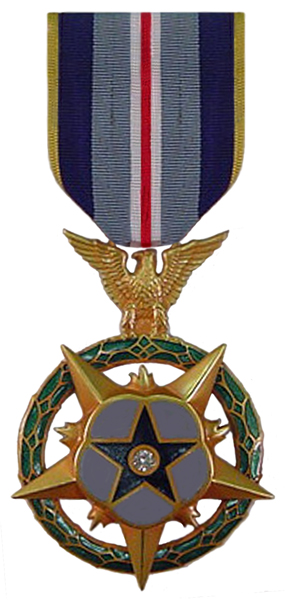
Chawla's death in the Columbia accident was widely mourned internationally. She has since become a symbol of inspiration for students and engineers, particularly in India and among the Indian diaspora. Numerous educational programs, scholarships, awards and facilities have been named in her honor. She and her crewmates received posthumous recognition, including high national honors; her story is often cited in discussions about spaceflight safety and public engagement with science. For perspectives on her impact in India see tribute and context and on her historic status see historic firsts.
Personal note
Chawla was married to Jean‑Pierre Harrison. Colleagues remember her for technical skill, quiet determination and a commitment to education and outreach. Her life and career continue to encourage people worldwide to pursue careers in science, technology, engineering and mathematics.
Related articles
Author
AlegsaOnline.com Kalpana Chawla — Indian‑American astronaut and aerospace engineer Leandro Alegsa
URL: https://en.alegsaonline.com/art/123251
Sources
- spaceflight.nasa.gov : "Kalpana Chawla – STS-107 Crew Memorial"
- washingtonpost.com : "Sky-High Ambition and a Love of Flight"
- liveachievers.tk : kalpana chawla biography in english