
Joseph Stiglitz: Economist, Nobel Laureate, and Critic of Market Orthodoxy
Profile of Joseph E. Stiglitz, his life, major contributions to economics (asymmetric information), public service, critiques of globalization, key works, and influence.
Joseph E. Stiglitz (born February 9, 1943) is an American economist and public intellectual best known for his work on information asymmetries and his criticism of unfettered markets. He has held senior academic posts at several universities and served in high-level policy roles. His career brings together technical contributions to economic theory, public policy experience, and widely read books intended for a general audience. For details of honors and fellowships see honors and memberships.
Image gallery
10 Images

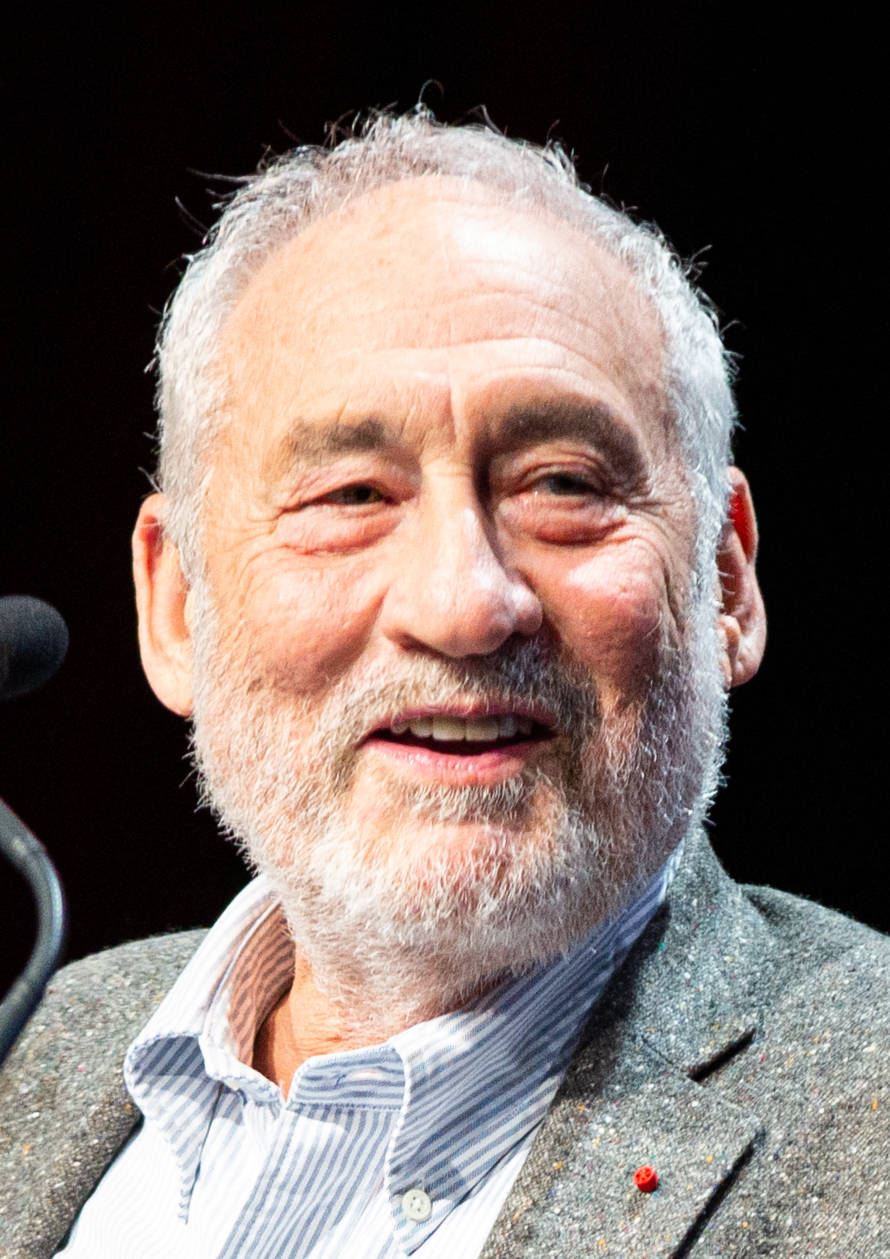

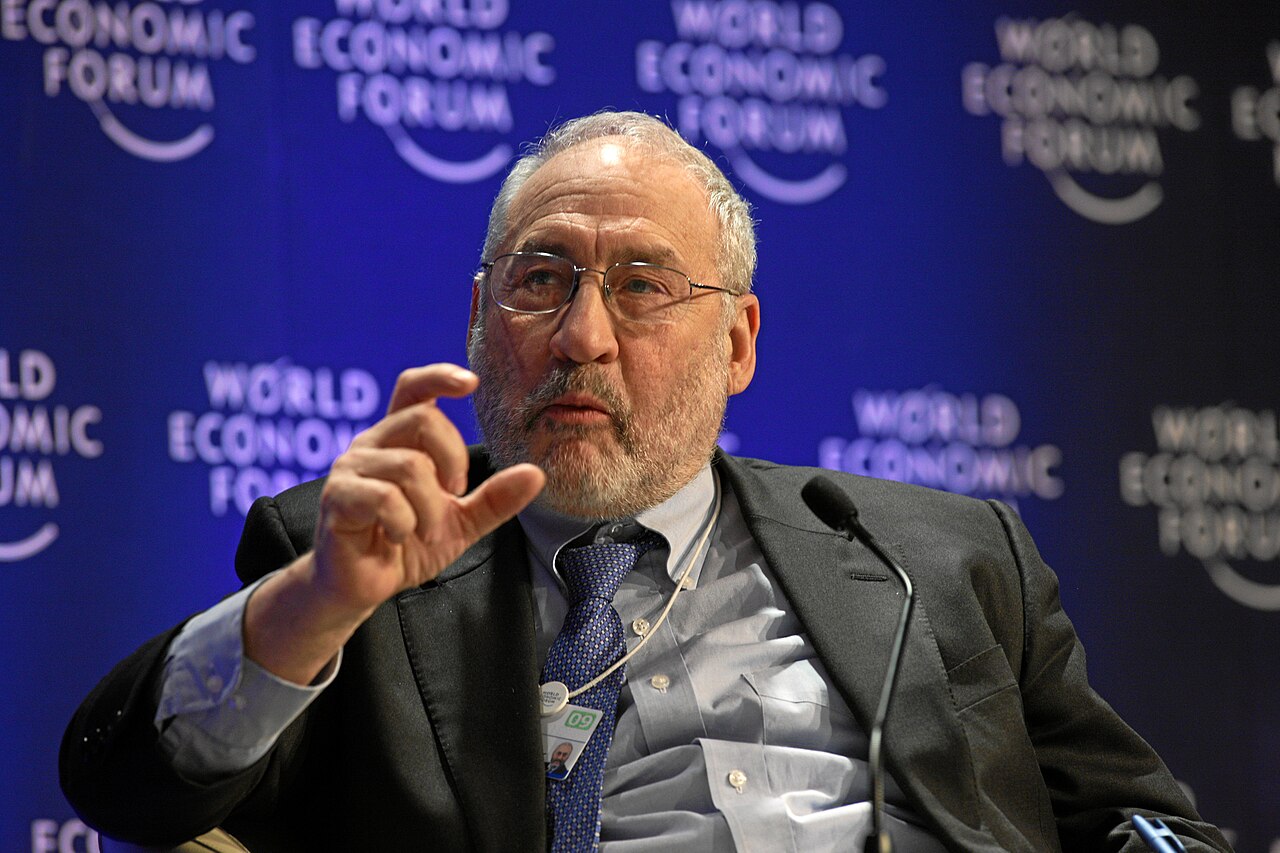



Background and career
Stiglitz was born in 1943 and raised in the United States; accounts of his family background note a Jewish heritage. He trained in economics at prominent U.S. institutions and later taught at universities including Yale, Princeton and Columbia. He is frequently described as an American economist and is long associated with Columbia University, where he has held a senior professorship and produced much of his recent writing and research; see the Columbia profile here.
Major contributions and ideas
Stiglitz received the Nobel Prize in Economic Sciences in 2001 for his analysis of markets in which participants have access to different information. His work helped formalize how information asymmetries—situations where some agents know more than others—affect market outcomes, leading to phenomena such as adverse selection, moral hazard, and credit rationing. A well-known theoretical result associated with him is the Stiglitz–Weiss framework on credit markets and rationing.
Public service and institutional roles
Beyond academia, Stiglitz has held prominent policy roles. He served as Chairman of the Council of Economic Advisers in the United States and later became senior vice president and chief economist at the World Bank, where he worked on development and globalization issues; official biographies and records of those appointments appear at the CEA page and the World Bank. His policy experience shaped both his empirical perspective and his later critiques of international institutions.
Books, policy views and criticisms
Stiglitz has written extensively for non-specialist readers. Notable books include Globalization and Its Discontents and The Price of Inequality, which argue that poorly designed policies and insufficient regulation can exacerbate inequality and economic instability. He is known for a sustained critique of how globalization has been managed by some policymakers and institutions; readers can explore discussions of his views on globalization at globalization debates. He has also been critical of what he calls "free-market fundamentalism" and has challenged the prescriptions of some mainstream economists; material addressing his critique of market ideology is available via economic debates.
Influence, controversies and legacy
Stiglitz's influence spans academic research, international policy, and public discourse. His Nobel Prize recognized a technical innovation in economic theory, while his books and policy interventions have affected debates about development, financial regulation, and inequality. He has publicly contested policies of institutions such as the International Monetary Fund and the World Bank, reflecting both his time inside those organizations and his later role as a critic; see commentary related to the IMF at IMF critiques and further remarks on the World Bank.
Selected honors and works
- Key awards: Nobel Prize in Economic Sciences (2001), John Bates Clark Medal (1979); further honors listed at honors.
- Representative books: Globalization and Its Discontents; The Price of Inequality; People, Power, and Profits (among others).
- Representative themes: information economics, market failures, public policy reform, inequality and globalization.
Stiglitz remains an active voice in economics, combining theoretical research with commentary on contemporary policy challenges. For more comprehensive bibliographies and institutional biographies consult the linked pages above and academic archives at Columbia or institutional profiles via the World Bank.
Related articles
Author
AlegsaOnline.com Joseph Stiglitz: Economist, Nobel Laureate, and Critic of Market Orthodoxy Leandro Alegsa
URL: https://en.alegsaonline.com/art/122945
Sources
- econlib.org : Joseph E. Stiglitz (1943– )