
Joseph Schumpeter: Economist of Innovation and Creative Destruction
Profile of Joseph A. Schumpeter, his life, major theories (notably creative destruction), principal works, career highlights and continuing influence on economics, entrepreneurship and innovation.
Joseph Alois Schumpeter (8 February 1883 – 8 January 1950) was an economist and social theorist who wrote on the dynamics of capitalist economies and the role of innovation in economic change. Born in what is now the Czech Republic, he was active in Austrian and German scholarly life and later taught in the United States. His writings addressed questions in economics and political science, and he examined competing intellectual traditions such as Marxism while analysing the strengths and vulnerabilities of capitalism.
Image gallery
2 Images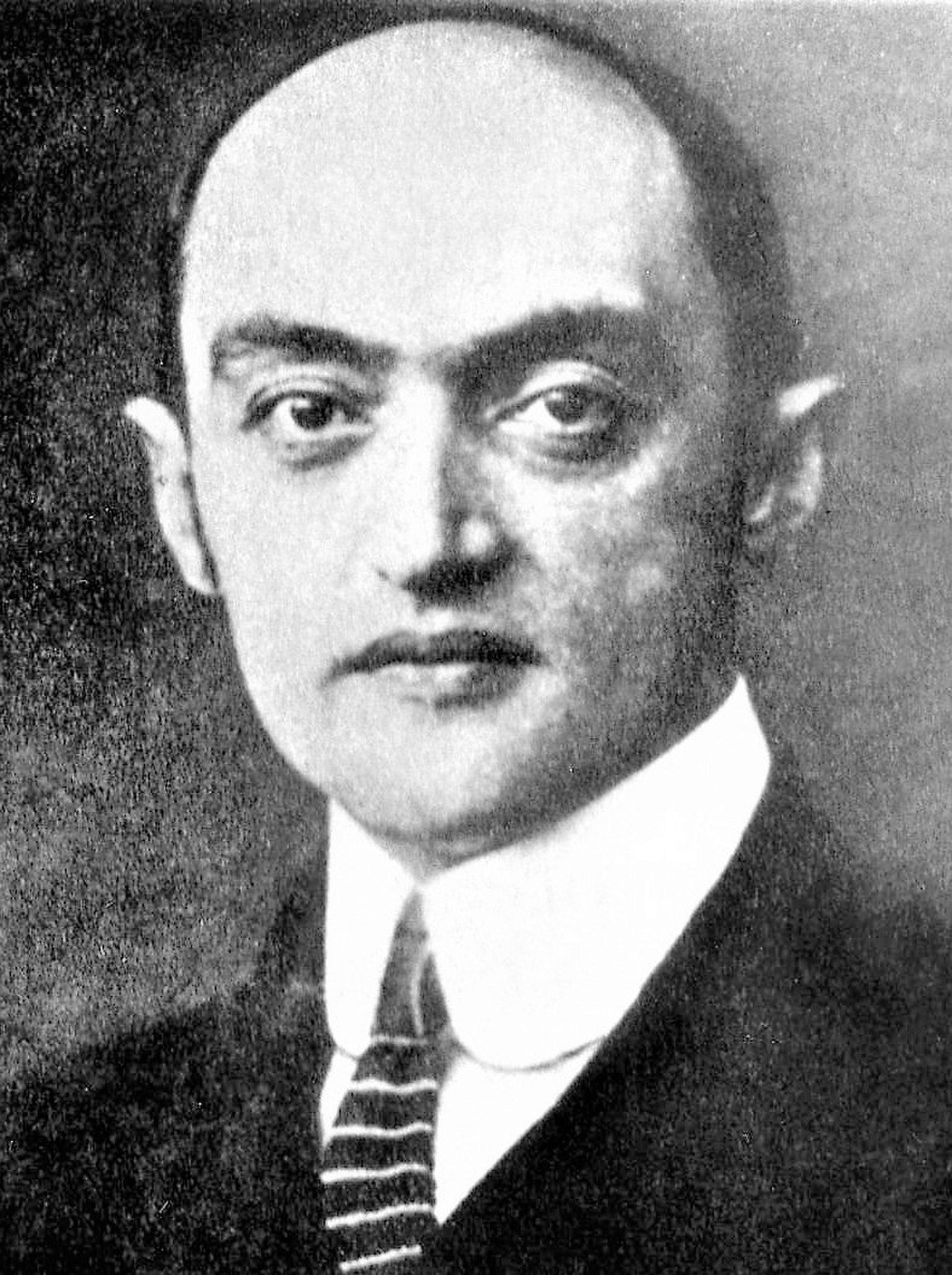

Main ideas
Schumpeter is best known for linking economic development to the activities of innovators and the process he called creative destruction. By this he meant that the introduction of new products, methods or organizational forms by an entrepreneur does not merely add to the economy but transforms it, displacing older firms, routines and technologies. Innovation (innovation) therefore generates both economic growth and structural upheaval: waves of novelty create clusters of expansion followed by periods of adjustment.
Career and principal works
Schumpeter combined historical narrative with theoretical argument. His early major work, often cited as The Theory of Economic Development, analysed the entrepreneur as the agent who introduces new combinations that change the economic landscape. His later, widely read book Capitalism, Socialism and Democracy assessed the longer-term prospects of capitalist institutions, arguing that the system's own success could foster social and institutional pressures that might erode its base. He served briefly in public office—as finance minister of Austria in 1919—and held academic posts in Europe before spending the final decades of his career at Harvard University.
Concepts and examples
- Creative destruction: innovation-driven replacement of existing products, firms or industries (a modern example is how digital imaging altered markets for instant film and related cameras).
- Entrepreneurship: the central, disruptive role of individuals and teams who implement economically meaningful novelties.
- Business cycles: clusters of investment and innovation generate waves of boom and adjustment rather than smooth, continuous growth.
Reception and influence
Schumpeter's framework has been influential across economic history, the study of industrial organisation and the emerging field of entrepreneurship studies. Policymakers and scholars use his language to discuss technological disruption, startup dynamics and structural change in markets. He also encouraged a historical and institutional perspective, showing how economic theory can be informed by patterns observed over time.
Critiques and ongoing debate
Critics point out that Schumpeter sometimes emphasised the benefits of innovation while underestimating social costs, distributional effects and market failures that can accompany disruptive change. Others argue that incremental innovation and routine competitive pressures can be as important as Schumpeterian “big” innovations. Contemporary research on innovation policy, antitrust and industrial renewal continues to engage with these tensions.
Legacy and further reading
Schumpeter's ideas remain a touchstone for understanding how economies evolve when novelty is central. His contrast between Schumpeterian dynamics and more static views of market competition continues to shape debates in economics and in political science. For discussions that situate his work in relation to earlier critics of capitalism see treatments of Karl Marx and of Marxism; for applied studies on firms and startups consult recent literature on entrepreneurship and on technological innovation. Policy debates about competition and creative renewal often invoke his term creative destruction when considering the social effects of industrial transformation and the regulation of markets. Further institutional and historical research can be found in surveys and collected essays accessible through academic libraries and specialist summaries on capitalism.
Related articles
Author
AlegsaOnline.com Joseph Schumpeter: Economist of Innovation and Creative Destruction Leandro Alegsa
URL: https://en.alegsaonline.com/art/122941