
Jorge Batlle Ibáñez — Uruguayan politician and President (2000–2005)
Jorge Batlle Ibáñez (1927–2016) was a Uruguayan lawyer and Colorado Party leader who served as President of Uruguay from 2000 to 2005; his presidency faced a major regional economic crisis and efforts to restore confidence.
Overview
Jorge Luis Batlle Ibáñez (25 October 1927 – 24 October 2016) was an Uruguayan lawyer and long-serving politician who led the country as President from 2000 to 2005. A prominent member of the Colorado Party, Batlle came from a well-known political family and played a central role in national public life for decades. His term is frequently recalled for handling a serious banking and economic disturbance in the region and for debates about the pace and nature of economic and social policy reforms.
Image gallery
2 Images
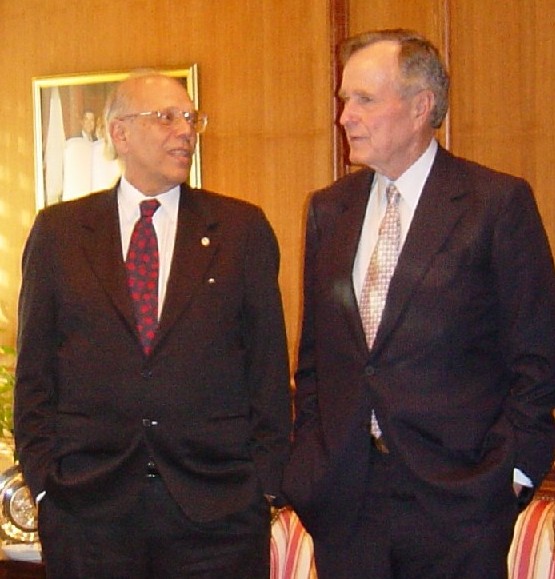
Early life and political career
Born into a family with a long history in Uruguayan politics, Batlle trained as a lawyer before entering public office. Over many years he held elective posts and party positions, becoming a leading figure in the Colorado movement. His career combined parliamentary work, party leadership and public commentary, and he was known for defending institutional continuity while advocating modernization within his political tradition.
Presidency (2000–2005)
Batlle assumed the presidency at a moment of regional economic uncertainty. Early in his term Uruguay was affected by a severe financial disturbance linked to problems in neighboring countries and regional contagion. The administration concentrated on measures to stabilise the banking system, protect basic public finances and restore confidence among depositors and investors. These efforts involved negotiating with domestic and international actors and implementing emergency policies intended to limit the crisis's social and economic fallout.
Domestic policy and reforms
Aside from crisis management, Batlle's government pursued policies aimed at attracting investment and supporting macroeconomic stability while trying to preserve social programmes. His administration debated fiscal strategy, regulatory adjustments and measures to improve competitiveness. Supporters credit his government with helping to stabilise the situation; critics argued that the pace and distributional effects of reforms were contested and politically divisive.
Foreign relations
During his term Uruguay maintained active relations with regional partners and international institutions. Batlle worked to balance national interests with participation in regional trade arrangements and diplomacy, navigating sometimes sensitive bilateral issues and broader economic coordination among neighbours.
Style, controversies and public image
Batlle was noted for a forthright, sometimes combative public style that produced strong reactions across the political spectrum. He remained a polarising figure within his own party at times, but he also retained a measure of respect as an experienced statesman. Debates about his legacy often focus on crisis management, institutional leadership and the ways his administration addressed social concerns under fiscal stress.
Later life and death
After leaving office Batlle continued to comment on public affairs and to participate in civic life. He died on the night of 24 October 2016 in a hospital in Montevideo from a cerebral haemorrhage after a fall during an interview, one day before his 89th birthday. His death prompted national reflection on a long political career that spanned much of Uruguay's modern history.
Legacy
Batlle is remembered as an illustration of long-term party leadership in a small but politically engaged democracy. His presidency is assessed in the context of managing an acute economic shock, debates about reform strategy, and the continuing role of political families in Uruguay. Historians and commentators often emphasise both his contribution to stabilising the country during a difficult period and the contested nature of policy choices made under pressure. Further reading and archival material provide more detailed accounts of his life and administration for those seeking deeper analysis.
- Office: President of Uruguay, 2000–2005.
- Party: Colorado Party.
- Profession: Trained lawyer and long-time public figure.
- Death: 24 October 2016, Montevideo.
Related articles
Author
AlegsaOnline.com Jorge Batlle Ibáñez — Uruguayan politician and President (2000–2005) Leandro Alegsa
URL: https://en.alegsaonline.com/art/122802
Sources
- news.bbc.co.uk : "Uruguay attacks Argentine 'thieves'"