
John Gorton — 19th Prime Minister of Australia
Biography and assessment of Sir John Gorton (1911–2002): wartime service, political career as Liberal leader and prime minister (1968–1971), policies, personality, and legacy.
Overview
Sir John Grey Gorton (9 September 1911 – 19 May 2002) was an Australian politician who served as the country's 19th prime minister. He became leader of the Liberal Party after the disappearance and presumed drowning of Harold Holt and held office from 1968 to 1971. Gorton combined a public image shaped by wartime service with a reputation for plain speaking and an independent approach to government.
Image gallery
10 Images




Early life and wartime service
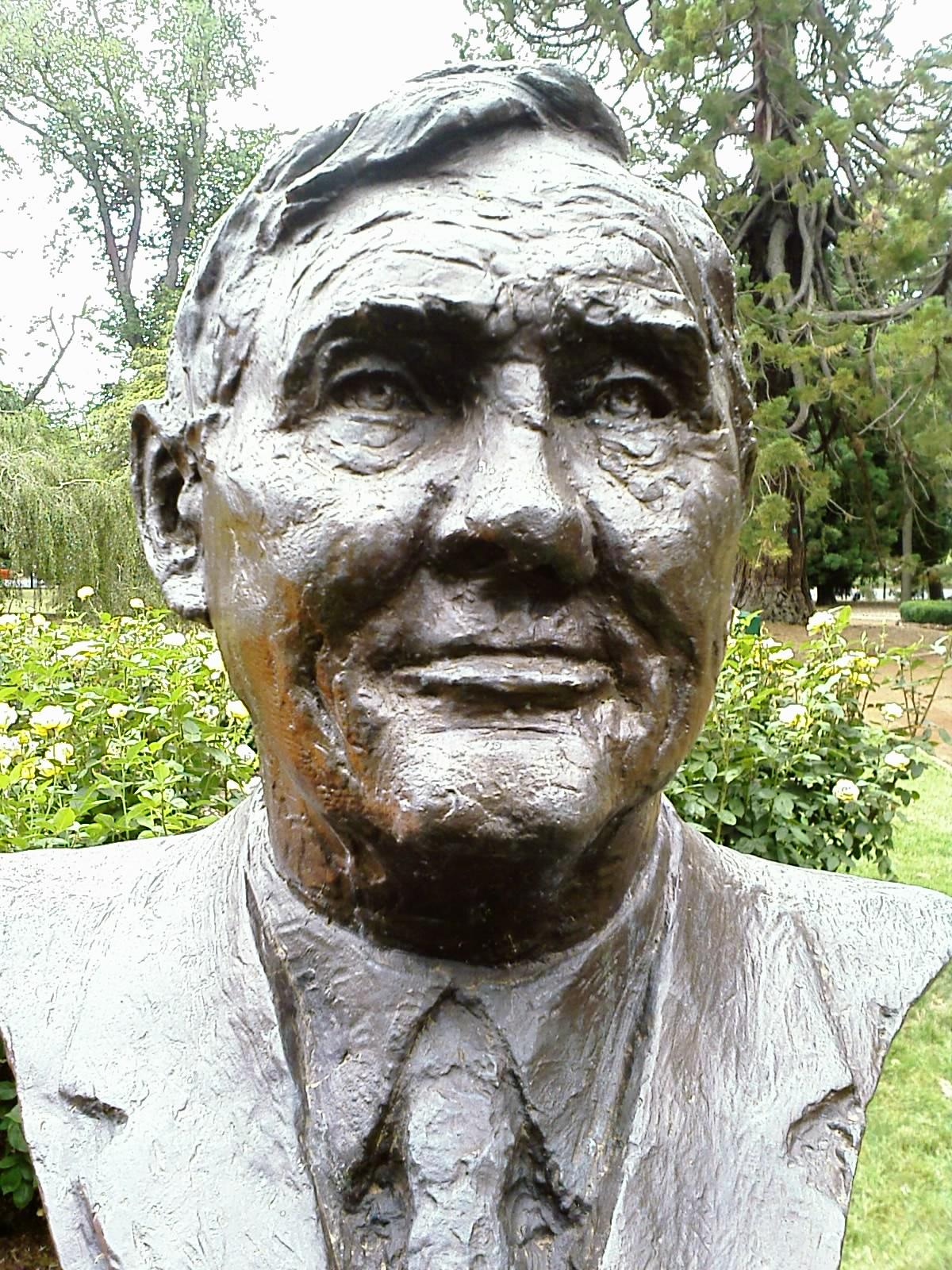
Gorton worked in business before enlisting in the air force during World War II. He served as a fighter pilot and suffered facial injuries in a crash, a feature often noted in contemporary accounts of his appearance. His wartime experience informed elements of his public persona: resilient, direct and nationalistic in tone. He later entered federal politics after the war, initially as a senator.
Political career and prime ministership
Gorton rose through the ranks of the Liberal Party to become leader following Holt's death. Notably, he was the only Australian prime minister to hold the office while a member of the Senate; soon after becoming prime minister he transferred to the House of Representatives by contesting the vacant seat associated with his predecessor. His tenure as prime minister is remembered for an assertive, centralist streak: he sought a stronger role for the federal government in areas of national development, defence and industry, and he balanced traditional conservative policies with occasional independent initiatives.
Policies, style and internal tensions
Gorton favoured policies that expanded federal responsibility in economic and defence matters and encouraged development projects. His leadership style—forthright and sometimes confrontational—generated both public support and friction within his party room. Internal disagreements and strained relations with senior ministers contributed to his eventual replacement as Liberal leader in 1971.
Personal life and later years
Gorton married Bettina Brown in 1935; she died in 1983. He later married Nancy Home in 1993. After leaving the prime ministership he remained a public figure, and his contributions to postwar Australian politics continued to be discussed by historians and commentators. He died in 2002 and is remembered for his distinctive blend of wartime pedigree, blunt rhetoric and an outspoken vision of national interest.
Notable facts and further reading
- He is sometimes quoted as describing himself as "Australian to the bootheels," reflecting his populist self‑image.
- He was a wartime fighter pilot whose facial scars became a recognizable aspect of his public image.
- His rise to the prime ministership followed a sudden national crisis when his predecessor vanished while swimming.
For official records and more comprehensive accounts, see parliamentary biographies and archival material: Parliamentary biography, general resources on Australia, histories of the Liberal Party, and material relating to Harold Holt.
Questions and answers
Q: Who was John Gorton?
A: John Grey Gorton was the 19th Prime Minister of Australia.
Q: How did John Gorton become the leader of the Liberal Party?
A: John Gorton became the leader of the Liberal Party after Harold Holt drowned.
Q: What was John Gorton's occupation during the Second World War?
A: John Gorton was a fighter pilot during the Second World War.
Q: Did John Gorton have any physical scars?
A: Yes, John Gorton had a scarred face from his time as a fighter pilot.
Q: What did John Gorton say about being Australian?
A: John Gorton said he was "Australian to the bootheels".
Q: Who did John Gorton marry, and when did they die?
A: John Gorton married Bettina Brown in 1935, who died in 1983.
Q: Who did John Gorton marry after the death of his first wife?
A: After the death of his first wife, Bettina Brown, John Gorton married Nancy Home in 1993.
Related articles
Author
AlegsaOnline.com John Gorton — 19th Prime Minister of Australia Leandro Alegsa
URL: https://en.alegsaonline.com/art/122474
Sources
- primeministers.naa.gov.au : "Bettina Gorton - John Gorton (10 January 1968 – 10 March 1971) and Bettina Gorton"
- primeministers.naa.gov.au : "In office - John Gorton (10 January 1968 – 10 March 1971) and Bettina Gorton"
- primeministers.naa.gov.au : "After office - John Gorton (10 January 1968 – 10 March 1971) and Bettina Gorton"