
John Heisman — American football coach, innovator, and namesake of the Heisman Trophy
John William Heisman (1869–1936), influential American football coach known for the Heisman shift and advocacy of the forward pass; led Georgia Tech to historic victories and inspired the Heisman Trophy.
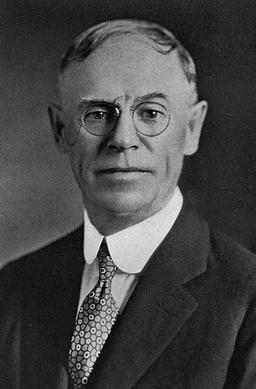
John William Heisman (October 23, 1869 – October 3, 1936) was a prominent American coach, player and sportsman whose career spanned several sports, including football, baseball and basketball. Heisman is best known for his long and influential tenure in college football coaching and for the innovations he introduced to the game. Beyond coaching, he wrote about sports and made occasional appearances as an actor and public speaker about athletics.
Image gallery
10 Images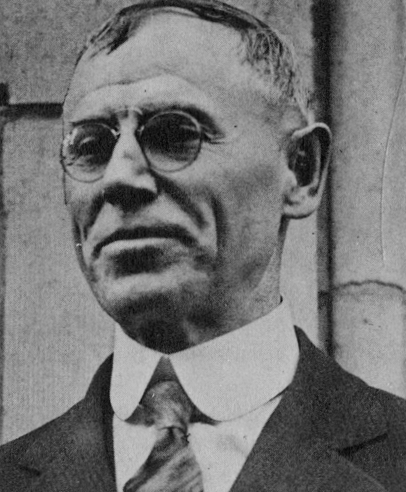



Career and innovations
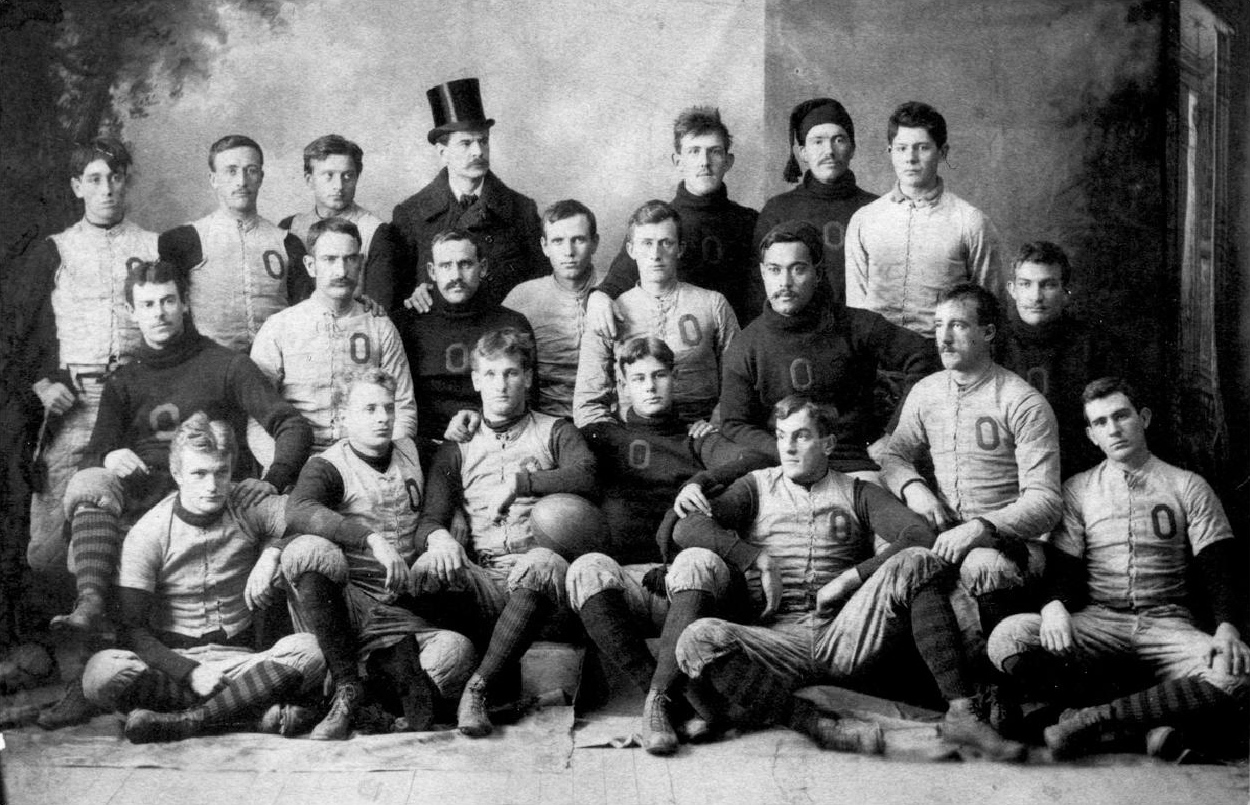
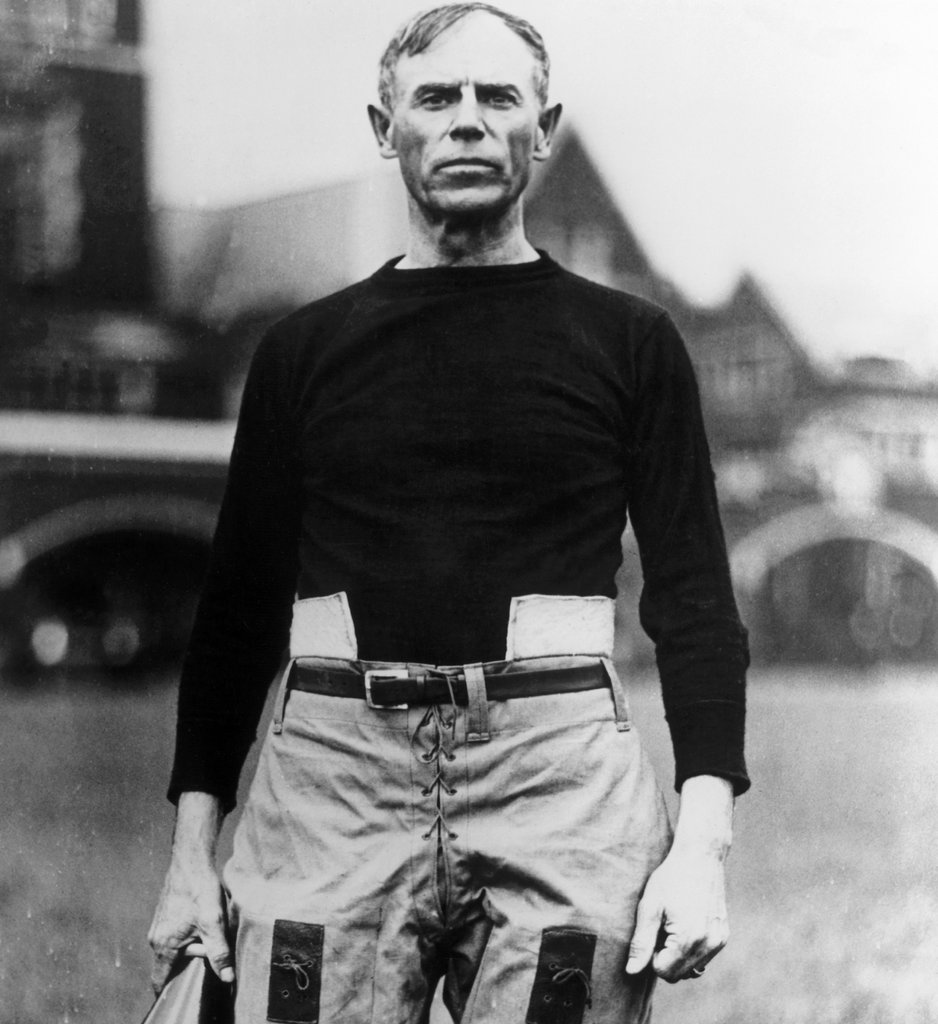
Heisman coached at multiple colleges in the United States, most notably at Georgia Tech, where he built teams celebrated for discipline and tactical invention. He emphasized speed, deception, and precise execution. Heisman promoted rule changes and strategic ideas that helped modernize football—examples include the shift known as the "Heisman shift," refinements to the snap and backfield motion, and early use and advocacy of the forward pass.
Notable moments
- The 1916 Georgia Tech victory over Cumberland, a 222–0 game, remains the most lopsided score in college football history and is often cited when discussing Heisman's teams.
- He was active during an era when football rules were changing to improve player safety and open the game to more strategic play.
Legacy
Heisman's name endures most visibly through the Heisman Trophy, established to honor the most outstanding player in college football. The award and Heisman's reputation reflect his lasting influence on tactics, coaching methods, and the national profile of collegiate football. He is remembered both for on-field successes and for helping shape the modern sport.
Today Heisman is regarded as an important transitional figure whose coaching innovations and promotion of fair play contributed to football's development from a rough, regional pastime into a nationally followed and strategically rich sport.
Related articles
Author
AlegsaOnline.com John Heisman — American football coach, innovator, and namesake of the Heisman Trophy Leandro Alegsa
URL: https://en.alegsaonline.com/art/122490