
Joe Clark (Charles Joseph Clark) — Canadian statesman and former prime minister
Overview of Joe Clark, Canada's youngest prime minister (1979–80), his political career, later roles in foreign affairs, and honours.
Charles Joseph "Joe" Clark (born June 5, 1939) is a Canadian politician and public figure best known for serving as Prime Minister of Canada from 1979 to 1980. A Progressive Conservative, Clark rose rapidly through federal politics in the 1970s and became, at age 40, the youngest person to hold the office of prime minister in Canadian history. His short-lived minority government and later cabinet service made him a notable figure in late 20th‑century Canadian public life.
Image gallery
6 Images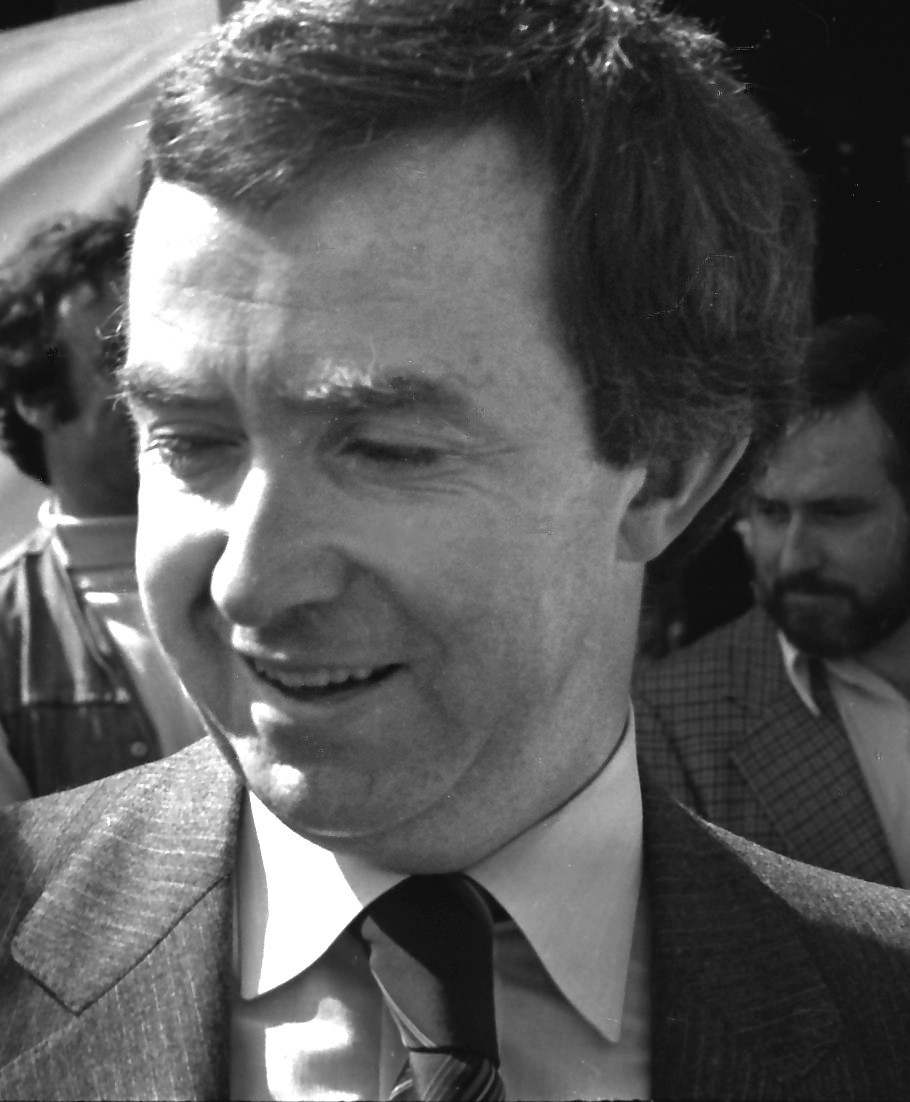



Early life and political rise
Clark was born in Alberta and completed his post‑secondary studies before entering public life. He was first elected to the House of Commons in the early 1970s and gained national prominence as a younger, energetic voice within the Progressive Conservative Party. In 1976 he won the party leadership, defeating several more senior rivals and positioning the party as an alternative to the long‑governing Liberals.
Prime Ministership (1979–1980)
Clark led a Progressive Conservative minority to victory in the 1979 federal election and became prime minister. His government governed for less than a year; a contentious budget and an opposition coalition resulted in a vote of non‑confidence that brought down his administration. The subsequent 1980 election returned the Liberal Party to power under Pierre Trudeau.
Later career and public service
After leaving the prime minister's office, Clark remained active in politics and public affairs. He continued to serve in Parliament and later joined the cabinet of Brian Mulroney, holding the foreign affairs portfolio where he represented Canada in international forums and helped manage relations with allies and multilateral institutions. Clark left elected office in the early 1990s and has since been involved in diplomacy, public speaking, writing and advisory work.
Roles, honours and legacy
- Leader of the Progressive Conservative Party: led the party into the 1979 election and through the early 1980s; see the party record here.
- Prime Minister of Canada (1979–1980): Canada’s youngest prime minister; a milestone often cited in studies of Canadian leadership reference.
- Cabinet minister and foreign affairs figure: served in senior portfolios and participated in international negotiations; overview at foreign affairs summary.
- Honours: appointed to the Queen’s Privy Council and awarded national and provincial honours recognising public service.
Clark’s career is often discussed in the context of short‑term minority governments, leadership transitions within Canadian political parties, and the conduct of Canadian diplomacy in the late 20th century. For further official biographical material and archival records, consult the detailed profiles and collections here.
Related articles
Author
AlegsaOnline.com Joe Clark (Charles Joseph Clark) — Canadian statesman and former prime minister Leandro Alegsa
URL: https://en.alegsaonline.com/art/122213
Sources
- thecanadianencyclopedia.ca : "Joe Clark"