
Jeremiah Denton: U.S. Navy Admiral, Vietnam POW, Author and U.S. Senator
Overview of Jeremiah Denton (1924–2014): U.S. Navy rear admiral, nearly eight-year Vietnam POW, author of the memoir When Hell Was in Session, and one-term U.S. Senator from Alabama.
Jeremiah Andrew Denton Jr. (July 15, 1924 – March 28, 2014) was an American naval officer and politician whose life combined long military service, prolonged captivity as a prisoner of war, and later national public office. He was born in Mobile and lived much of his life in Alabama. Denton trained as a naval aviator and rose through the ranks to become a flag officer in the United States Navy.
Image gallery
9 Images


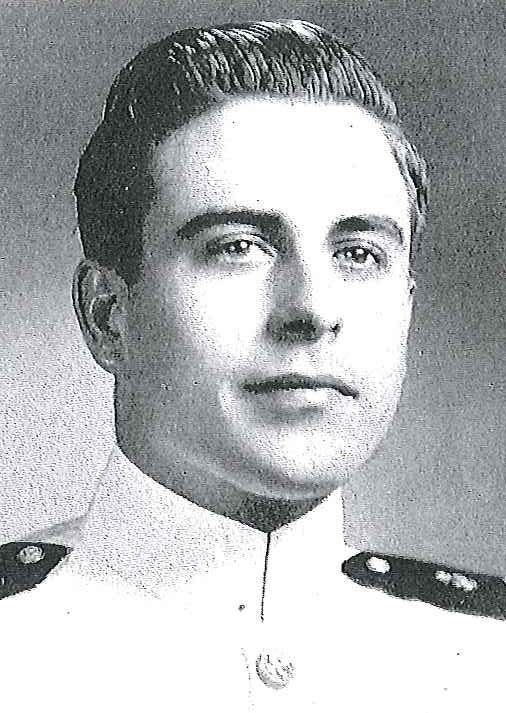

Military service and capture
Denton flew carrier-based aircraft and held a variety of command and staff positions before and during the conflict in Southeast Asia. While serving in the theater of the Vietnam War, he was shot down and taken prisoner by forces of North Vietnam. He was held in captivity for almost eight years and endured harsh conditions, routine interrogation, and isolation common to many American POWs of that era.
Prisoner of war and public signal
During captivity Denton became widely known because of a coerced televised appearance arranged by his captors. In that interview he used deliberate blinks to transmit a short message in Morse code; observers interpreted the signal as an indication that prisoners were suffering mistreatment. After his return he recounted his experiences in the memoir When Hell Was in Session, which was later adapted as a television movie.
Return, politics and Senate service
Following his release and return to the United States, Denton completed his naval career and retired at a senior rank. He entered politics and was elected to the United States Senate from Alabama in 1980, serving a single term. In Washington he was known for focusing on national security, defense policy, and veterans' issues, drawing on his military background and experience as a former POW.
Writings, honors and legacy
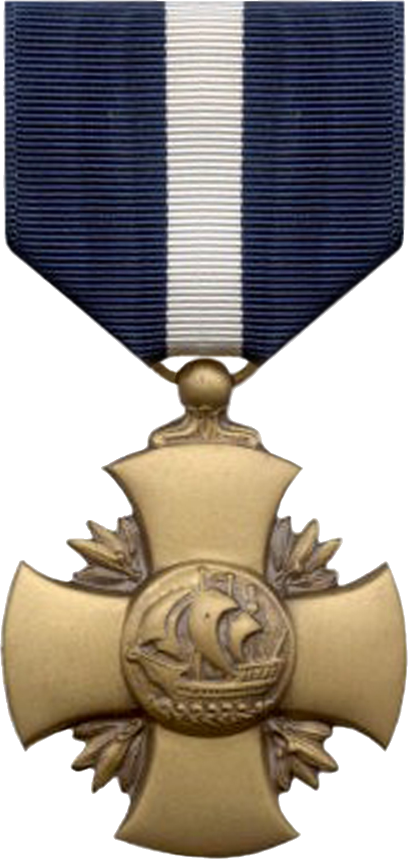
Denton's memoir and public testimony drew attention to the treatment of American prisoners and helped shape discussions about conduct in wartime and the care of veterans. He received military and civic recognitions customary for senior officers and former prisoners of war and remained an active voice on veteran affairs. Historians and students of the Vietnam era continue to reference his case when examining resilience under captivity and the postwar careers of returned servicemembers.
- Born July 15, 1924, in Mobile, Alabama.
- Served as a naval aviator and rose to the rank of rear admiral.
- Held as a prisoner of war by North Vietnam for nearly eight years during the Vietnam War.
- Authored When Hell Was in Session, later adapted into a television film.
- Served one term as a U.S. Senator from Alabama and advocated for veterans and national security issues.
- Died March 28, 2014, in hospice care in Virginia Beach, Virginia.
Denton's life and career illustrate the intersections of military service, wartime captivity, and later public service. The record of his captivity, his coded signal during a coerced broadcast, and his subsequent public roles contributed to his lasting recognition in American military and political history.
Related articles
Author
AlegsaOnline.com Jeremiah Denton: U.S. Navy Admiral, Vietnam POW, Author and U.S. Senator Leandro Alegsa
URL: https://en.alegsaonline.com/art/121832
Sources
- theguardian.com : "Jeremiah Denton, former Alabama senator and Vietnam POW, dies at 89"