
Virginia Beach, Virginia
Coastal city in southeastern Virginia known for beaches, tourism, military installations, and a long shoreline where the Chesapeake Bay meets the Atlantic Ocean.
Virginia Beach is a coastal city in the Commonwealth of Virginia, located where the Chesapeake Bay meets the Atlantic Ocean. As the state's largest city by population, it combines a resort-oriented oceanfront with residential neighborhoods, military facilities and commercial corridors. The city forms part of the broader Hampton Roads metropolitan region and functions as both a vacation destination and an urban center with year-round residents.
Image gallery
10 Images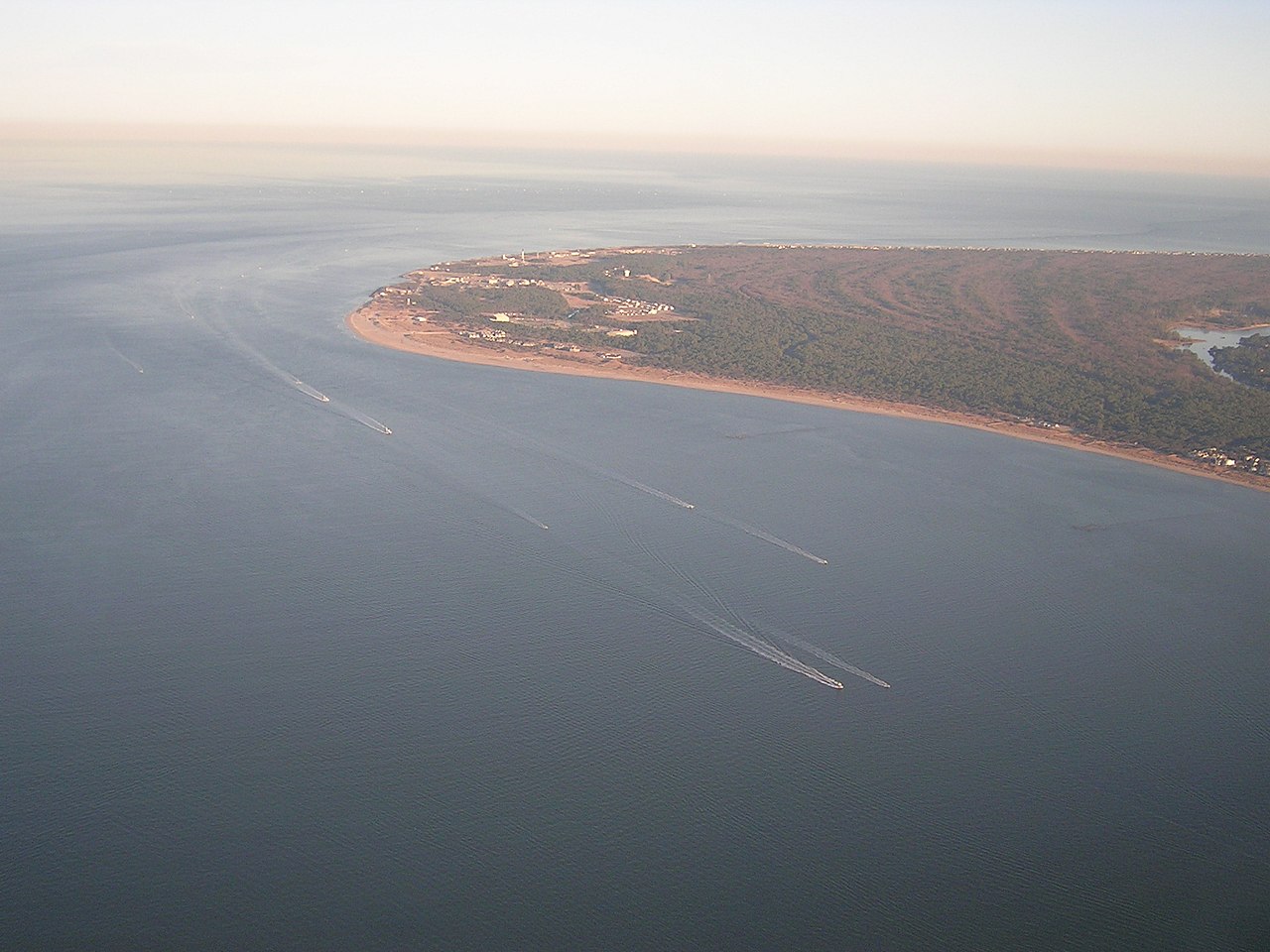


Geography and environment
Stretching along miles of sandy shoreline, Virginia Beach includes barrier beaches, inlets and tidal wetlands. Its position on the Atlantic seaboard gives it a temperate maritime climate: mild winters, warm summers and maritime breezes that moderate extremes. Natural areas such as state parks, dunes and maritime forests protect wildlife and provide recreation, while developed oceanfront zones accommodate hotels, shops and boardwalk attractions.
History and development
The area now known as Virginia Beach is historically significant in early English colonization. Before the establishment of Jamestown, English colonists made an initial landing in the vicinity in 1607. Over centuries the locality evolved from fishing and farming settlements to an organized resort town and ultimately into an independent city through mid-20th-century consolidations and municipal growth. Its development has been shaped by tourism, naval activity and transportation links to other Tidewater communities.
Federal and state investment in infrastructure influenced growth patterns. Roads, bridges and later the Chesapeake Bay Bridge-Tunnel improved access to the Eastern Shore and encouraged commerce. The city has also balanced urban development with preservation of beaches, parks and environmentally sensitive areas along the bay and ocean.
Economy, institutions and military presence
Virginia Beach's economy blends hospitality and tourism with defense-related employment and a range of local firms. Several military installations near or within the city provide substantial employment and influence land use and services. Higher education institutions, research entities and corporate offices contribute to a diversified local economy beyond seasonal tourism, while community services and cultural organizations support residents year-round.
Tourism, recreation and notable features
The city is widely recognized as a vacation destination. Attractions include beaches and a popular boardwalk, public parks, maritime museums, and outdoor recreation such as fishing, boating and birdwatching. Virginia Beach has been noted for its long continuous beachfront and serves as a gateway to Chesapeake Bay waterways. Annual events, festivals and a cluster of hotels and restaurants sustain a significant hospitality sector.
Transportation links, including proximity to major highways, regional airports and the Chesapeake Bay Bridge-Tunnel, connect the city with nearby urban centers and the Eastern Shore. Distinctive features often mentioned in guides and records include its extended oceanfront and the bridge-tunnel engineering link that spans the bay.
Further resources
- City official information
- Municipal services and departments
- Commonwealth of Virginia resources
- South Hampton Roads regional overview
- Chesapeake Bay environmental topics
- Atlantic Ocean coastal features
- Hampton Roads metropolitan area
- City of Chesapeake
- City of Hampton
- Newport News regional page
- Norfolk municipal resources
- Portsmouth information
- City of Suffolk
- Hampton Roads regional planning
- Beaches and shoreline recreation
- Lodging and visitor services
- Dining and hospitality guides
- Military installations and resources
- Major employers and business parks
- Higher education in the area
- Early English colonization background
- Settlements and colonial history
- Jamestown context and arrival
- Chesapeake Bay Bridge-Tunnel engineering
- Bridge-tunnel transportation facts
This article provides a concise overview of Virginia Beach's geography, history, economy and visitor appeal. For in-depth research consult official municipal sources, regional archives and specialized environmental or historical studies linked above.
Questions and answers
Q: What is Virginia Beach?
A: Virginia Beach is an American city in the Commonwealth of Virginia. It is located on the shores of the Chesapeake Bay and the Atlantic Ocean and is the largest city in Virginia.
Q: What cities are part of the Virginia Beach-Norfolk-Newport News metropolitan area?
A: The area includes Chesapeake, Hampton, Newport News, Norfolk, Portsmouth, Suffolk as well as other smaller cities, counties and towns of Hampton Roads.
Q: What makes Virginia Beach famous?
A: Virginia Beach is best known as a resort town with miles of beaches and hundreds of hotels, motels and restaurants along the Atlantic Ocean and Chesapeake Bay. It also has several state parks, three military bases, a number of large corporations and two universities.
Q: How did English colonists first arrive to Jamestown?
A: The first landing of English colonists going to Jamestown took place at Virginia Beach.
Q: What record does Virginia Beach hold according to Guinness World Records?
A: According to Guinness World Records, it holds the record for having longest pleasure beach in the world.
Q: Where can you find one of longest bridge-tunnels in the world?
A: The longest bridge-tunnel in the world can be found at southern end of Chesapeake Bay Bridge-Tunnel near Virigina Beach.
Q: What nickname does this region have?
A: This region is known as "America's First Region."
Related articles
Author
AlegsaOnline.com Virginia Beach, Virginia Leandro Alegsa
URL: https://en.alegsaonline.com/art/105535
Sources
- factfinder2.census.gov : "American FactFinder" · web.archive.org
- geonames.usgs.gov : "US Board on Geographic Names"
- factfinder.census.gov : factfinder.census.gov/servlet/SAFFPopulation?_event=ChangeGeoContext&geo_id=16000US518200…
- sister-cities.org : Sister Cities International, Inc. (SCI)