
Jean Leon Gerome Ferris (1863–1930)
American painter best known for a long series of narrative historical paintings entitled 'The Pageant of a Nation', depicting episodes from early U.S. history for mass audiences.
Jean Leon Gerome Ferris was an American artist whose career bridged the late 19th and early 20th centuries. Born in 1863 and dying in 1930, he made his reputation with detailed, theatrical scenes of American history. Ferris described everyday events, political moments, and military episodes in a narrative style that appealed broadly to the public and to popular publications of his day. He is most closely associated with The Pageant of a Nation, a long-running series that dramatized episodes from the nation’s past.
Image gallery
3 Images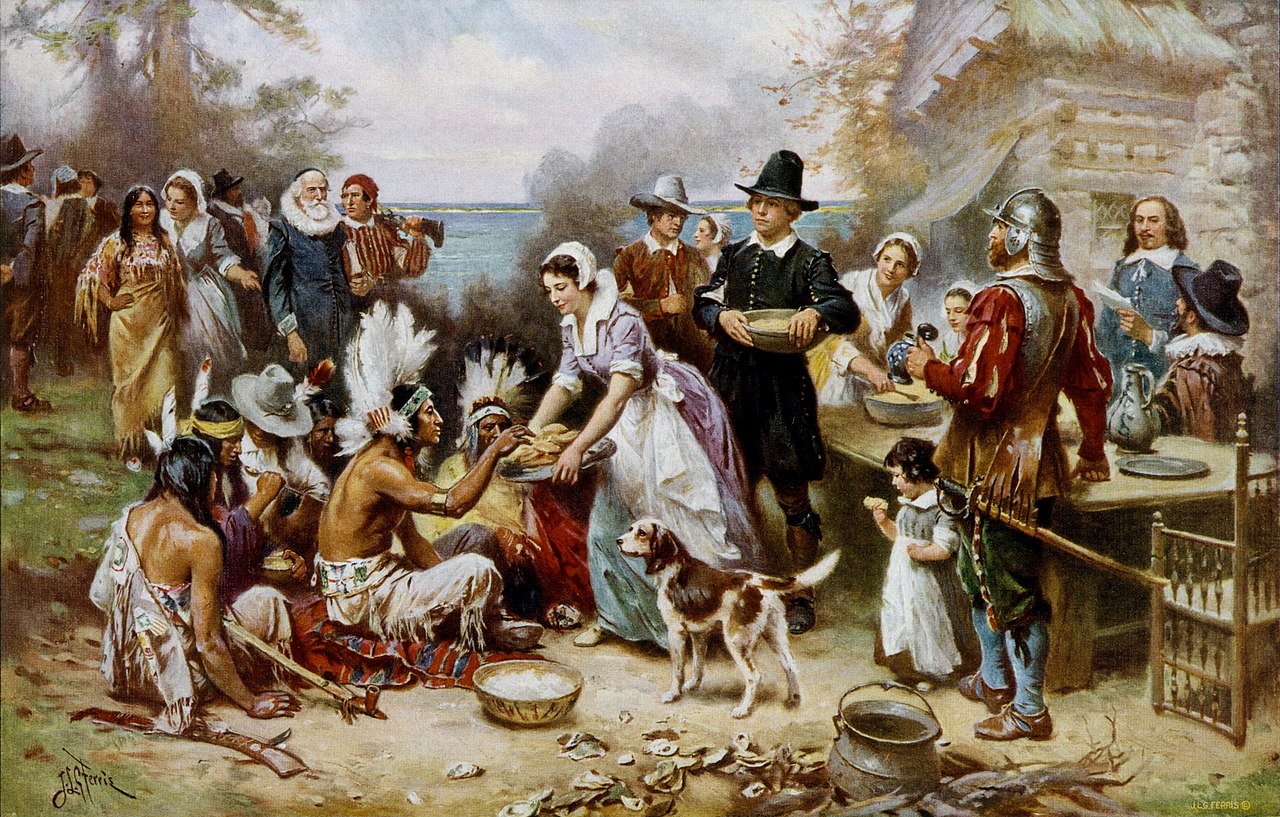


Training and influences
Raised in Philadelphia in an artistically engaged family, Ferris received formal training in the United States before spending time in Europe. He studied academic techniques that emphasized careful draftsmanship and staged composition, and he adopted aspects of the academic realism promoted by his teachers. His name reflects the influence of the French academic painter Jean-Léon Gérôme, whose methods and compositional clarity left a visible mark on Ferris’s approach.
Style and subjects
Ferris worked in a representational mode with clear figuration and narrative clarity. His canvases are characterized by carefully arranged groups, period costumes, and props intended to signal a specific event or era. Common subjects included colonial life, Revolutionary War scenes, frontier encounters, civic milestones, and domestic vignettes. The paintings favor drama and storytelling over strict archival accuracy, producing images that read easily to viewers as historical moments.
The Pageant of a Nation
Ferris’s best-known effort, advertised as a unified pageant, comprised many individual paintings that together aimed to tell the story of American beginnings and growth. The images were widely reproduced in prints, calendars, and illustrated magazines, helping to popularize particular visual versions of national memory. While the series brought Ferris commercial success and broad recognition, it also became a target for later critics who pointed out romanticized or anachronistic elements.
Reception and legacy
During his lifetime Ferris enjoyed public popularity because his scenes were accessible and emotionally appealing. His work has been used by teachers and publishers to visualize history for general audiences. Art historians and historians of memory have since debated the value of such images: they are important as documents of how Americans imagined their past, even when they are not always reliable as factual reconstructions. Ferris’s paintings remain of interest to museums, collectors, and scholars exploring visual culture and national identity.
Notable facts: Ferris signed his work using the name that acknowledged his academic influence, and his series continues to be cited in discussions of historical illustration and popular memory. For more on Ferris’s life and images, see contemporary resources and visual archives that collect reproductions and commentary about his work. For a general overview of his career and body of work, consult biographical summaries and art-historical surveys on the subject of American historical painting and illustration. Further reading on Ferris as a painter.
Related articles
Author
AlegsaOnline.com Jean Leon Gerome Ferris (1863–1930) Leandro Alegsa
URL: https://en.alegsaonline.com/art/121695
Sources
- sgipt.org : "J.L.G. Ferris (1863-1930)"
- antiqueshoppefl.com : "J. L. G. Ferris"