
Jean-Philippe Rameau
French Baroque composer and theorist (1683–1764), best known for harpsichord works, operas such as Hippolyte et Aricie, and his influential Treatise on Harmony.
Overview
Jean-Philippe Rameau (born in Dijon in 1683; baptized 25 September 1683; died in Paris, 12 September 1764) was a leading French musician of the Baroque era. He gained recognition both as a virtuoso keyboard player and as a prolific composer, but his lasting fame rests on a dual legacy: important works for the harpsichord and a series of operas that reshaped French stage music. He is equally remembered for his theoretical writings, which helped formalize modern ideas about harmony.
Image gallery
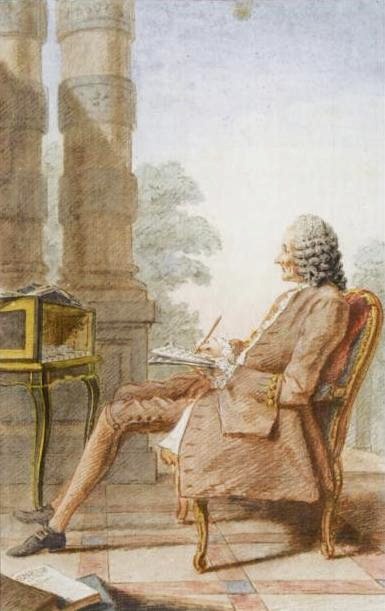
6 Images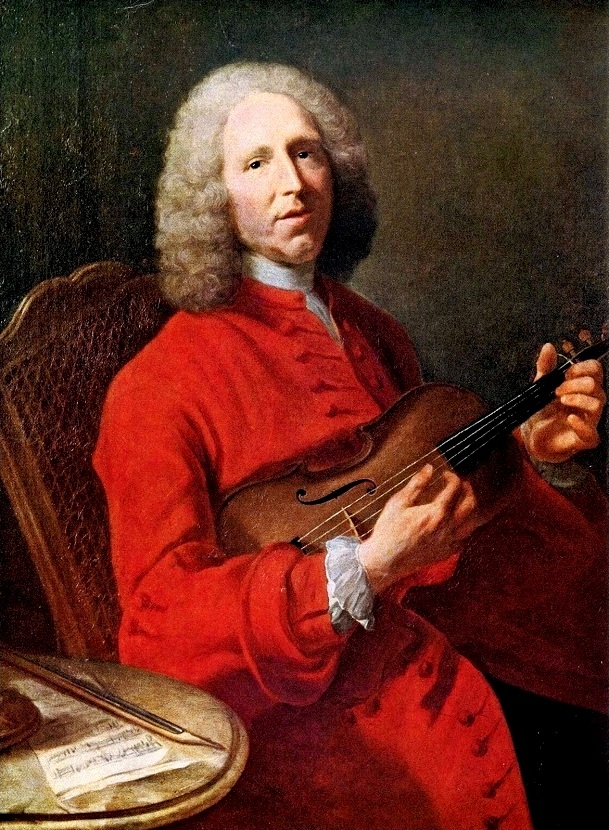


Musical characteristics and notable works
Rameau’s style combines contrapuntal skill with a strong sense of harmonic progression. His keyboard pieces explore dance forms, ornamentation and technical brilliance, reflecting his mastery as a harpsichordist. His dramatic output includes large-scale tragédies en musique and lighter, one-act works. Notable titles include:
- Hippolyte et Aricie (1733) — his first major opera that announced him as an operatic innovator;
- Castor et Pollux — admired for its expressive depth and orchestral writing;
- Dardanus — notable for its dramatic intensity;
- Pygmalion — a one-act work said to have been composed in eight days.
Theorist and influence
Beyond composition, Rameau transformed music theory. His Traité de l'harmonie (Treatise on Harmony, 1722) codified the primacy of the chord and functional relationships between harmonies, ideas that anticipated later tonal theory. These writings made him a central figure in debates about musical practice and pedagogy across Europe, and they influenced composers and teachers for generations.
Career and reception
Rameau spent early years as an organist and harpsichord teacher in provincial posts before establishing himself in Paris. His operatic debut provoked both admiration and controversy—partly because he introduced new harmonic colors and orchestral effects into a tradition long dominated by Lully’s models. Over time his innovations became widely accepted and deeply influential.
Legacy and distinctions
Today Rameau is regarded as one of the principal French composers of the Baroque, celebrated for the elegance and inventiveness of his harpsichord music and for reshaping French operas. His role as a theorist also secures him a place in the history of Western music theory. Modern performances and recordings continue to revive his stage works and keyboard repertoire, while scholars study his scores and treatises to understand 18th‑century harmonic thought.
For further reading on his life and works, consult entries by music dictionaries and specialized studies by scholars of Baroque music and harmony; many such sources outline both the biographical timeline and the technical innovations for which Rameau is remembered. See also resources on the role of the French composer in the Baroque period and on historical performance of the harpsichord.
Related articles
Author
AlegsaOnline.com Jean-Philippe Rameau Leandro Alegsa
URL: https://en.alegsaonline.com/art/121658