
Bléquin — small commune in Pas-de-Calais, northern France
Bléquin is a small rural commune in the Pas-de-Calais department of northern France, with agricultural landscape, local heritage, municipal life and connections to the broader Nord‑Pas‑de‑Calais/Hauts‑de‑France region.
Overview
Bléquin is a small French commune situated in the historic province of Artois in the Pas‑de‑Calais area. It is part of the territory formerly grouped under the Nord‑Pas‑de‑Calais region, now included in the administrative region commonly referred to as Hauts‑de‑France. The village exemplifies the many rural communities that dot northern France, combining agricultural land with a compact village centre.
Image gallery
1 Image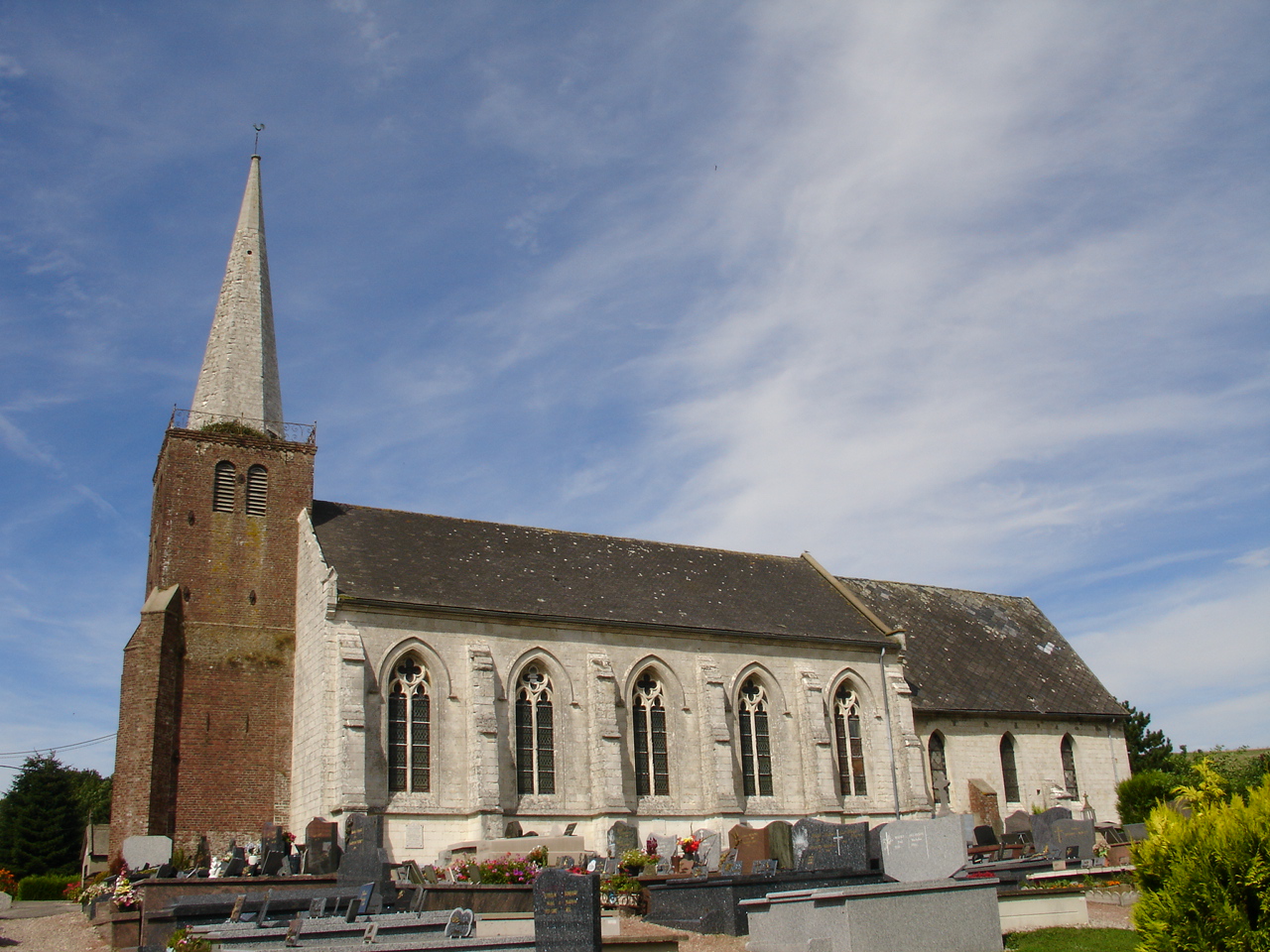
Geography and landscape
The commune lies within the rolling fields and hedgerows typical of the Pas‑de‑Calais countryside. Small farms, pastures and occasional woodland patches shape the local scenery. Proximity to larger towns gives residents access to regional services while the immediate environment remains predominantly agricultural.
History and development
Like many settlements in this part of France, Bléquin has roots that go back centuries as a rural parish and farming community. The broader Pas‑de‑Calais area experienced social and economic change through agricultural modernization and the impact of 19th‑ and 20th‑century events; many villages preserve traces of that history in church buildings and war memorials.
Administration, economy and community life
Administratively the village belongs to the Pas‑de‑Calais department and functions under the typical French communal system with a mayor and municipal council (department level authorities handle broader services). The local economy is mainly agricultural, supplemented by small trades, local services and commuting to nearby towns. Community life often centres on the village hall, church and seasonal events.
Landmarks and transport
- Historic parish church and village square, common focal points of local heritage.
- Rural lanes and minor roads connecting to regional routes; public transport links are limited, so private cars are commonly used.
- Nearby towns provide markets, schools and health services that serve the commune.
For readers seeking official information or visiting guidance, municipal pages and regional resources provide practical details and contact points. Further contextual background can be found via regional portals and departmental guides that document the small communes of northern France.
Related articles
Author
AlegsaOnline.com Bléquin — small commune in Pas-de-Calais, northern France Leandro Alegsa
URL: https://en.alegsaonline.com/art/12162