
Blésignac — commune in Gironde, southwestern France
Blésignac is a small rural commune in the Gironde department of Nouvelle-Aquitaine, southwestern France. Article covers location, administration, history, economy and notable features.
Overview
Blésignac is a small French commune located in the Gironde department in the southwest of the country. Historically part of the province called Aquitaine, the area now falls within the administrative region of Nouvelle-Aquitaine. As with other communes in France, Blésignac functions as the lowest level of territorial administration and typically includes a village core and surrounding farmland. For administrative references see the commune entry here and the regional page here.
Image gallery
1 Image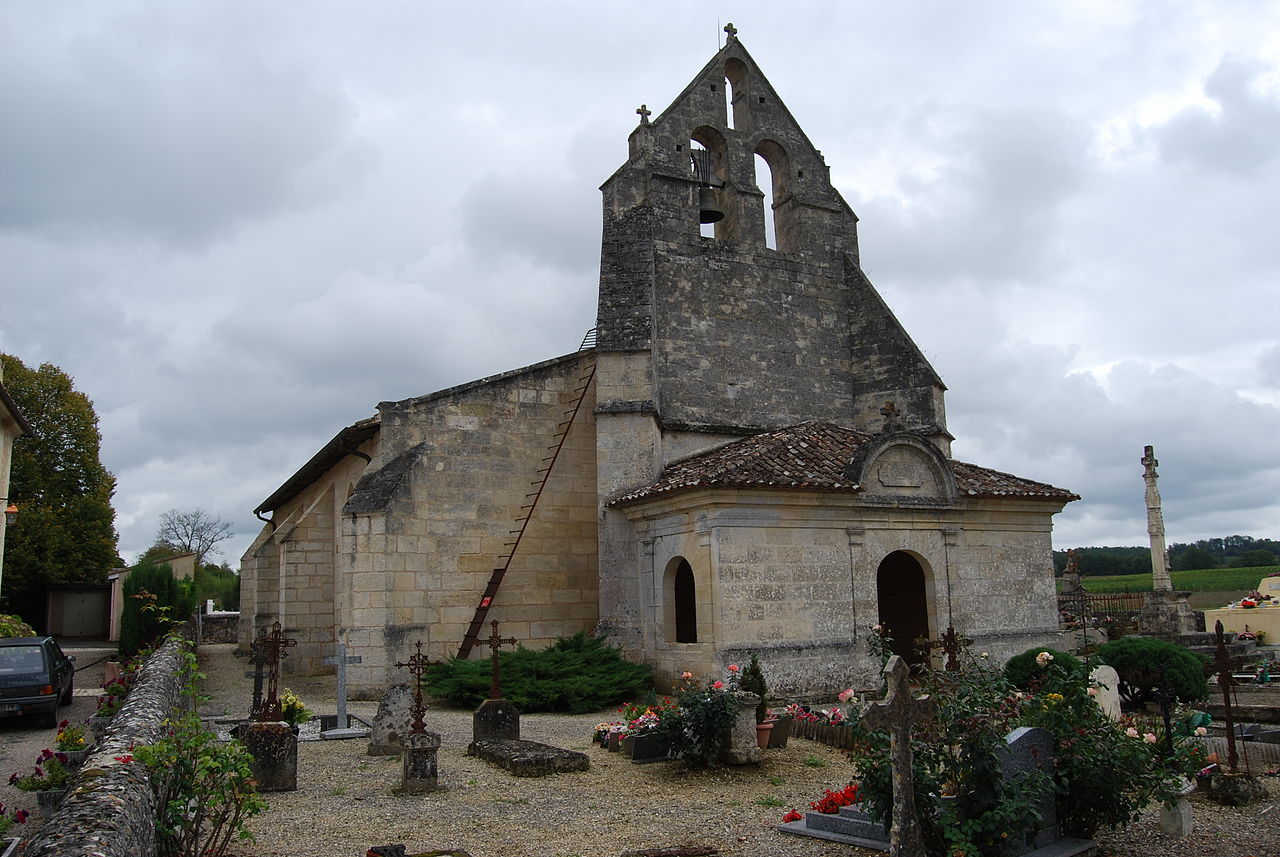
Geography and administration
The commune lies within the boundaries of Gironde, a department known for its varied landscapes, which range from coastal areas to inland agricultural plains. Gironde is itself part of the broader historic region of Aquitaine and the modern administrative region often referenced on departmental resources here. Local governance follows the French communal model: an elected municipal council and mayor administer everyday services, planning and communal facilities often based at the town hall or mairie. The department-level context is available via departmental information.
History and development
The history of Blésignac mirrors that of many small rural settlements in southwest France: origins in the medieval period as agricultural hamlets, gradual changes through the early modern era, and integration into the national administrative framework after the Revolution. The cultural landscape reflects long-standing land use patterns and local architecture derived from regional styles. Broader French and regional histories provide context for demographic and economic shifts; national overviews are available here.
Economy, land use and local life
Land around Blésignac is primarily agricultural. In Gironde and the surrounding parts of Nouvelle-Aquitaine, agriculture commonly includes cereals, mixed farming and viticulture in areas suited to vines; small communes often combine family farms, woodland and pasture. Local life centers on communal facilities, seasonal events and nearby market towns. Residents typically rely on a mix of local employment, commuting to nearby urban centers, and small-scale rural enterprises.
Notable features and visiting
Visitors to small communes like Blésignac can expect a compact village centre, traditional houses, a parish church or chapel and a mairie. The surrounding countryside offers walking, cycling and opportunities to explore regional food and wine traditions. Practical information and points of interest are usually listed by departmental or regional tourist offices and municipal notices available through the links above.
Distinctions and further reading
- Typical administrative status: French commune with municipal council.
- Regional identity: part of the historic Aquitaine area and modern Nouvelle-Aquitaine administration.
- Land use: predominantly rural and agricultural, with possible viticultural influence in the wider Gironde department.
Related articles
Author
AlegsaOnline.com Blésignac — commune in Gironde, southwestern France Leandro Alegsa
URL: https://en.alegsaonline.com/art/12164