
Janez Drnovšek: Slovenian statesman, reformer, and later humanitarian voice
Overview of Janez Drnovšek (1950–2008), his roles in Yugoslavia and independent Slovenia, political career, policies, later life and legacy.
Overview
Janez Drnovšek (17 May 1950 – 23 February 2008) was a prominent Slovenian politician who played central roles during the final years of Yugoslavia and in the early decades of independent Slovenia. A liberal politician by orientation, he held top offices at different stages: he was President of the Presidency of Yugoslavia in 1989–1990, served as Prime Minister of Slovenia in the 1990s and early 2000s, and was President of Slovenia during the first half of the 2000s. Readers can find contemporary profiles and party context through resources linked to his background and political affiliations: party and political roots and biographical summaries.
Image gallery
7 Images
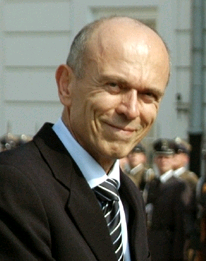


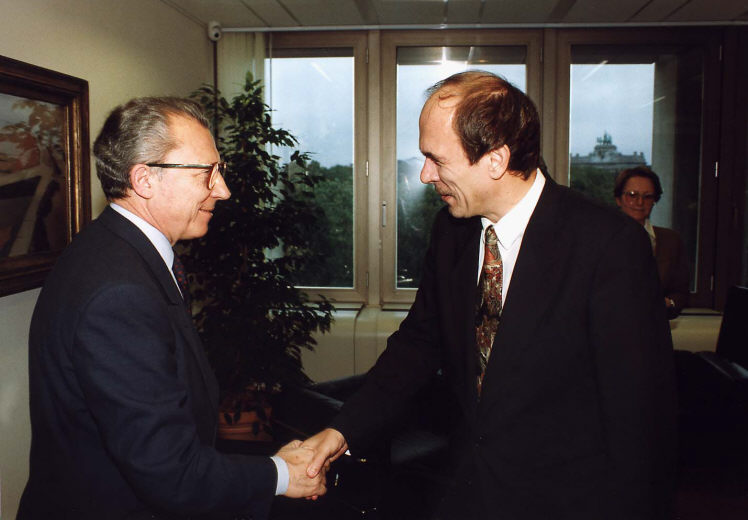
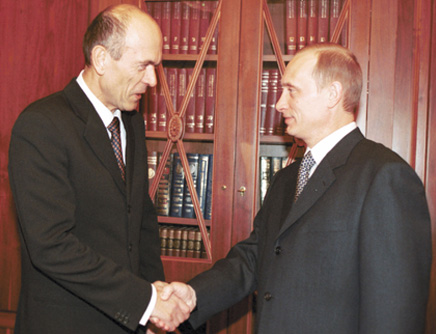
Political career and offices
Drnovšek's public life spanned dramatic transitions in Central and Southeastern Europe. He presided over the collective Yugoslav presidency at a time of rising national tensions, an experience that preceded his central role in the politics of an independent Slovenia. Elected repeatedly to lead Slovenian national governments, he was Prime Minister for roughly a decade and later served a five-year term as President of Slovenia. For concise lists of his official posts see chronology of offices, prime ministerial record and presidential tenure.
Policies, priorities and impact
As a national leader in the 1990s and early 2000s, Drnovšek guided Slovenia through economic and institutional reforms associated with transition from a socialist system toward a market economy and European integration. His governments pursued privatization, regulatory changes and policies designed to stabilise public finances while preparing Slovenia for membership in European and transatlantic organisations. Supporters credit his administrations with helping to consolidate democratic institutions and with steadying the country’s international orientation; critics pointed to the uneven social effects of rapid economic change and to debates over privatization choices.
Later life, public persona and legacy
After leaving high office Drnovšek's public profile shifted toward social, humanitarian and spiritual concerns. He spoke and wrote about ethical questions, simplicity and solidarity, and he promoted initiatives aimed at social justice and development. His later years were marked by a personal transformation that attracted public attention and discussion. He died in 2008; assessments of his legacy emphasize his role in navigating Slovenia through independence and integration into European structures, alongside his later advocacy for moral and humanitarian issues.
Notable facts and context
- He was one of the last politicians to hold the collective Yugoslav presidency before the federation's dissolution.
- During his decade-long premiership, Slovenia moved toward membership in major European institutions.
- His shift from mainstream party politics to an outspoken, humanitarian public voice is frequently highlighted in retrospectives.
For further reading on Drnovšek’s life, policies and the wider historical context of Slovenia’s transition, consult the linked resources above and general histories of post‑Cold War Central Europe.
Related articles
Author
AlegsaOnline.com Janez Drnovšek: Slovenian statesman, reformer, and later humanitarian voice Leandro Alegsa
URL: https://en.alegsaonline.com/art/121427
Sources
- bos.zrc-sazu.si : "Slovenski pravopis 2001: Janez"
- bos.zrc-sazu.si : "Slovenski pravopis 2001: Drnovšek"