
President of the Presidency of Yugoslavia
Collective head of state office in the Socialist Federal Republic of Yugoslavia from Tito’s death in 1980 until the country’s breakup in the early 1990s; a rotating chairmanship among republics and provinces.
Overview
The title President of the Presidency of the Socialist Federal Republic of Yugoslavia designated the chair of a collective head-of-state body that succeeded Josip Broz Tito after his death on 4 May 1980. Under the 1974 constitution the republic created a multi-member Presidency to share and rotate the functions previously concentrated in a single, long-serving leader. The arrangement was intended to balance the interests of Yugoslavia’s constituent republics and autonomous provinces.
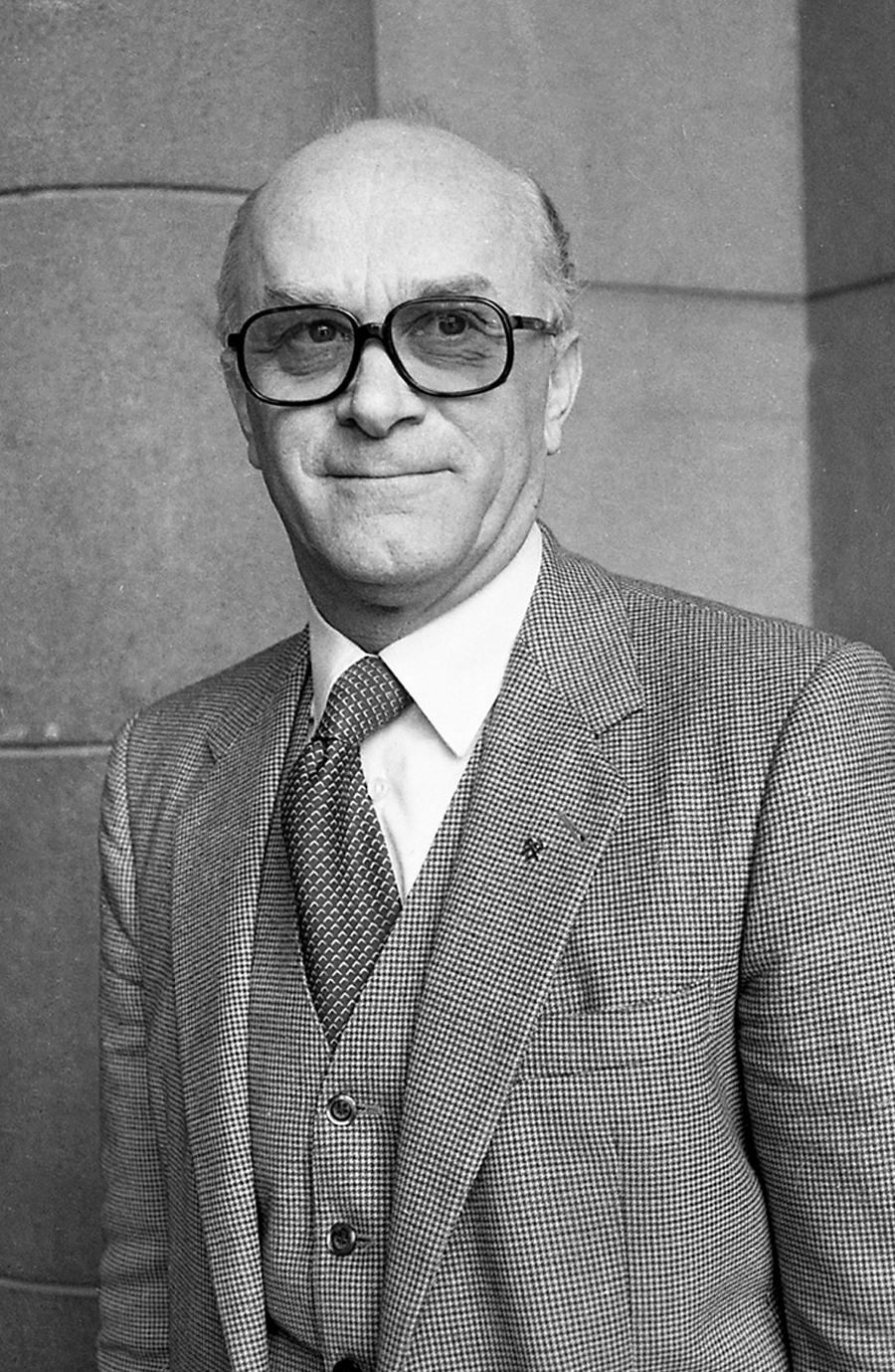
Image gallery
10 Images




Composition and duties
The collective Presidency brought together representatives of each republic and of the autonomous provinces. The office of its president rotated, typically for one-year terms, so that no single republican delegation permanently led the federation. In practice the president chaired meetings, acted as the formal head of state in external affairs and protocol, and attempted to coordinate policy among member republics.
History and development
The 1974 constitutional reforms established collective leadership but left Tito with special powers and the title President for life until 1980. After his death the rotating presidency became the federation’s primary head-of-state mechanism and operated through the economically and politically troubled 1980s. The system emphasized collective decision-making but often produced stalemate when republics disagreed.
Role in the breakup and legacy
As nationalist tensions and demands for sovereignty grew, the Presidency’s rotating and consensus-driven structure struggled to manage competing secessionist claims. By 1991–1992 the republics were declaring independence and the SFRY dissolved; the office ceased to function in its original form. Its legacy is widely discussed as an experiment in plural leadership that ultimately proved unable to contain centrifugal forces. See more on the institution and its context via the Presidency and on the preceding lifelong president Josip Broz Tito.
Author
AlegsaOnline.com President of the Presidency of Yugoslavia Leandro Alegsa
URL: https://en.alegsaonline.com/art/144440