
James II of Scotland
King of Scotland from 1437 to 1460. Succeeded his father as a child, struggled with powerful nobles, promoted artillery in warfare and died during the siege of Roxburgh.
James II (born 16 October 1430) became King of Scotland as a child after the murder of his father, and his reign (1437–1460) is marked by a long regency, efforts to increase royal authority, and a violent death during a siege. His early accession left the crown dependent on powerful magnates and regents before he asserted personal rule.
Image gallery
3 Images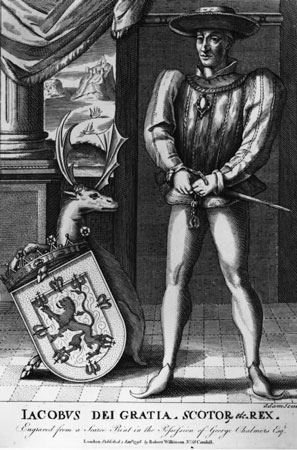

Early life and accession
James was born at a royal residence in Edinburgh and was crowned soon after his father's assassination. As a boy-king he lived under the supervision of leading noble families and guardians whose rivalries shaped Scottish politics for decades. Contemporary sources note his coronation not long after he succeeded, and that his youth compelled a sequence of regencies and agreements that constrained the monarchy until he matured and took control.
Struggle with the nobility
Once James assumed active power he sought to curb the influence of powerful families, most famously the Black Douglases. Tensions between the crown and great magnates erupted into armed conflict and political purges. A dramatic rupture with the leading Douglas line removed a major threat to royal authority, although it also deepened factionalism across Scotland and required ongoing military and diplomatic effort.
Military innovation and foreign affairs
James's reign saw increased use of gunpowder artillery in Scottish warfare and fortification projects. He invested in bombard and siege technology to reduce reliance on feudal levies and to make the crown more effective against fortified strongholds. On the international stage Scotland remained involved in the complex border politics with England and in continental alliances that affected trade and security.
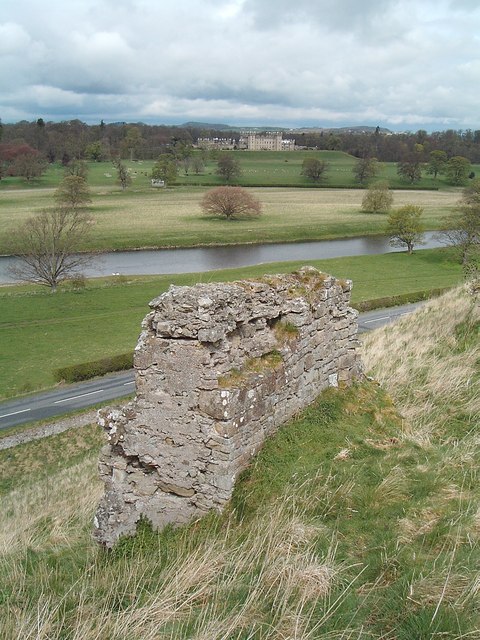
James II died unexpectedly in 1460 during operations at an English-held border fortress. Accounts attribute his death to an explosion or accident involving artillery during a siege, an event that abruptly transferred authority to his heir and prompted a new regency under his widow. His death underscored both the rising importance and the danger of gunpowder weapons in mid-15th-century warfare.
Historically James II is remembered for strengthening the central monarchy, diminishing certain magnate powers, and beginning a military transition toward artillery-based sieges. His measures shaped the balance of power in late medieval Scotland and set precedents that influenced his successors.
Related articles
Author
AlegsaOnline.com James II of Scotland Leandro Alegsa
URL: https://en.alegsaonline.com/art/121315