
Year 1437
An overview of the year 1437 in the late Middle Ages: major political changes, notable deaths, cultural context and the broader significance in European and global history.
Overview
1437 was a year in the late Middle Ages marked by dynastic change and continued social, political and cultural transitions. It falls within a period often described as the early Renaissance in Italy and a time of consolidation and conflict across Europe. Maritime exploration along the Atlantic coast continued, and long-running regional conflicts and power struggles shaped succession and governance in several kingdoms.
Image gallery
2 Images
Political changes and successions
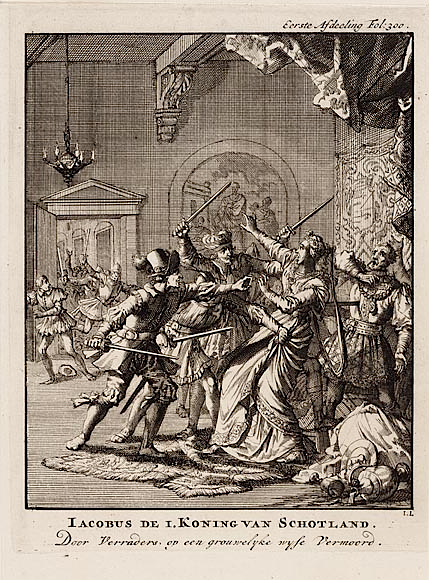
The year is notable for high-profile deaths among European rulers that triggered succession issues and shifts in influence. The passing of a long-serving Holy Roman Emperor ended an era in Central Europe and altered the balance among principalities and kingdoms. In the British Isles, the assassination of a Scottish monarch led to the accession of his young son, initiating a regency and a period of noble factionalism.
Notable events
- Assassination of the Scottish king, after which his heir—still a child—became monarch and a regency government was established.
- Death of the Holy Roman Emperor, bringing to a close his long involvement in Central European politics, Hungary and Bohemia and precipitating negotiations over succession.
- Ongoing regional conflicts and diplomatic maneuvering across the Iberian Peninsula, France, and the Holy Roman Empire.
Cultural and economic context
Across Europe the visual arts, architecture and learning were energized by renewed interest in classical models and humanist scholarship, trends later grouped under the term Renaissance. Trade continued to expand along established Mediterranean and northern European routes, while Portuguese-sponsored voyages along the West African coast advanced maritime knowledge and commercial contacts.
Significance and legacy
Although not a year defined by a single transformative event, 1437 illustrates how dynastic deaths and successions could reshape regional politics and open space for new actors. The deaths of prominent rulers influenced diplomatic alignments, and the cultural currents of the period continued to lay groundwork for developments later in the fifteenth century, including changes in governance, warfare and intellectual life.
Related notes
The year should be read in the context of longer processes—the Hundred Years' War in France and England, religious and social tensions in Central Europe, Atlantic exploration by Iberian powers, and the steady spread of Renaissance ideas from Italy to other regions. These larger trends give 1437 its place in the transition from medieval to early modern Europe.
Related articles
Author
AlegsaOnline.com Year 1437 Leandro Alegsa
URL: https://en.alegsaonline.com/art/111356