
Blausasc — a commune in Alpes-Maritimes, Provence-Alpes-Côte d'Azur
Blausasc is a small French commune in the Alpes-Maritimes department, noted for its hilltop village character, rural landscape and proximity to Nice in Provence‑Alpes‑Côte d'Azur.
Overview
Blausasc is a small commune located in the Provence-Alpes-Côte d'Azur region of southeastern France. Administratively it belongs to the Alpes-Maritimes area and is part of the wider department network that serves the south of France. The settlement functions as a local municipal unit and is one of many small villages that form the hinterland of the Mediterranean coast.
Image gallery
1 Image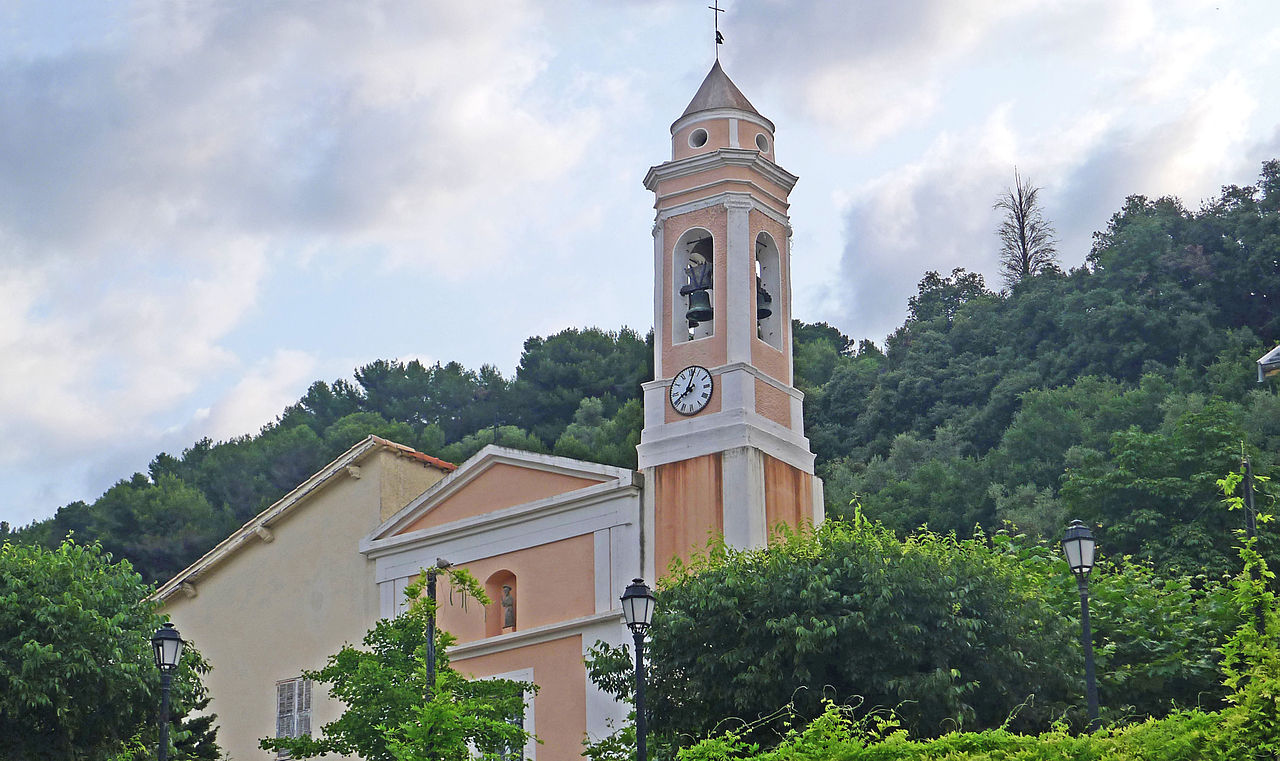
Geography and environment
Set on hills overlooking lower valleys, Blausasc combines Mediterranean influences with inland relief. The surrounding landscape features mixed woodland, terraced slopes and small agricultural plots. The village layout — narrow lanes, stone houses and elevated viewpoints — reflects adaptation to steep terrain and a climate that alternates warm, dry summers with cooler, wetter periods at higher elevation.
History and character
The origins of Blausasc are medieval in character: like many Provençal villages it grew around a village core and agricultural land. Its name and early development are tied to regional linguistic and feudal histories. Surviving architecture and street patterns evoke a traditional rural past, though much of daily life has modernized over the twentieth and twenty-first centuries.
Administration, population and economy
Blausasc is governed by a municipal council and mayor, as is typical for French communes. It has a small, mostly residential population. Local economic activity combines small-scale farming, artisanal trades and services; many residents also commute to nearby towns and the city of Nice for work and education.
Points of interest and local life
- Historic village core with narrow lanes and traditional houses.
- Local chapel or parish buildings that serve communal life.
- Scenic viewpoints offering views toward the coastal plain and surrounding hills.
- Seasonal markets, community events and rural festivals that reflect local culture.
Transport and visitor information
Access to Blausasc is by departmental roads that link the commune with nearby towns and the coastal motorway corridor. Public transport is limited in rural communes, so private car travel is common for residents and visitors. The village is often visited by people exploring the interior landscapes of Provence-Alpes-Côte d'Azur and those seeking a quieter contrast to the nearby coast.
Related articles
Author
AlegsaOnline.com Blausasc — a commune in Alpes-Maritimes, Provence-Alpes-Côte d'Azur Leandro Alegsa
URL: https://en.alegsaonline.com/art/12120