
Isaias Afwerki
Eritrean political leader who led the independence movement and has served as the country's first and only president since independence in 1993; a polarizing figure for nation-building and governance.
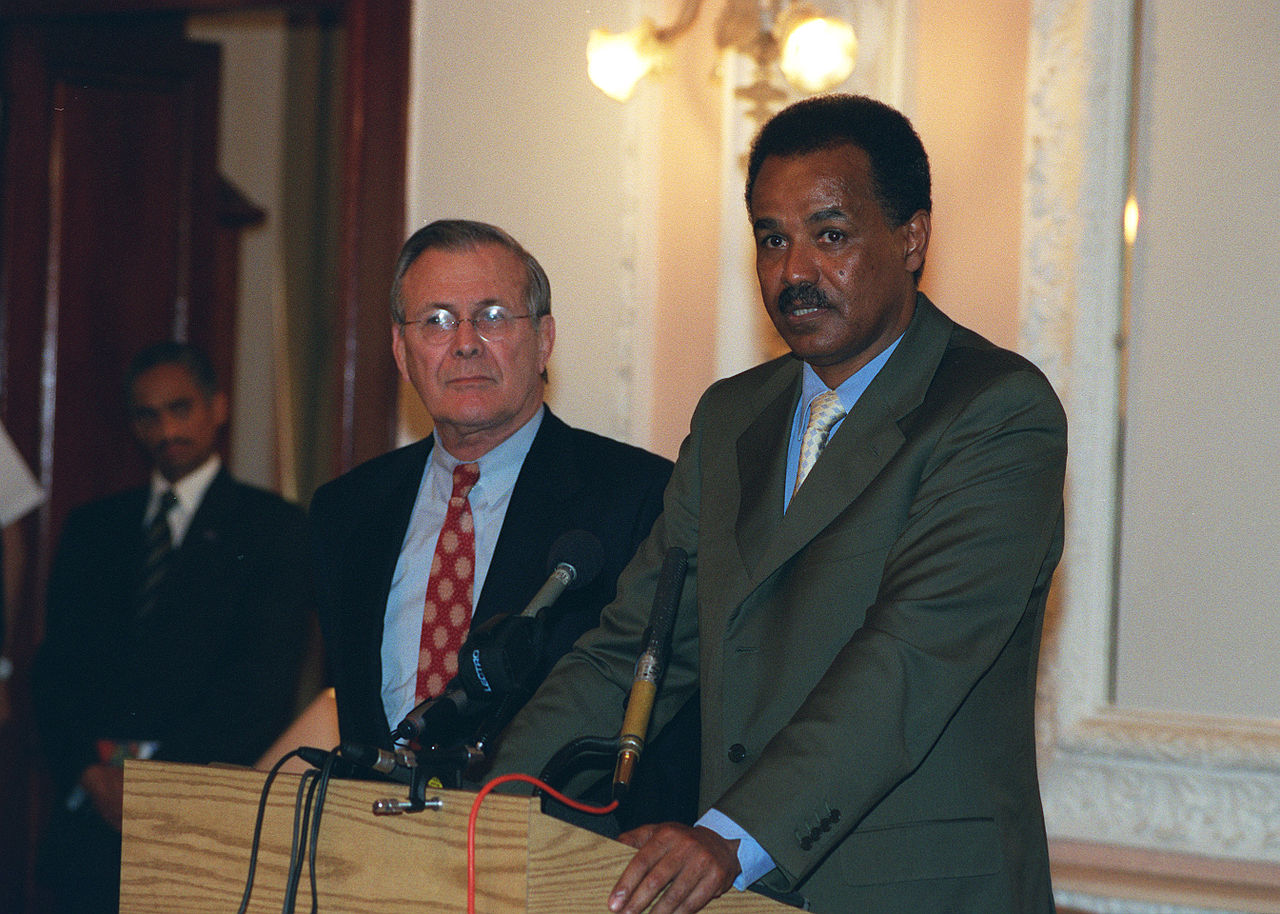
Isaias Afwerki (born 1946) is an Eritrean political leader who played a central role in his country's struggle for independence and has served as its first and only President since 1993. He emerged as a founding leader of the liberation movement and guided the transition from armed struggle to statehood.
Image gallery
10 Images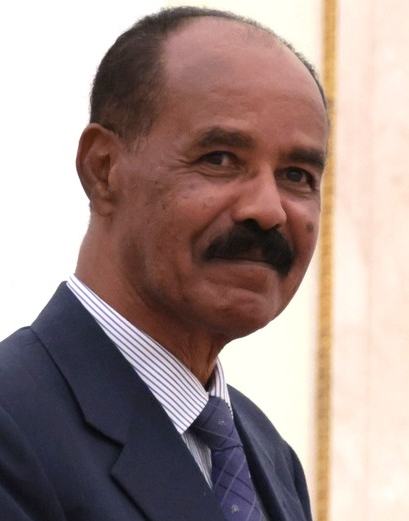




Early role and rise to power
Afwerki became prominent as a senior leader of the Eritrean People's Liberation Front (EPLF), the organization that fought for secession from Ethiopia. During the decades of conflict he helped build military, administrative and social structures that later formed the core of the independent state's governance. After de facto independence was achieved, he led the movement into political leadership of the new nation.
Presidency and governance
Since independence, Afwerki has consolidated executive authority and overseen state institutions. Eritrea established a single-party political system with the former liberation front as the dominant force. A constitution was drafted and endorsed in the 1990s but its full implementation and the holding of national elections have been repeatedly delayed, a persistent point of debate among observers.
Policies, economy and society
His government prioritized national reconstruction, infrastructure and services after years of conflict. A defining and controversial policy has been a system of national service with extended conscription that many governments and international organizations describe as indefinite; this has had major social and economic effects and contributed to waves of migration.
Foreign relations and conflicts
Under Afwerki Eritrea’s regional relations have been shaped by war and diplomacy. Tensions and a major border conflict with neighboring Ethiopia marked the late 1990s and early 2000s; later diplomatic shifts led to rapprochement and negotiations, altering regional dynamics. Eritrea's foreign policy has often emphasized sovereignty and strategic independence.
Criticism and legacy
- Human rights groups and international observers have widely criticized the government for restrictions on political pluralism, press freedom and religious activity.
- Reports from rights organizations cite arbitrary detention and limitations on civil liberties; these concerns remain central to international discussions about the country.
- Supporters credit Afwerki with securing independence and creating institutions from a liberation movement; critics argue that the concentration of power has stifled democratic development.
Isaias Afwerki remains a highly consequential and contested figure in Horn of Africa politics. His stewardship shaped the trajectory of modern Eritrea, and debates about governance, rights and development continue to define assessments of his tenure.
Related articles
Author
AlegsaOnline.com Isaias Afwerki Leandro Alegsa
URL: https://en.alegsaonline.com/art/120996
Sources
- madote.com : "Isaias Afwerki's Biography"