
Ishenbai Kadyrbekov — Kyrgyz politician and 2005 interim leader
Kyrgyz politician Ishenbai Kadyrbekov (born 16 July 1949), speaker of the Legislative Assembly who briefly served as interim president during the 2005 Kyrgyz political transition.
Ishenbai Duyshonbiyevich Kadyrbekov (born 16 July 1949) is a Kyrgyzstani politician best known for his role as speaker of the national parliament and for briefly assuming the functions of head of state during the political upheaval of March 2005. His name appears in Kyrgyz as Ишенбай Дүйшөнбиевич Кадырбеков, reflecting common transliteration variants used in English-language sources.
Image gallery
1 Image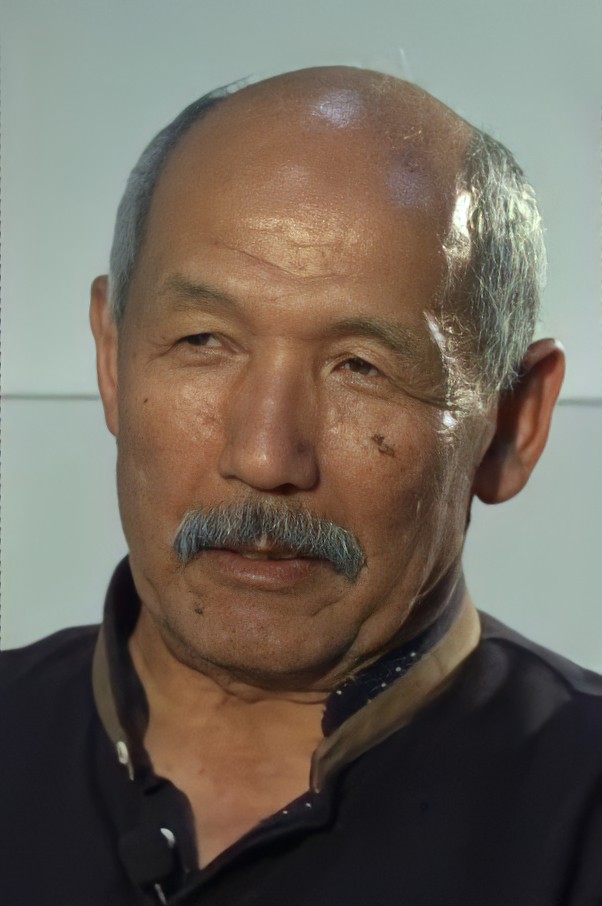
Political career
Kadyrbekov served as Chairman (Speaker) of the Legislative Assembly of Kyrgyzstan, the lower house of the then-bicameral legislature. In that capacity he was a senior parliamentary figure and part of the constitutional hierarchy for succession. During the mass protests and leadership crisis of March 2005 he was selected by parliamentary authorities to serve as an interim head of state for a short, transitional period while political actors negotiated a transfer of power. His interim role is usually described in contemporary accounts as temporary and part of the broader 2005 transition commonly called the Tulip Revolution.
Context and significance
The brief elevation of the parliamentary speaker to acting presidential functions took place amid popular demonstrations, the flight or removal of the incumbent administration, and a shifting balance between political factions. That sequence highlighted the importance of parliamentary institutions in moments of constitutional uncertainty. Kadyrbekov's interim status was one element in a multi-step transition that involved other political leaders, security forces and regional actors.
Notable facts and assessment
- Born 16 July 1949; career centered in Kyrgyz national politics.
- Held the post of Chairman of the Legislative Assembly, a key legislative leadership role.
- Briefly served as interim president during the March 2005 crisis, a transitional appointment rather than a long-term administration.
- Associated historically with the events of the 2005 political transition, which remain a reference point in modern Kyrgyz politics.
Kadyrbekov is commonly mentioned in summaries of the 2005 events as an example of how constitutional offices and parliamentary procedures can be used to manage sudden power vacuums. For readers seeking primary documents or contemporaneous reporting, consult dedicated accounts of Kyrgyzstan's 2005 political changes and institutional histories of the country's legislature.
Related articles
Author
AlegsaOnline.com Ishenbai Kadyrbekov — Kyrgyz politician and 2005 interim leader Leandro Alegsa
URL: https://en.alegsaonline.com/art/120999
Sources
- nytimes.com : "New leader tries to end rivalry in Kyrgyzstan"
- rte.ie : "Kyrgyz parliament names acting head"